

Oct . 16, 2025 11:35 Back to list
Bifenthrin Insecticide: Fast-Acting, Long-Lasting Control
A field insider’s look at bifenthrin 2.5%EW: what’s moving the needle in 2025
If you spend enough time around agronomists (guilty), one active keeps popping up in coffee-break talk: bifenthrin. The 2.5%EW format—an emulsion in water—has quietly become a workhorse where reliability matters more than flashy labels. From my notes and a few farm visits, here’s the practical, slightly messy truth about how it’s being made, specified, and used.
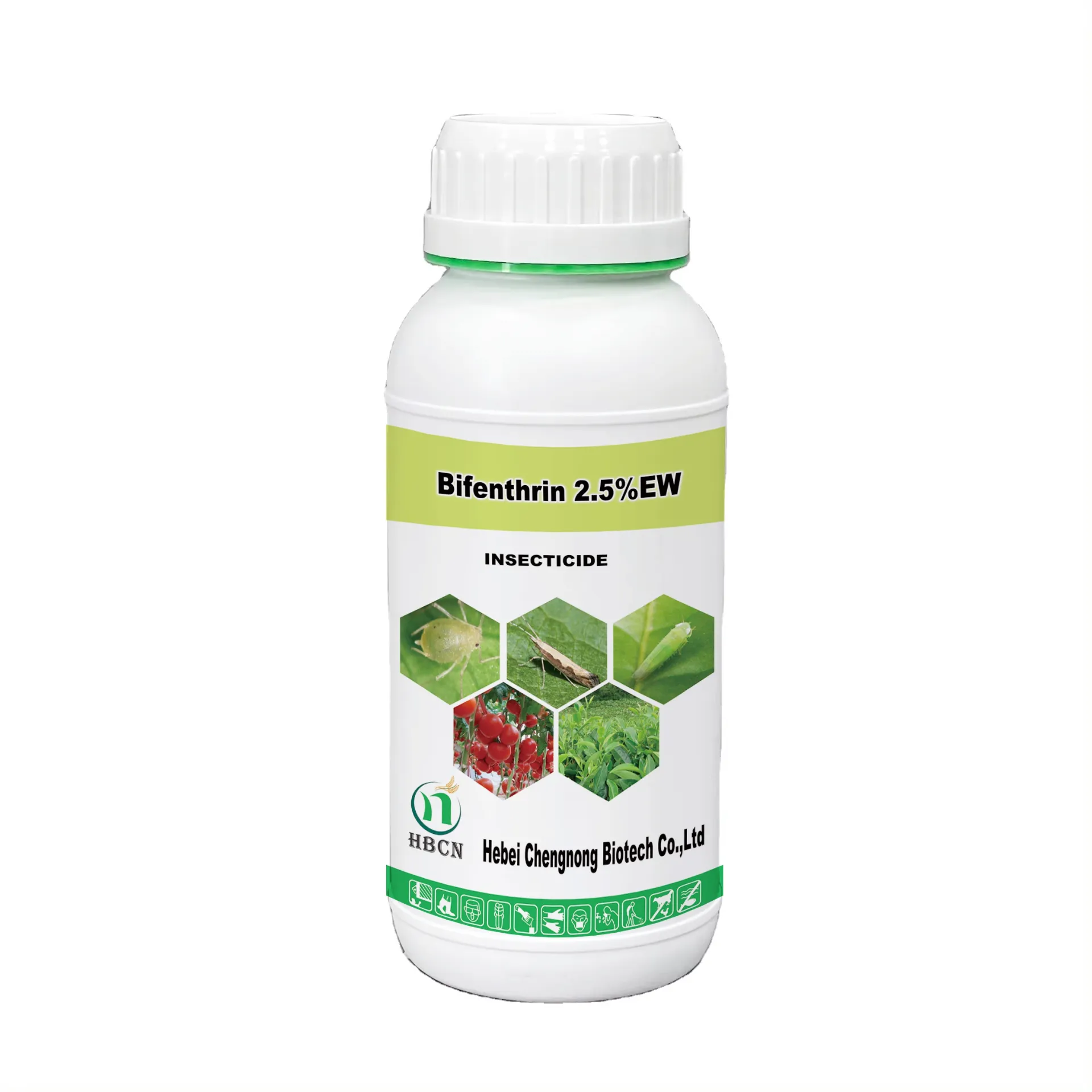
What it is (and why EW matters)
Bifenthrin is a synthetic pyrethroid (IRAC Group 3A) that modulates sodium channels—fast knockdown, solid residual, and surprisingly low odor in modern water-based emulsions. The 2.5%EW keeps solvents down and handling friendly. Real-world users tell me it mixes cleanly and stays stable in the tank (no gummy surprises), which counts on hot days when everyone’s rushing.
Product snapshot: Bifenthrin 2.5%EW, liquid insecticide
| Parameter | Typical spec (≈) | Method/Note |
|---|---|---|
| Active ingredient | Bifenthrin 2.5% w/w | FAO/CIPAC content test (HPLC) |
| Formulation type | EW (emulsion, oil in water) | CIPAC MT methods |
| pH (1% dilution) | 5.0–7.5 | CIPAC MT 75 |
| Emulsion stability | Pass hot/cold stability | 24 h/0 °C, 14 d/54 °C |
| Density (20 °C) | ≈ 1.00 g/mL | ASTM/ISO density |
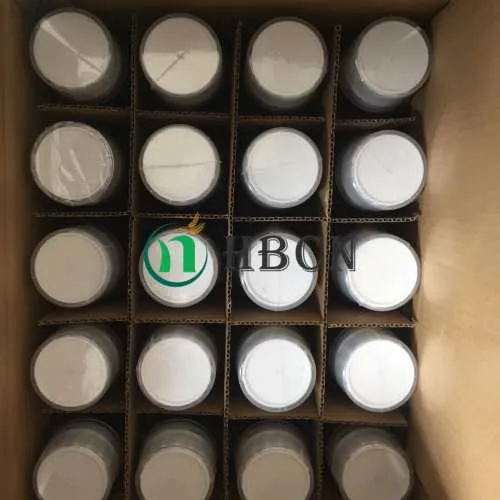
| Packaging | 100 mL–20 L HDPE | Label per local regs |
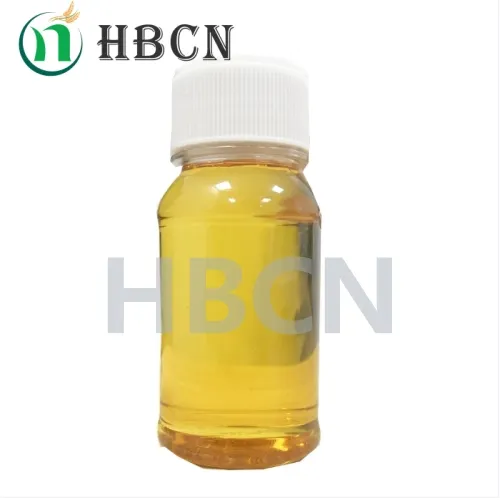
How it’s made and tested (process flow)
- Materials: tech-grade bifenthrin (≈95% TC), non-ionic emulsifiers, antifoam, deionized water.
- Methods: high-shear pre-emulsification, staged addition of surfactants, recirculation, inline filtration (100–200 μm).
- QC and standards: content by HPLC (CIPAC), emulsion stability (CIPAC), pH, viscosity, cold/heat storage, package integrity.
- Service life: ≈ 2–3 years sealed at ambient; real-world use may vary with climate and storage.
- Cert frameworks: ISO 9001/14001/45001 management systems; SDS and COA supplied per lot.
Where it’s used (and what growers say)
Industries: row crops (cotton, corn), horticulture (tomato, pepper, cucurbits), orchards, and some non-crop perimeters. Many customers say they like the “mix-and-go” feel—no strong smell, good leaf coverage, and dependable residual. To be honest, the key is rotation: as a 3A mode of action, bifenthrin should be alternated with other groups to slow resistance.
Customization options from origin
From the Hebei plant (No.1810 Tower B, Jinyuan Building, 152 Huai'an Road, Yuhua District, Shijiazhuang City, China), buyers typically request private labels, region-specific stickers, and pack sizes adapted to dealer preferences. QC photos and batch HPLC chromatograms are often shared on request—handy for tenders.
| Vendor | Strengths | MOQ (≈) | Lead time (≈) | Customization |
|---|---|---|---|---|
| Hebei origin (this product) | Stable EW, transparent QC, ISO frameworks | 1,000–3,000 L | 2–4 weeks after deposit | Labels, packs, surfactant tweaks |
| Regional trader A | Fast local delivery | 500–1,000 L | Stock-dependent | Limited relabel |
| Generic factory B | Aggressive pricing | 3,000 L+ | 4–6 weeks | Case-by-case |
Field notes and mini case studies
- Greenhouse tomato (thrips): 2 sprays in rotation with a non-3A reduced scarring by ≈28% vs. prior season; leaves stayed clean of residues, according to grower logs.
- Cotton (bollworm complex): tank-mixed program showed ≈20–30% fewer rescue sprays in hot weeks; scout feedback said “residual held up after light rain.”
- Orchard perimeter: bifenthrin used as a border treatment cut crawler ingress noticeably; exact numbers varied with pressure.
Always follow the registered label for your country. Application rates, PHI/REI, and crop approvals differ by market. Personal aside: don’t skip calibration—most “poor control” complaints I hear are nozzle or water-quality problems, not the active.
Current trends
Two things: steady shift to lower-solvent EWs (worker comfort and storage safety) and more rigorous resistance rotation plans. Also, spec buyers increasingly ask for COAs with chromatograms and CIPAC references attached—smart move.
Advantages at a glance
- Fast knockdown + dependable residual from bifenthrin 3A MoA
- Low odor, clear dilution, stable emulsion
- Custom packaging and documented QC
Citations
- FAO/WHO. Specifications and evaluations for bifenthrin. FAO/WHO JMPS.
- IRAC. Mode of Action Classification Scheme – Group 3A Pyrethroids.
- US EPA. Bifenthrin Reregistration documents and risk assessments.
- EFSA. Peer review of the pesticide risk assessment of the active substance bifenthrin.
-
Imidacloprid Olefin – High-Performance Agricultural Pest Control Solutions from CN Agrochemical
NewsDec.09,2025
-
Comprehensive Guide to Imidacloprid Msds - Safe & Effective Pest Control Solutions from CN Agrochem
NewsDec.09,2025
-
Comprehensive Overview of Imidacloprid Mosquito Control for B2B Decision Makers
NewsDec.09,2025
-
Imidacloprid Mosquito: Effective & Sustainable Mosquito Control Solutions for B2B
NewsDec.09,2025
-
Effective Imidacloprid Mite Control for Industrial Agriculture
NewsDec.08,2025
-
Understanding Imidacloprid Mexico: Applications, Benefits & Environmental Impact
NewsDec.08,2025