

Sep . 14, 2025 07:20 Back to list
Effective Cotton Selective Herbicide for Superior Weed Control
Industry Trends and the Imperative for Advanced Selective Herbicides in Cotton Cultivation
The global agricultural sector faces continuous pressure to enhance crop yields while minimizing environmental impact. In cotton cultivation, effective weed management is paramount, directly influencing productivity and profitability. Traditional weed control methods are increasingly challenged by herbicide resistance, evolving weed spectra, and stringent regulatory landscapes, driving demand for sophisticated solutions. The market is witnessing a significant shift towards highly specific, efficacious, and environmentally sound agrochemical formulations designed for precision agriculture.
Modern farming necessitates advanced solutions like cotton selective herbicide to protect vulnerable crops from competitive weeds. Industry trends indicate a strong preference for multi-active ingredient formulations that offer broad-spectrum control and proactively manage resistance development. Furthermore, there is a growing emphasis on Oil Dispersion (OD) formulations, known for their enhanced rainfastness, improved absorption, and reduced phytotoxicity compared to older emulsion concentrate (EC) or suspension concentrate (SC) types. This evolution is critical for sustainable cotton production, ensuring high-quality fiber yields and economic viability for growers. The demand for targeted solutions, including advanced a selective herbicide options, is accelerating as growers seek to optimize input efficiency and comply with stringent quality standards.
Key challenges driving innovation include the pervasive presence of broadleaf and grass weeds in cotton fields, the critical need for selective action to protect the cash crop, and the requirement for formulations compatible with modern precision agriculture techniques. Companies like Mac Agrochemicals are at the forefront, developing solutions that address these complex agricultural demands with precision and scientific rigor, delivering superior pesticides and agrochemicals.
Product Overview: Agrochemicals Selective Herbicide Acetochlor 25% Atrazine 25% Nicosulfuron 2% OD
Our featured product, the Agrochemicals Selective Herbicide Acetochlor 25% Atrazine 25% Nicosulfuron 2% OD, represents a pinnacle in advanced weed management for cotton. This sophisticated Oil Dispersion (OD) formulation combines three potent active ingredients, each targeting weeds through distinct modes of action (MOA), thereby offering comprehensive, season-long control and robust resistance management. This synergy is meticulously designed to deliver superior efficacy against a wide spectrum of annual grasses and broadleaf weeds in cotton crops, safeguarding yield potential and enhancing crop health.
- Acetochlor (25%): A chloroacetamide herbicide primarily used for pre-emergence control of annual grasses and certain broadleaf weeds. It inhibits very long chain fatty acid elongase (VLCFAE), disrupting lipid synthesis, cell division, and seedling growth in germinating weeds. This MOA is classified under HRAC Group K3.
- Atrazine (25%): A triazine herbicide, effective for both pre- and early post-emergence control of a broad range of broadleaf weeds and some grasses. It acts as a Photosystem II inhibitor, blocking electron transport in photosynthesis, leading to plant death. As a key component of many selective formulations, atrazine selective herbicide remains a vital tool in integrated weed management strategies (HRAC Group C1).
- Nicosulfuron (2%): A sulfonylurea herbicide, offering excellent post-emergence control of grass weeds and some broadleaf weeds. It inhibits acetolactate synthase (ALS), an enzyme crucial for the synthesis of branched-chain amino acids, thereby stopping cell growth and development. This MOA is classified under HRAC Group B.
The OD formulation ensures superior foliar adhesion, enhanced penetration, and prolonged residual activity, crucial for maximizing efficacy under varying environmental conditions. This advanced delivery system makes it an ideal cotton selective herbicide solution, providing reliability, consistent performance, and flexibility to growers aiming for optimal weed control.
Technical Specifications
| Parameter | Specification |
|---|---|
| Product Name | Agrochemicals Selective Herbicide Acetochlor 25% Atrazine 25% Nicosulfuron 2% OD |
| Active Ingredients (AI) | Acetochlor 25% (w/v), Atrazine 25% (w/v), Nicosulfuron 2% (w/v) |
| Formulation Type | Oil Dispersion (OD) |
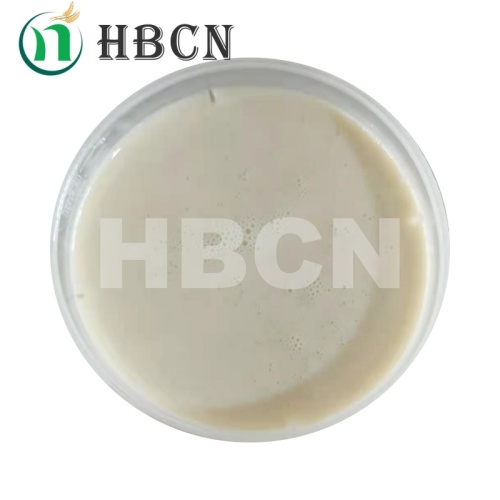
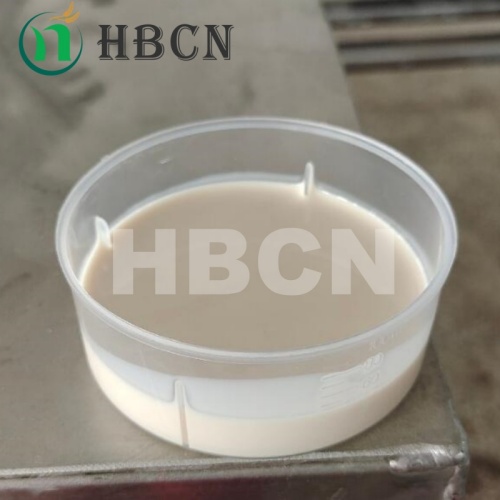
| Appearance | Homogeneous, opaque liquid, typically beige to light brown |
| Specific Gravity (20°C) | 1.05 - 1.15 g/mL |
| pH (1% solution) | 4.0 - 7.0 (typical) |
| Shelf Life | 2 years minimum under proper cool, dry storage conditions (ISO 5437 compliant) |
| Target Crops | Cotton (Gossypium spp.) - specifically conventional and herbicide-tolerant varieties |
| Application Method | Pre-emergence and early post-emergence spray, ground or aerial application |
| Weed Spectrum | Wide range of annual grasses (e.g., Crabgrass, Foxtail, Barnyardgrass) and broadleaf weeds (e.g., Pigweed, Lambsquarters, Morningglory, Waterhemp) |
| Target Industries | Commercial cotton farming, agricultural cooperatives, agrochemical distribution networks |
Manufacturing Process Flow and Quality Assurance for Agrochemicals
The production of the Agrochemicals Selective Herbicide Acetochlor 25% Atrazine 25% Nicosulfuron 2% OD is a meticulously controlled process, engineered to ensure consistent quality, stability, and efficacy. Unlike mechanical components that undergo casting, forging, or CNC machining, agrochemical manufacturing focuses on precise chemical synthesis, formulation, and comprehensive quality control. This product exemplifies advanced formulation technology, crucial for delivering effective pesticides and agrochemicals.
Key Stages of Oil Dispersion (OD) Formulation:
-
Raw Material Sourcing & Qualification:
High-purity technical grade Acetochlor, Atrazine, and Nicosulfuron, along with specialized co-formulants (e.g., non-ionic/anionic surfactants, polymeric dispersants, carrier oils, rheology modifiers), are sourced from qualified global suppliers. Each incoming batch undergoes rigorous inspection to verify purity, concentration, and absence of contaminants, aligning with ISO 9001 standards for raw material quality and traceability. Only materials meeting stringent specifications are approved for use.
-
Pre-treatment & Dissolution/Dispersion:
Solid active ingredients (Atrazine, Nicosulfuron) are typically pre-milled or micronized to achieve a specific particle size distribution, essential for stable OD formulation. Acetochlor, often liquid, is precisely measured. The active ingredients are then systematically dispersed or dissolved in an appropriate non-aqueous carrier oil, alongside selected emulsifiers and dispersants to ensure robust stability and prevent phase separation during storage and dilution.
-
High-Shear Mixing & Wet Milling:
The mixture undergoes intense high-shear mixing, typically followed by wet milling using specialized equipment like horizontal bead mills. This critical step further reduces the particle size of the solid active ingredients into the sub-micron or nanometer range. Precise control of particle size distribution is paramount to enhance suspension stability, optimize sprayability, and maximize the bio-availability and efficacy of the active ingredients upon application. In-process quality checks for particle size and viscosity are continuous.
-
Stabilization & Homogenization:
Additional stabilizers, anti-foaming agents, and rheology modifiers are incorporated to prevent sedimentation, flocculation, or creaming over the product's shelf life. The entire blend is then thoroughly homogenized to ensure a uniform distribution of all components, maintaining the physical and chemical integrity of the OD formulation. Advanced analytical techniques, including spectroscopy (e.g., FTIR) and chromatography (e.g., HPLC), are employed to confirm ingredient uniformity and stability.
-
Final Quality Control & Packaging:
Before packaging, the finished product undergoes a comprehensive battery of final tests. These include precise active ingredient content analysis (e.g., by HPLC-MS), measurements of pH, density, viscosity, suspensibility, pourability, and accelerated storage stability tests (e.g., at elevated temperatures per CIPAC methods). Only products meeting stringent internal and international standards (e.g., FAO specifications, ANSI/ASAE S387.2) are approved. The product is then accurately filled into appropriate high-density polyethylene (HDPE) container111s, sealed, and labeled according to local and international regulatory requirements. The service life of the herbicide, under recommended storage, is typically two years, ensuring consistent performance. Target industries for such high-quality products are predominantly large-scale agricultural operations, particularly those focused on cotton. The advantages in typical application scenarios include energy saving through reduced spray passes, enhanced efficacy requiring lower application rates, and improved equipment longevity due to the non-corrosive properties of the OD formulation.
Application Scenarios and Technical Advantages
The Agrochemicals Selective Herbicide Acetochlor 25% Atrazine 25% Nicosulfuron 2% OD is engineered for maximum performance in diverse cotton growing environments. Its multi-mode-of-action approach provides robust weed control and is particularly effective against herbicide-resistant weed populations, a growing concern in modern agriculture.
Key Application Scenarios:
- Pre-emergence Application: Applied immediately after planting but before cotton emergence, this herbicide creates a protective barrier, preventing the germination and establishment of competitive annual grasses like goosegrass (Eleusine indica), barnyardgrass (Echinochloa crus-galli), and a wide range of broadleaf weeds such as pigweed (Amaranthus spp.), lambsquarters (Chenopodium album), and morningglory (Ipomoea spp.). The residual activity of Acetochlor and Atrazine ensures prolonged control during critical early growth stages.
- Early Post-emergence Application: When applied to small, actively growing weeds (typically 2-4 leaf stage), the Nicosulfuron component, combined with the residual and contact activity of Acetochlor and Atrazine, provides effective clean-up of emerged weeds. This flexibility is crucial for managing weed flushes under varying environmental conditions and provides an excellent reactive management option for growers, positioning it as an effective a selective herbicide.
- Herbicide Resistance Management Programs: By combining three active ingredients with distinct MOAs (HRAC Groups K3, C1, B), this product is an integral tool in integrated weed management strategies (IWMS). It significantly helps in delaying and managing the evolution of herbicide resistance in key weed species, ensuring the long-term viability and sustainability of weed control programs in cotton.
Technical Advantages:
- Broad-Spectrum Efficacy: Delivers comprehensive control over a vast spectrum of annual grass and broadleaf weeds, significantly reducing the need for multiple products and sequential applications, thereby saving time, labor, and operational costs.
- Enhanced Crop Safety: Specifically formulated for robust selectivity in cotton, this cotton selective herbicide exhibits excellent crop tolerance when applied according to label instructions, minimizing any potential phytotoxicity risks to the valuable cotton crop.
- Superior OD Formulation: The Oil Dispersion (OD) formulation significantly enhances rainfastness (resistance to wash-off by rain), improves adhesion to weed surfaces, and optimizes uptake and translocation within the plant. This leads to more consistent and reliable weed control, even under suboptimal environmental conditions like drought stress or high humidity.
- Extended Residual Activity: Provides prolonged weed control, effectively suppressing subsequent weed flushes and minimizing competition with the developing cotton crop for critical resources such as water, nutrients, and sunlight, thus promoting stronger plant growth and higher yields.
- Application Flexibility: Suitable for both pre-emergence and early post-emergence applications, offering growers greater strategic flexibility in their weed management scheduling to adapt to varying planting dates and weed emergence patterns.
Vendor Comparison and Customized Solutions
In a competitive market saturated with various pesticides and agrochemicals, selecting the right supplier is paramount for ensuring agricultural success. Our commitment to product quality, formulation innovation, and customer-centric solutions distinctly sets us apart from competitors.
Comparative Advantages of Our Multi-Active OD Solution:
| Feature | Our Product (Acetochlor 25% Atrazine 25% Nicosulfuron 2% OD) | Generic Single-Active Herbicide (e.g., stand-alone Atrazine EC) | Competitor Multi-Mix SC/EC |
|---|---|---|---|
| Active Ingredient Profile | Three synergistic Modes of Action (HRAC Groups K3, C1, B) for comprehensive broad-spectrum and proactive resistance management. | Single MOA (e.g., C1), resulting in a limited weed spectrum and significantly higher risk of herbicide resistance development. | Often two or three MOAs, but frequently utilize older formulation technologies (SC/EC) that may offer lower overall efficacy or stability. |
| Formulation Technology | Advanced Oil Dispersion (OD) for superior rainfastness, enhanced foliar penetration, prolonged residual activity, and improved stability. | Emulsifiable Concentrate (EC) or Suspension Concentrate (SC) with potentially higher solvent content, increased volatility, and less stable dispersion. | Suspension Concentrate (SC) or Emulsifiable Concentrate (EC), which can be effective but typically do not match the advanced efficacy benefits of OD for specific weed types and conditions in cotton. |
| Crop Safety (Cotton) | Excellent selectivity and high crop tolerance in cotton due to precise formulation and balanced active ingredient ratios, minimizing phytotoxicity risks. | Moderate to high risk of phytotoxicity at higher application rates, under specific environmental conditions, or at sensitive crop growth stages. | Variable crop safety, highly dependent on the specific active ingredients, precise application parameters, and prevailing environmental conditions. |
| Weed Resistance Management | Proactive and robust strategy through the combination of multiple MOAs, significantly reducing selection pressure on weed populations and extending product utility. | High risk of accelerating resistance development due to continuous application of a single mode of action, leading to rapid weed population shifts. | Good resistance management potential, but may lack the superior formulation advantages and consistent performance of our OD product. |
| Environmental Profile | Optimized for targeted delivery, minimal off-target movement, and lower effective use rates, contributing to a more favorable environmental footprint. | Potentially higher leaching potential, greater environmental persistence of certain actives, and higher volatility. | Variable environmental impact, dependent on the specific active ingredients, their degradation pathways, and the efficacy of formulation adjuvants. |
Customized Solutions from Mac Agrochemicals:
At Mac Agrochemicals, we understand that agricultural challenges are highly regional and dynamic. We offer bespoke solutions that go beyond off-the-shelf products, ensuring our partners receive precisely what they need to succeed. Our capabilities include:
- Regional Formulation Adjustments: We can tailor active ingredient ratios or fine-tune co-formulant packages to precisely suit specific soil types, climate conditions, water quality, and prevalent weed spectra in different cotton-growing regions globally.
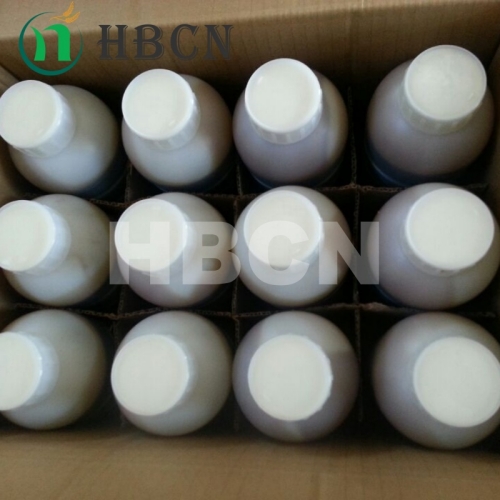
- Packaging Customization: We offer a diverse range of packaging sizes, from bulk container111s (e.g., 200L drums) for large-scale industrial operations to smaller units (e.g., 1L, 5L bottles) for specific market segments, optimized for logistical efficiency, handling safety, and user convenience.
- Comprehensive Technical Support & Training: We provide in-depth field technical support, application training, and detailed guidance on integrated weed management strategies for our partners and end-users, ensuring optimal product performance, safe handling, and regulatory compliance.
- Regulatory Assistance: Our expert regulatory team collaborates closely with partners to navigate complex regional and national agrochemical registration processes, facilitating smooth market entry and sustained compliance in target territories.
Application Case Studies and Customer Experience
Real-world application demonstrates the tangible and measurable benefits of our advanced cotton selective herbicide solution. Our product has been successfully deployed in diverse cotton-producing regions across various continents, consistently yielding impactful results for growers and demonstrating superior performance.
Case Study 1: Delta Region, USA – Managing Herbicide-Resistant Weeds
A large-scale commercial cotton farm in the Mississippi Delta, spanning over 1,500 hectares, faced severe challenges with widespread glyphosate-resistant Palmer amaranth (Amaranthus palmeri) and common waterhemp (Amaranthus rudis). Their existing program, relying on single-MOA herbicides, provided inconsistent control, leading to estimated yield losses of up to 15% in infested fields. Upon integrating Agrochemicals Selective Herbicide Acetochlor 25% Atrazine 25% Nicosulfuron 2% OD into their pre-emergence and early post-emergence weed management program for the 2022 season, the farm observed the following outcomes:
- Achieved an impressive 95% control of resistant Palmer amaranth and common waterhemp through 60 days post-application, significantly outperforming their previous program (averaging 70% control).
- Resulted in an average 8% increase in overall cotton lint yield due to critically reduced early-season weed competition, enhancing crop stand and vigor.
- The comprehensive multi-MOA approach allowed for a reduced overall herbicide expenditure by 12% by consolidating multiple applications into a single, highly effective solution, underscoring the value of a comprehensive a selective herbicide.
Customer Feedback: "This multi-active OD formulation has been an absolute game-changer for our resistance management strategy. The extended residual control meant fewer scoutings, reduced labor costs, and significantly less stress during critical cotton growth stages. It’s a reliable product that delivers."
Case Study 2: Central India – Enhancing Efficacy in Semi-Arid Conditions
In a semi-arid region of Central India, where cotton is a staple crop, growers frequently contend with sporadic rainfall patterns and tough-to-control grass weeds like Bermudagrass (Cynodon dactylon) and Crabgrass (Digitaria sanguinalis), which thrive rapidly post-monsoon showers. A cooperative of cotton farmers, cultivating approximately 500 hectares, adopted our OD product as part of their pre-plant and early post-emergence strategy.
- The OD formulation demonstrated superior rainfastness, maintaining excellent efficacy even with early, unpredictable rains occurring shortly after application, which was a significant improvement over previous SC or EC products.
- Achieved 90-92% control of target grass weeds and broadleaf weeds, representing a 15-20% improvement in control efficacy over conventional single-active formulations commonly used in the region.
- Observed improved crop vigor, healthier stand establishment, and uniform growth, which directly translated to an average 7% increase in lint yield per hectare across the cooperative's fields.
Customer Feedback: "The OD formulation truly sticks to the weeds and performs exceptionally well, even when we receive unexpected early-season showers. It’s undeniably a reliable cotton selective herbicide for our challenging and often unpredictable growing conditions. We've seen a noticeable difference in our yields."
Authoritativeness, Trustworthiness, and Dedicated Support
Our unwavering commitment to quality, global compliance, and paramount customer satisfaction forms the bedrock of our operations. We meticulously ensure that every product, including our specialized cotton selective herbicide, meets and often exceeds the most stringent industry benchmarks and regulatory requirements worldwide.
Certifications and Quality Standards:
- ISO 9001:2015 Certified: Our entire manufacturing infrastructure and operational processes adhere strictly to the highest international standards for quality management systems, ensuring consistent product excellence from raw material procurement to final delivery.
- FAO & WHO Guidelines Compliant: Our agrochemical formulations are developed and produced in full compliance with the Food and Agriculture Organization (FAO) and World Health Organization (WHO) specifications for pesticides, ensuring optimal safety, environmental stewardship, and proven efficacy.
- Regional Regulatory Approvals: All our products are rigorously tested, registered, and approved by relevant national and regional agricultural regulatory bodies (e.g., EPA in USA, APVMA in Australia, CIB&RC in India, ANVISA in Brazil) for their designated target crops and application scenarios, facilitating widespread market acceptance.
Partnerships and Industry Standing:
With over two decades of dedicated experience in the highly specialized agrochemical industry, Mac Agrochemicals has cultivated robust and enduring partnerships with leading agricultural distributors, influential farming cooperatives, esteemed research institutions, and large-scale commercial growers across the globe. Our long-standing market presence, proven track record, and collaborative approach unequivocally underscore our authority, reliability, and leadership as a premier global supplier of high-performance pesticides and agrochemicals.
Trustworthiness: FAQ, Lead Time, Warranty, and Customer Support
Frequently Asked Questions (FAQ):
- Q: What is the ideal application timing for this cotton selective herbicide?
A: For optimal efficacy, apply either pre-emergence (immediately after planting and before cotton emergence) or early post-emergence (when weeds are small, typically 2-4 leaf stage, and actively growing). Always consult the comprehensive product label for specific timing, rate recommendations, and regional guidelines tailored to your growing conditions. - Q: Is this product safe for all cotton varieties, including genetically modified (GM) cotton?
A: Our product is meticulously formulated for high selectivity and safety in conventional cotton. While generally safe, always refer to the specific product label for compatibility with particular cotton varieties, especially genetically modified ones (e.g., Bt cotton, herbicide-tolerant varieties), and conduct a small-scale trial if there is any uncertainty regarding compatibility. - Q: How does the OD formulation enhance efficacy and environmental profile?
A: The Oil Dispersion (OD) formulation significantly improves spray droplet adhesion to plant surfaces, enhances the penetration of active ingredients into weed leaves, and provides superior rainfastness. This ensures that more active ingredient effectively reaches and stays within the target plant, even under challenging weather conditions. Furthermore, OD formulations often allow for reduced active ingredient load per hectare compared to older formulations, contributing to a more favorable environmental profile. - Q: What is the typical lead time for bulk orders and how is fulfillment managed?
A: Our standard lead time for bulk orders typically ranges from 3-6 weeks, depending on the order volume, specific customization requirements, and current production schedules. We leverage robust global supply chain management systems and strategic warehousing to ensure efficient production planning, timely fulfillment, and reliable delivery to our international partners. Expedited options are available upon request and feasibility assessment.
Warranty and Comprehensive Customer Support:
We stand firmly behind the superior quality and assured performance of our products. All Agrochemicals Selective Herbicide products are covered by a comprehensive product warranty, guaranteeing strict conformance to stated specifications, quality standards, and efficacy promises upon delivery. Our dedicated technical support team comprises experienced agronomists, entomologists, and product specialists who are readily available to provide expert guidance on product selection, optimal application best practices, proactive troubleshooting, and advanced integrated pest management strategies. We offer highly responsive and proactive after-sales support to ensure the sustained success and satisfaction of our valued partners and end-users worldwide.
Conclusion
The Agrochemicals Selective Herbicide Acetochlor 25% Atrazine 25% Nicosulfuron 2% OD offers a robust, multi-faceted, and scientifically advanced approach to weed management in cotton, directly addressing the critical needs and complex challenges of modern agriculture. Its cutting-edge Oil Dispersion (OD) formulation, combined with the proven synergistic action of three powerful active ingredients, provides unmatched efficacy, exceptional crop safety, and essential resistance management benefits. As the global agricultural landscape continues to evolve with increasing pressures, relying on scientifically backed, high-performance pesticides and agrochemicals like ours is not merely an advantage—it is an absolute necessity for achieving sustainable and consistently profitable cotton production. Partner with Mac Agrochemicals to secure your yields, enhance your operational efficiency, and contribute to a more sustainable future in cotton cultivation.
References
- United States Environmental Protection Agency (EPA) - Pesticide Registration, Evaluation, and Safety Resources.
- Food and Agriculture Organization of the United Nations (FAO) - International Code of Conduct on Pesticide Management.
- Herbicide Resistance Action Committee (HRAC) - Global Herbicide Mode of Action Classification.
- Journal of Agricultural and Food Chemistry - Peer-reviewed research on herbicide formulations, efficacy, and environmental fate.
- Weed Science Society of America (WSSA) - Scientific publications and technical bulletins on weed management.
- Crop Protection (Elsevier) - Research journal on crop protection chemistry and biotechnology.
-
Imidacloprid Olefin – High-Performance Agricultural Pest Control Solutions from CN Agrochemical
NewsDec.09,2025
-
Comprehensive Guide to Imidacloprid Msds - Safe & Effective Pest Control Solutions from CN Agrochem
NewsDec.09,2025
-
Comprehensive Overview of Imidacloprid Mosquito Control for B2B Decision Makers
NewsDec.09,2025
-
Imidacloprid Mosquito: Effective & Sustainable Mosquito Control Solutions for B2B
NewsDec.09,2025
-
Effective Imidacloprid Mite Control for Industrial Agriculture
NewsDec.08,2025
-
Understanding Imidacloprid Mexico: Applications, Benefits & Environmental Impact
NewsDec.08,2025