

Sep . 03, 2025 13:40 Back to list
Effective Grass Herbicide: Kill Weeds, Not Your Lawn!
Introduction to Advanced Grass Herbicides
In modern agriculture and land management, the effective control of undesirable grass species is paramount for maximizing yield, preserving landscape aesthetics, and ensuring ecosystem health. Advanced grass herbicide formulations represent the cutting edge of phytosanitary technology, offering selective and efficient solutions for a diverse range of applications. These specialized chemical agents are engineered to target and eliminate specific grass weeds without harming desired broadleaf crops or turf, thereby optimizing resource utilization and significantly reducing manual labor. The focus on precision, efficacy, and environmental stewardship drives continuous innovation in this critical sector, catering to the exacting demands of B2B clients in agriculture, horticulture, and public infrastructure management.
Industry Trends and Market Dynamics
The global market for grass herbicides is experiencing dynamic growth, propelled by increasing agricultural intensification, rising labor costs, and the persistent challenge of weed resistance. Key trends shaping the industry include:
- Precision Agriculture Integration: The adoption of smart farming technologies, including drones and AI-powered sprayers, is driving demand for highly targeted and efficient herbicide formulations, minimizing off-target application and environmental impact.
- Sustainable and Environmentally Compliant Solutions: Growing regulatory scrutiny and consumer demand for eco-friendly practices are accelerating research into lower-toxicity formulations, biodegradable carriers, and products with favorable environmental profiles.
- Resistance Management Strategies: The emergence of herbicide-resistant weed biotypes necessitates the development of new active ingredients with novel modes of action and integrated weed management (IWM) programs that incorporate diverse chemical classes and cultural practices.
- Specialized Formulations: There is an increasing demand for specialized formulations, such as Emulsifiable Concentrates (EC) or Suspension Concentrates (SC), that offer enhanced stability, easier handling, and improved efficacy under varying environmental conditions.
Industry analysts project a compound annual growth rate (CAGR) of over 5% for the global herbicide market, reaching approximately $40 billion by 2027, with selective grass herbicides constituting a significant portion of this expansion. This growth underscores the critical role these products play in ensuring global food security and efficient resource management.
Technical Specifications and Manufacturing Process: Anilofos EC Herbicide
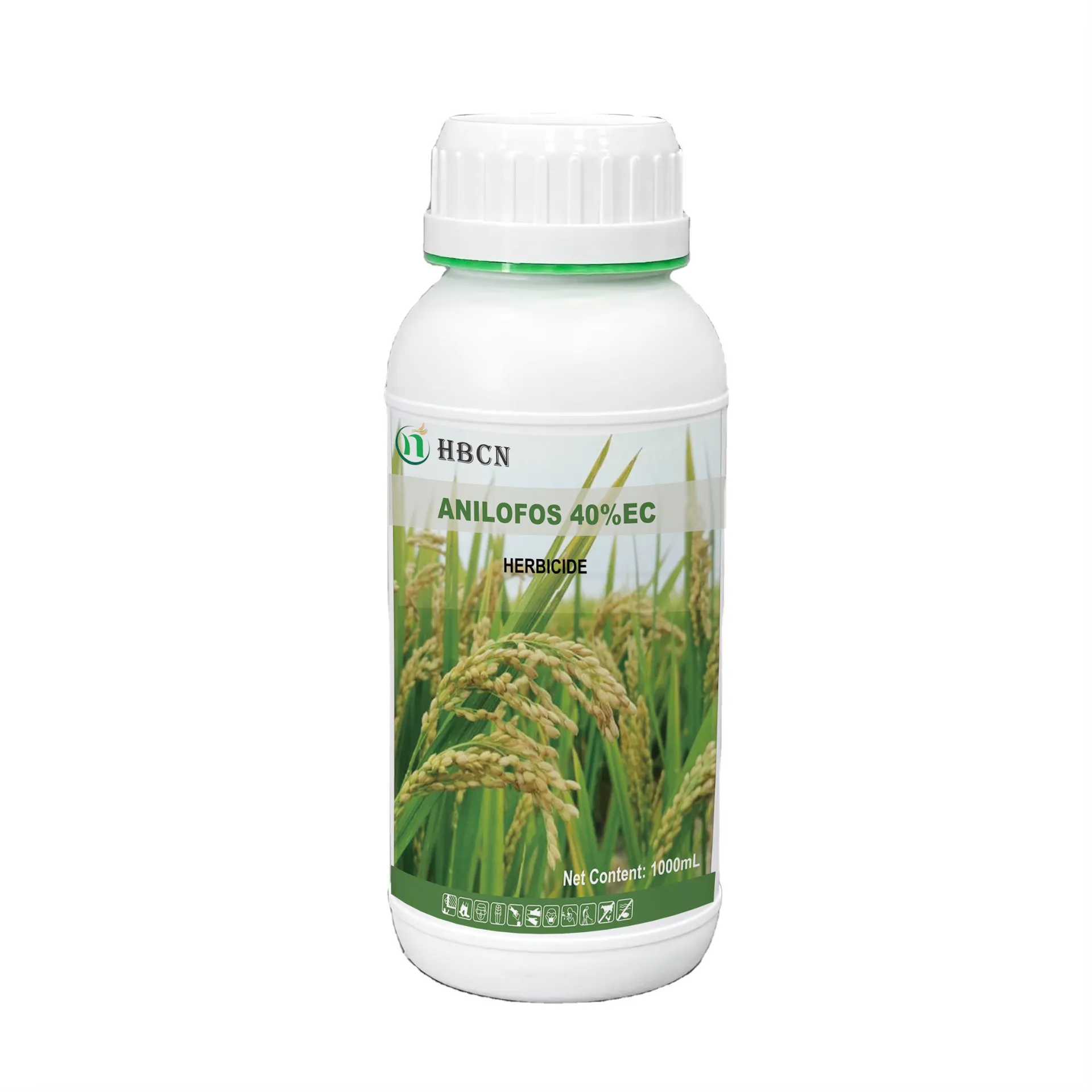
Our flagship grass herbicide, Anilofos EC, exemplifies advanced chemical engineering and formulation expertise. Anilofos is a selective, systemic, post-emergence herbicide specifically designed for the control of annual grass weeds and certain broadleaf weeds in transplanted and direct-seeded rice fields. Its Emulsifiable Concentrate (EC) formulation ensures excellent dispersion and stability in water, facilitating uniform application and superior efficacy.
Manufacturing Process Flow of Anilofos EC
The production of Anilofos EC involves a meticulous multi-stage process, adhering to stringent quality control standards such as ISO 9001:2015 and internal ANSI-aligned testing protocols to ensure product integrity and performance.
1. Active Ingredient Synthesis
Synthesis of technical grade Anilofos (O,O-diisopropyl S-4-chloro-2-methylphenylthiomethyl phosphorodithioate) through controlled chemical reactions and purification. Raw materials include specified precursors, catalysts, and solvents, sourced from certified suppliers.
2. Formulation Blending (EC)
The technical Anilofos is precisely blended with high-grade emulsifiers, co-solvents (e.g., aromatic hydrocarbons), and stabilizers to create the Emulsifiable Concentrate (EC) formulation. This process ensures stability, ease of mixing, and optimal spray characteristics.
3. Quality Control & Testing
Batch samples undergo rigorous analytical testing for active ingredient concentration, emulsion stability, pH, density, and impurity levels. Testing conforms to FAO specifications for pesticides, ensuring product consistency and safety.
4. Packaging & Distribution
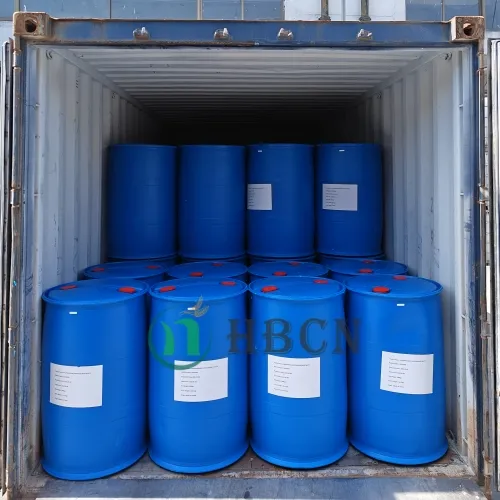
The finished Anilofos EC is packaged into various container111 sizes (e.g., 1L, 5L, 200L drums) compatible with agrochemical storage and transport regulations, ensuring product integrity until use. Each batch is traceable.
The typical service life (shelf life) for Anilofos EC herbicide, when stored under recommended conditions (cool, dry place, away from direct sunlight), is generally 2 years from the date of manufacture. Our target industries predominantly include rice cultivation (paddy fields), where controlling grass weeds like barnyard grass (Echinochloa crus-galli) and other annual grasses and sedges is critical for yield protection. In these scenarios, Anilofos EC demonstrates significant advantages in energy saving by reducing manual weeding labor and enhancing crop output efficiency, alongside excellent crop selectivity and non-corrosive properties towards standard agricultural spray equipment.
Anilofos EC Herbicide Key Specifications
| Parameter | Specification |
|---|---|
| Active Ingredient (AI) | Anilofos |
| AI Concentration | 300 g/L (or 30% w/v) |
| Formulation Type | Emulsifiable Concentrate (EC) |
| Mode of Action (MOA) | Inhibition of cell division (Root and shoot growth inhibitor) |
| Target Weeds | Annual grass weeds (e.g., Echinochloa crus-galli, Leptochloa chinensis), some sedges (e.g., Cyperus difformis), and broadleaf weeds in rice. |
| Application Timing | Post-emergence (typically 3-7 days after transplanting or direct seeding) |
| Application Rate (Typical) | 300-400 mL per acre (adjusted based on local conditions and weed pressure) |
| Shelf Life | 2 years under optimal storage conditions |
| Toxicity Classification (WHO) | III (Slightly hazardous) |
| CAS Number | 66134-20-1 |
Diverse Application Scenarios
The versatility of advanced grass herbicide formulations extends across various agricultural and non-agricultural sectors, providing essential weed control solutions.
- Paddy Rice Cultivation: As a selective herbicide, Anilofos EC is predominantly used in both transplanted and direct-seeded rice, effectively controlling major annual grass weeds, sedges, and some broadleaf weeds that compete fiercely with young rice plants.
- Other Cereal Crops: While primarily for rice, specific grass herbicides are tailored for crops like wheat, barley, and maize to manage specific grassy weed infestations, ensuring optimal crop stand and development.
- Commercial Turf and Ornamentals: High-quality turf management requires selective control of unwanted grass weeds in golf courses, sports fields, and public parks without damaging desirable turfgrass species.
- Non-Crop Areas: Industrial sites, railways, power lines, and public infrastructure benefit from non-selective grass herbicides to maintain clear pathways, prevent fire hazards, and ensure operational safety.
Each application scenario demands specific herbicide characteristics, from high selectivity in sensitive crops to robust broad-spectrum control in non-cropped areas, highlighting the need for a diverse portfolio of grass herbicide solutions.
Technical Advantages for B2B Partners
Our advanced grass herbicide solutions offer a suite of technical advantages designed to deliver superior performance and value for B2B operations:
- High Efficacy and Broad Spectrum Control: Formulations like Anilofos EC demonstrate outstanding control over a wide range of annual grass weeds and some sedges, even at lower application rates, ensuring clean fields and reduced weed pressure throughout the growing season.
- Excellent Selectivity and Crop Safety: Engineered for specific crop applications, our herbicides exhibit superior selectivity, effectively eliminating target weeds without causing phytotoxicity or stress to the desired crop, leading to healthy plant development and optimal yields.
- Optimized Formulation (e.g., EC): Emulsifiable Concentrates provide excellent tank-mix compatibility, rapid dispersion in water, and stable emulsion, leading to uniform spray coverage and enhanced absorption by weeds. This also contributes to the non-corrosive nature of the solution to standard agricultural spray equipment, reducing wear and tear.
- Residual Activity: Many of our formulations offer residual activity, providing extended weed control and reducing the need for multiple applications, thereby saving labor, fuel, and equipment operational costs—a direct contribution to "energy saving" through efficiency.
- Environmental Profile: Our commitment to responsible chemistry includes developing products with favorable environmental profiles, minimizing persistence in soil and water, and reducing impact on non-target organisms. All products adhere to international environmental and safety standards.
Vendor Comparison: Key Selection Criteria
Selecting the right grass herbicide vendor is a critical decision for B2B buyers. A comprehensive evaluation should consider several key factors beyond mere price:
| Criterion | Importance & What to Look For |
|---|---|
| R&D Capabilities | A vendor with strong R&D ensures innovation, access to new active ingredients, and solutions for emerging weed resistance challenges. Look for proprietary technologies and continuous product development. |
| Product Range & Formulations | A diverse portfolio covering various crop types, weed spectra, and formulation types (EC, SC, WG) offers flexibility and tailored solutions for specific needs. |
| Quality Assurance & Certifications | Adherence to international standards (e.g., ISO 9001, GLP for testing) and country-specific registrations (e.g., EPA, EU regulations) guarantees product consistency, safety, and compliance. |
| Technical Support & Expertise | Access to agronomists and technical specialists who can provide application guidance, troubleshoot issues, and advise on integrated weed management strategies. |
| Supply Chain Reliability | Robust manufacturing and logistics capabilities ensure timely delivery, especially during critical application windows. Evaluate lead times, inventory management, and global distribution networks. |
| Regulatory Compliance & Stewardship | Commitment to responsible product stewardship, including safe handling, storage, and environmental impact mitigation, reflects a trustworthy and long-term partner. |
Customized Solutions and Partnerships
Understanding that each B2B client faces unique challenges, we specialize in developing customized grass herbicide solutions. This can range from tailoring existing formulations to specific regional weed biotypes or environmental conditions, to developing novel product mixtures for enhanced efficacy and resistance management.
- Bespoke Formulations: Adjusting active ingredient concentrations, adding specific adjuvants, or developing co-formulations to meet precise application requirements or combat multi-resistant weeds.
- Private Labeling & Packaging: Offering flexible packaging options and private labeling services for distributors and large agricultural enterprises, ensuring brand consistency and market penetration.
- Integrated Weed Management (IWM) Programs: Collaborating with clients to design holistic IWM strategies that combine chemical control with cultural, mechanical, and biological methods for sustainable weed suppression.
- Regulatory Support: Assisting partners with product registration and compliance documentation in diverse international markets, leveraging our extensive regulatory expertise.
Application Case Studies: Proven Efficacy
Our commitment to delivering high-performance grass herbicide solutions is validated through numerous successful field applications.
Case Study 1: Enhanced Rice Yield in Southeast Asia
A large agricultural cooperative in Vietnam struggled with severe infestations of barnyard grass (Echinochloa crus-galli) and annual sedges in their transplanted paddy rice fields, leading to significant yield losses. After implementing a targeted program utilizing Anilofos EC at recommended post-emergence rates, the cooperative observed:
- Over 95% control of target grass weeds and sedges within 10-14 days post-application.
- A documented average increase in rice grain yield of 15-20% compared to control plots.
- Reduction in manual weeding labor by approximately 70%, leading to substantial cost savings.
- Improved crop stand and vigor due to reduced competition from weeds.
This project demonstrated the profound economic and operational benefits of selecting an effective, selective grass herbicide solution.
Case Study 2: Weed Control in Commercial Turf in Europe
A leading golf course management company in France faced challenges with annual bluegrass (Poa annua) and crabgrass (Digitaria spp.) infiltrating premium fairways and greens, impacting playability and aesthetics. Our specialized selective grass herbicide formulation, applied pre-emergence and followed by a spot post-emergence treatment, achieved:
- Sustained control of annual bluegrass and crabgrass for over 120 days.
- Zero observed phytotoxicity or discoloration on desirable bentgrass and ryegrass turf.
- Significant reduction in re-seeding and repair costs due to better weed prevention.
- Enhanced turf density and uniform appearance, contributing to a premium playing surface.
These results underscore our capability to deliver precise, high-performance weed control across diverse B2B applications.
Trust & Transparency: FAQ, Logistics, Warranty, and Support
Frequently Asked Questions (FAQ)
Q1: What is the optimal application window for Anilofos EC?
A1: Anilofos EC is most effective when applied post-emergence, typically 3-7 days after transplanting rice, or when grass weeds are in the 2-4 leaf stage for direct-seeded rice. Application during these stages ensures maximum uptake and control.
Q2: Is Anilofos EC safe for subsequent rotation crops?
A2: Anilofos has a relatively short soil residual effect, making it generally safe for subsequent rotation crops following the recommended waiting periods. Always consult product labels and local agricultural guidelines for specific crop rotation intervals.
Q3: How should Anilofos EC be stored?
A3: Store in the original sealed container111 in a cool, dry, well-ventilated area, away from direct sunlight, moisture, and extreme temperatures. Keep out of reach of children and unauthorized personnel. Adhere to all local hazardous material storage regulations.
Lead Time and Fulfillment
We maintain robust manufacturing capabilities and a streamlined logistics network to ensure efficient order fulfillment. Standard lead times for Anilofos EC and other stock grass herbicide products typically range from 2-4 weeks, depending on order volume and destination. For customized formulations or large-volume contracts, lead times will be mutually agreed upon based on specific project requirements and raw material availability. We prioritize clear communication throughout the order process to ensure timely delivery.
Warranty Commitments
Our products are manufactured to the highest industry standards and are warranted to conform to the chemical description on the label and to be reasonably fit for the purposes stated, subject to the inherent risks of crop protection. We warrant Anilofos EC against defects in materials and manufacturing for a period of 12 months from the date of purchase, provided it is stored and used in accordance with label instructions. This warranty covers product integrity and concentration.
Dedicated Customer Support
We are committed to providing exceptional customer support, recognizing its critical role in B2B partnerships. Our support structure includes:
- Technical Agronomists: A team of experienced agronomists available for consultation on product selection, application techniques, and integrated weed management strategies.
- Multilingual Service Team: Dedicated customer service representatives fluent in multiple languages to facilitate seamless communication across international markets.
- Field Support: On-site technical assistance for large-scale projects or specific regional challenges, ensuring optimal product performance.
- Regulatory Compliance Assistance: Expert guidance on local and international regulations pertaining to agrochemical use and import.
References
- Food and Agriculture Organization of the United Nations (FAO). International Code of Conduct on Pesticide Management.
- International Organization for Standardization (ISO). ISO 9001:2015 Quality Management Systems.
- Pesticide Action Network (PAN) International. Pesticide Database.
- Agricultural & Environmental Sciences Journals (e.g., Weed Science, Crop Protection).
- United States Environmental Protection Agency (EPA). Office of Pesticide Programs.
-
Imidacloprid Olefin – High-Performance Agricultural Pest Control Solutions from CN Agrochemical
NewsDec.09,2025
-
Comprehensive Guide to Imidacloprid Msds - Safe & Effective Pest Control Solutions from CN Agrochem
NewsDec.09,2025
-
Comprehensive Overview of Imidacloprid Mosquito Control for B2B Decision Makers
NewsDec.09,2025
-
Imidacloprid Mosquito: Effective & Sustainable Mosquito Control Solutions for B2B
NewsDec.09,2025
-
Effective Imidacloprid Mite Control for Industrial Agriculture
NewsDec.08,2025
-
Understanding Imidacloprid Mexico: Applications, Benefits & Environmental Impact
NewsDec.08,2025