

Oct . 18, 2025 11:00 Back to list
Best Abamectin 95 – High Purity, Fast Knockdown, MSDS Ready
Field Notes: Sizing Up best abamectin 95 for Real-World Crop Protection
Let’s cut to the chase. When agronomy teams talk about “the good stuff,” they usually mean reliable technical grade, clean COAs, and consistent field performance. That’s why buyers keep asking me about best abamectin 95—and, interestingly, why many also cross-shop beta-cypermethrin from the same suppliers. Different modes of action, sure, but in rotation they’re a smart combo for resistance stewardship.
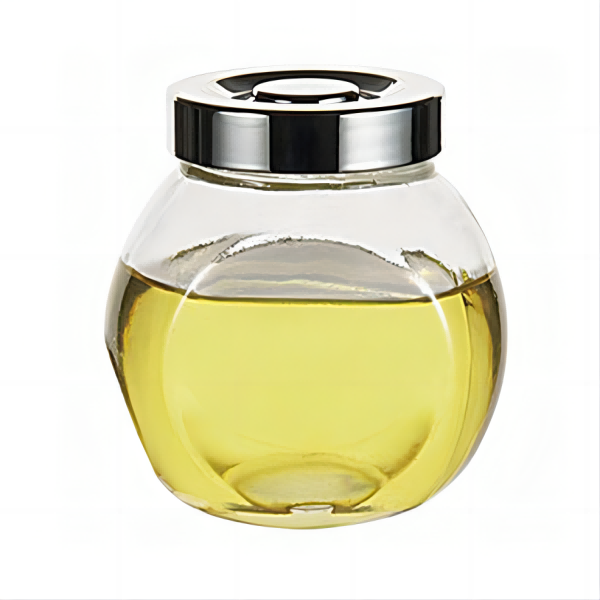
Industry snapshot and why it matters
Two trends I keep hearing from purchasing managers: tighter impurity profiles and tighter delivery windows. Actually, it’s not just talk—regulators and downstream brands are pushing for FAO/WHO-aligned specs, GLP data, and traceability. In this climate, a Hebei-based producer I visited (No.1810 Tower B, Jinyuan Building, 152 Huai'an Road, Yuhua District, Shijiazhuang City, China) stood out for consistent beta-cypermethrin offerings and, yes, contract manufacturing ties for best abamectin 95.
Technical profile (Abamectin 95% TC)
| Parameter | Typical Spec (≈) |
|---|---|
| Active ingredient | Abamectin (B1a+B1b) 95% TC |
| Assay method | HPLC per CIPAC/FAO methods |
| Impurities | Meets FAO/WHO limits (real-world may vary by batch) |
| Appearance | Light yellow to brownish viscous concentrate |
| Formulations | EC, SC, ME; customized loadings on request |
| Shelf life | ≈ 2 years sealed; store cool and dry |
| Field persistence | ≈ 7–14 days depending on UV, crop canopy |
| Compliance | Targets FAO/WHO specs; ICAMA registered suppliers; ISO 9001/14001 sites |
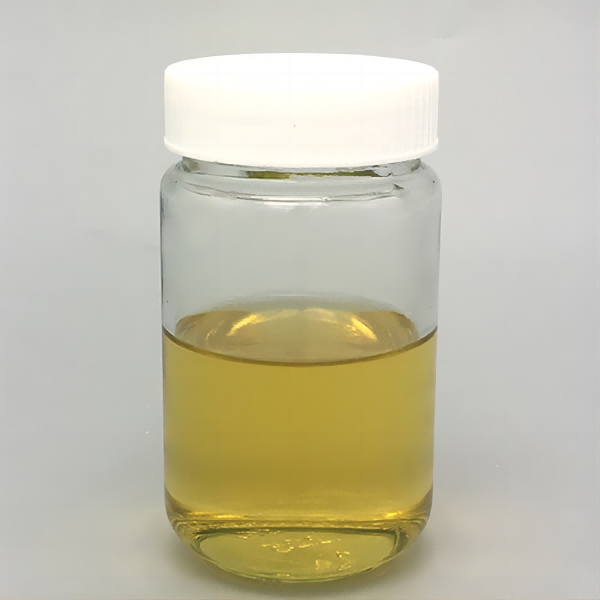
Process, testing, and service life
Abamectin originates from fermentation of Streptomyces avermitilis, followed by extraction, refining, and stabilizing. The better plants I’ve seen use closed-loop solvents, in-line HPLC, and GLP-compliant stability studies (accelerated and real-time). Batches are released against COA with assay, isomer ratio, pH, moisture, and emulsifiability for ECs. Service life? About two years sealed; once formulated and opened, efficacy depends on storage and adjuvants.
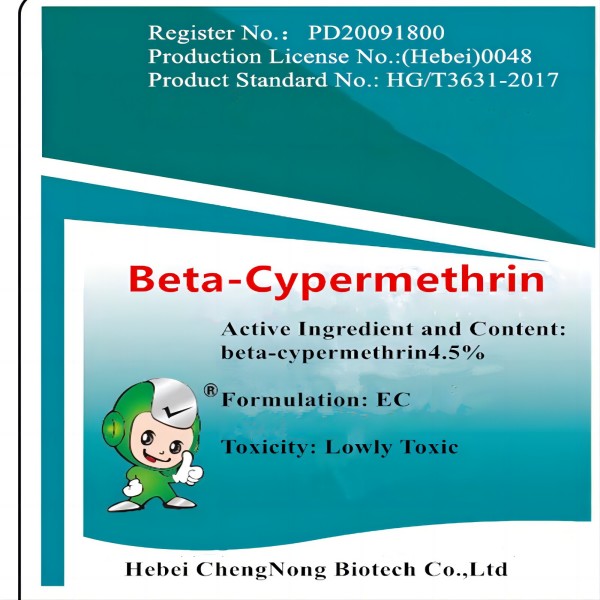
Interesting side note: this vendor also touts beta-cypermethrin lines (4.5%, 2.5%, 5%, 10% EC; 95% TC; 5% WP). Rotating pyrethroids with best abamectin 95 (IRAC 6) is a straightforward resistance strategy in vegetables, cotton, orchards, and ornamentals—always per label and local law, obviously.
Vendor comparison (indicative)
| Vendor | Core Actives | Purity/Forms | Certs | Lead Time | Notes |
|---|---|---|---|---|---|
| Hebei Manufacturer (featured) | Abamectin 95% TC; Beta-cypermethrin 95% TC | TC, EC, WP, SC | ISO 9001/14001; ICAMA | ≈ 10–20 days | Customization and white-label support |
| Global Supplier A | Abamectin; Emamectin | TC, EC, ME | ISO; GLP labs | ≈ 3–5 weeks | Strong documentation; higher MOQ |
| Regional Distributor B | Formulated EC/SC | Ready-to-sell | GHS; local registrations | Stock-based | Faster delivery; limited customization |
Application scenarios and feedback
Common use-cases include mite and leafminer management in greenhouse vegetables, citrus, and ornamentals. Many customers say they prefer best abamectin 95 for its strong translaminar action, then rotate to beta-cypermethrin for rapid knockdown on chewing pests. One mid-sized European grower told me their thrips pressure dropped notably after alternating these actives for two cycles. To be honest, results vary—UV, water quality, and spray coverage still rule the day.
Customization and QC
Formulation tweaks (solvent system, emulsifiers, anti-oxidants) can be tailored for hard water or low-volume sprays. Typical QC includes identity by IR/UV, assay by HPLC, stability per OECD/GLP, and emulsifiability/foam tests for ECs. Ask for a recent COA, MSDS, and if available, FAO/WHO spec alignment letter. For safety, always follow the registered label, PPE guidance, REI/PHI, and local regulations.
Mini case study
A 120-ha tomato operation in North Africa pivoted to best abamectin 95 (custom EC) plus beta-cypermethrin 5% EC from the Hebei supplier. After water-quality adjustment and nozzle change, scouting reports showed a ≈35% drop in mite counts within two weeks; residue test passes came in clean against MRLs. The kicker was logistics: consolidated LCL shipments trimmed two weeks off their usual lead time.
Citations
- FAO/WHO Joint Meeting on Pesticide Specifications (JMPS): Abamectin Specifications and Evaluations.
- IRAC Mode of Action Classification Scheme, Group 6 (Avermectins) and Group 3A (Pyrethroids).
- US EPA: Abamectin Reregistration Eligibility Decision and subsequent updates.
- CIPAC Handbook: Analytical methods for abamectin and formulation testing.
-
Imidacloprid Olefin – High-Performance Agricultural Pest Control Solutions from CN Agrochemical
NewsDec.09,2025
-
Comprehensive Guide to Imidacloprid Msds - Safe & Effective Pest Control Solutions from CN Agrochem
NewsDec.09,2025
-
Comprehensive Overview of Imidacloprid Mosquito Control for B2B Decision Makers
NewsDec.09,2025
-
Imidacloprid Mosquito: Effective & Sustainable Mosquito Control Solutions for B2B
NewsDec.09,2025
-
Effective Imidacloprid Mite Control for Industrial Agriculture
NewsDec.08,2025
-
Understanding Imidacloprid Mexico: Applications, Benefits & Environmental Impact
NewsDec.08,2025