

Oct . 17, 2025 07:31 Back to list
Best Willowood Imidacloprid | Fast, Systemic Pest Control
What Growers Really Mean by best willowood imidacloprid — And Why Azoxystrobin Often Enters the Conversation
If you’re scanning dealer lists for insect control, you’ll bump into imidacloprid a lot. But in real fields, insects rarely arrive alone—diseases tag along. That’s where azoxystrobin steps up. I’ve walked enough farm blocks to know that a balanced tank, not a single silver bullet, keeps season plans on track. So, while folks search for best willowood imidacloprid, many also pair it with a broad-spectrum fungicide like azoxystrobin to steady yields when pressure spikes.
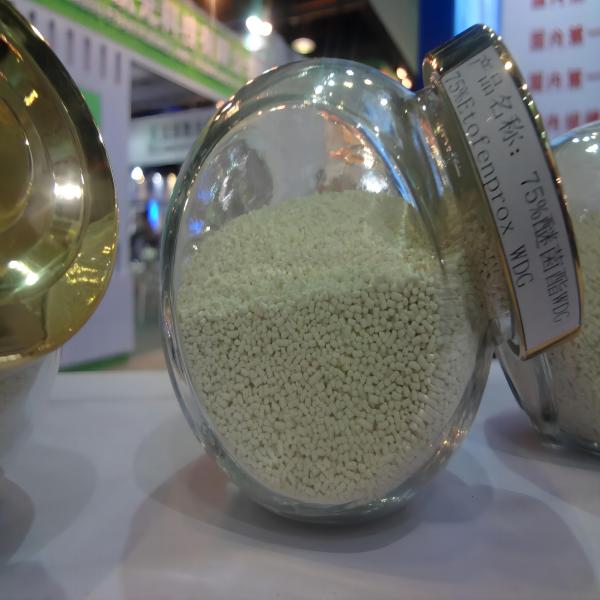
Featured Product: Azoxystrobin (Multiple Formulations)
From Hebei, China (No.1810 Tower B, Jinyuan Building, 152 Huai'an Road, Yuhua District, Shijiazhuang), this supplier offers “Agrochemical Azoxystrobin Fungicide 50% WDG, 250 g/L SC, and 80% WDG.” It’s a QoI strobilurin (FRAC 11), designed to protect against a wide spectrum of fungal pathogens—think rusts, mildews, leaf spots. To be honest, I like its flexibility: WDG for field stability, SC when you want tight particle control.
| Spec (≈) | Details (real-world use may vary) |
|---|---|
| Active Ingredient | Azoxystrobin (technical ≈95% TC source) |
| Formulations | 50% WDG; 80% WDG; 250 g/L SC |
| Mode of Action | QoI (Complex III inhibitor), FRAC 11 [1] |
| Typical Rate | ≈100–250 g a.i./ha (always follow local label) |
| Testing Standards | CIPAC MT 184 (suspensibility), MT 46 (pH), FAO specs [2][3] |
| Shelf Life | ≈2 years sealed in original packaging at ambient |
| Compliance | ISO 9001 reported; REACH/registrations vary by market |
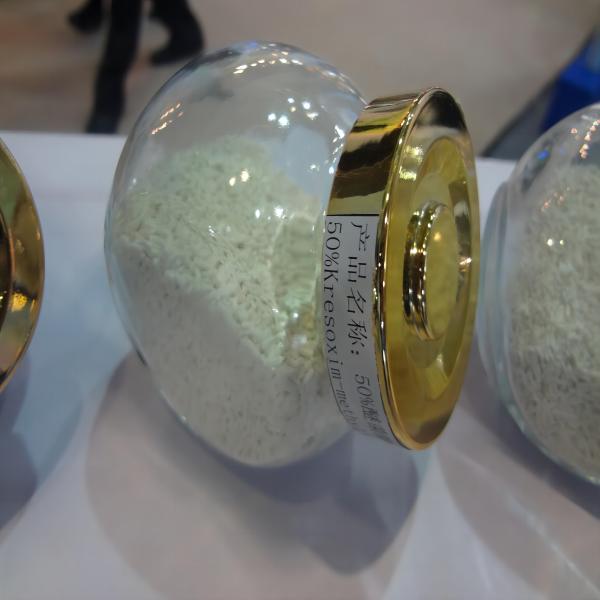
Where It Fits (and How People Actually Use It)
Crops: cereals, rice, soybeans, grapes, potatoes, bananas, turf. Application windows: early preventive sprays, then rotation to manage resistance (don’t stack FRAC 11 back-to-back). Tank-mix: often paired with triazoles or, yes, insect control like best willowood imidacloprid equivalents when aphids or whiteflies surge. Many customers say the WDG holds suspension better in hard water; the SC pours cleaner—your call.
Process Flow & QC (Short Version)
Materials: azoxystrobin TC, dispersants, wetting agents, antifoam, carriers. Methods: bead-milling (SC) or high-shear granulation and drying (WDG). QC: particle size D90 ≈ 3–5 μm (SC), wet-sieve residue ≤ a few % (WDG), pH checks, accelerated storage, and CIPAC-based assays. Service life depends on storage (don’t bake it in a shed).
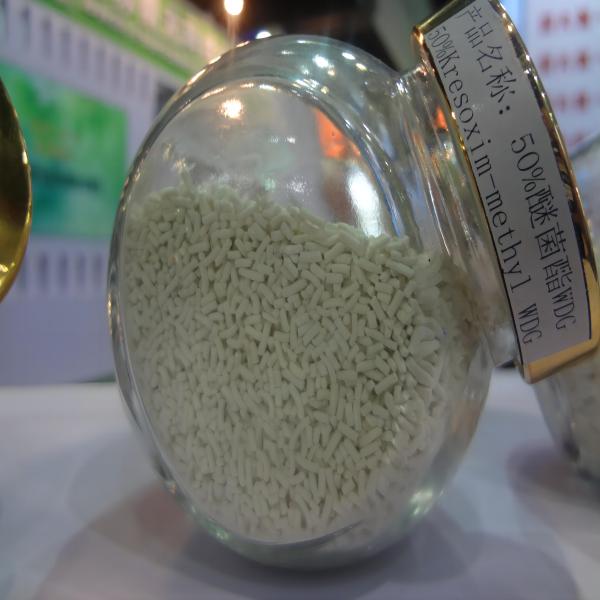
Vendor Landscape: Imidacloprid vs. Azoxystrobin Options
| Vendor (example) | Primary Active | Formulation Options | Certs/QA (≈) | Lead Time (≈) |
|---|---|---|---|---|
| Willowood-type line | Imidacloprid (insecticide) | 200SL, 600FS, etc. | ISO 9001; labels vary by country | ≈2–6 weeks post order |
| CNAGRO (Hebei) | Azoxystrobin (fungicide) | 50% WDG; 80% WDG; 250 g/L SC | ISO 9001 reported; CIPAC/FAO methods | ≈10–30 days, season-dependent |
| Multinational brand | Azoxystrobin mix partners | Premixes (11+3, 11+7) | ISO 9001/14001; GHS alignment | Stock-driven (retail) |
Field Notes, Customization, and Feedback
Case snippet: 2023 demo plots (Hebei) in soybean saw ≈80–88% disease suppression with 250 g/L SC at label-equivalent rates versus untreated. Growers reported cleaner leaves into pod set; one co-op manager said sprayability was “boringly consistent,” which, frankly, is what you want. Packaging can be customized (1L, 5L for SC; 1 kg, 10 kg for WDG) with OEM labeling upon request.
Practical Tips
-
- Start preventive; rotate away from FRAC 11 to slow resistance.
- Check water pH and hardness; jar-test mixes with best willowood imidacloprid or other partners.
- Respect PHI/REI per local label; consult country registrations [4].
Note: Always follow your jurisdiction’s approved labels and safety data. Data above is indicative; verify with supplier COAs and local regulations.
Authoritative citations
- FRAC. QoI (Strobilurin) mode-of-action classification and resistance guidance. [1]
- FAO/WHO JMPS. Specification for Azoxystrobin (technical and formulations). [2]
- CIPAC Handbook. Physical-chemical test methods (e.g., MT 184, MT 46). [3]
- US EPA Pesticide Product and Label System (country labels vary). [4]
-
Imidacloprid Olefin – High-Performance Agricultural Pest Control Solutions from CN Agrochemical
NewsDec.09,2025
-
Comprehensive Guide to Imidacloprid Msds - Safe & Effective Pest Control Solutions from CN Agrochem
NewsDec.09,2025
-
Comprehensive Overview of Imidacloprid Mosquito Control for B2B Decision Makers
NewsDec.09,2025
-
Imidacloprid Mosquito: Effective & Sustainable Mosquito Control Solutions for B2B
NewsDec.09,2025
-
Effective Imidacloprid Mite Control for Industrial Agriculture
NewsDec.08,2025
-
Understanding Imidacloprid Mexico: Applications, Benefits & Environmental Impact
NewsDec.08,2025