

Sep . 15, 2025 07:20 Back to list
Famoxadone Fungicide: Powerful Broad-Spectrum Disease Control
Understanding Famoxadone Fungicide: A Strategic Solution for Crop Protection
In the dynamic landscape of modern agriculture, effective disease management is paramount for ensuring crop yield and quality. Among the critical agrochemicals, famoxadone fungicide stands out as a highly effective strobilurin fungicide, widely recognized for its robust action against a broad spectrum of fungal pathogens. This quinone outside inhibitor (QoI) fungicide offers unique translaminar activity and a protective mode of action, making it an indispensable tool in integrated pest management (IPM) strategies for various crops. This comprehensive article delves into the technical aspects, application benefits, and market significance of famoxadone, providing B2B decision-makers with the insights needed to leverage this powerful solution.
Industry Trends and Market Dynamics in Fungicides
The global fungicide market is experiencing steady growth, driven by increasing agricultural intensification, rising concerns over food security, and the persistent threat of crop diseases. Recent trends indicate a strong emphasis on fungicides with enhanced efficacy, favorable environmental profiles, and robust resistance management capabilities. Strobilurin fungicides, including famoxadone fungicide, continue to dominate a significant share due to their broad-spectrum activity and low use rates. There is a growing demand for pre-mix formulations, such as those combining famoxadone with cymoxanil, to offer enhanced protection and manage fungicide resistance more effectively.
Data from agricultural market intelligence firms suggest that the market for QoI fungicides is projected to reach USD 9.5 billion by 2027, with a CAGR of over 5%. This growth is fueled by their effectiveness against major diseases like late blight, downy mildew, and powdery mildew in high-value crops like potatoes, tomatoes, grapes, and vegetables. Innovations in formulation technology, including microencapsulation and suspension concentrates, are also contributing to improved product stability, ease of application, and prolonged residual activity.
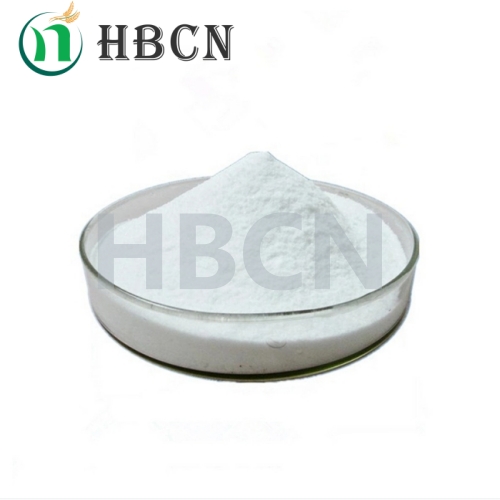
Manufacturing Process Flow of Famoxadone
The production of Pharmaceutical Raw Materials Famoxadone for Agriculture Fungicides involves a complex, multi-step organic synthesis process, ensuring high purity and efficacy. The meticulous manufacturing process adheres to stringent quality control standards, including ISO 9001 and environmental management standards like ISO 14001, to deliver a superior product.
Schematic Steps of Famoxadone Synthesis:
- 1. Intermediate Material Preparation: Sourcing and quality verification of key raw materials, primarily 2-cyano-2-(methoximinomethyl)acetic acid ester and 4-(phenoxymethyl)-1,3-oxazol-2(3H)-one.
- 2. Reaction Phase (Condensation): The key intermediates undergo a controlled condensation reaction in a precisely monitored environment, often involving specific catalysts and solvents. This step forms the core chemical structure of famoxadone.
- 3. Purification and Isolation: The crude product is subjected to a series of purification steps, including extraction, crystallization, and filtration, to remove impurities and obtain a highly pure active ingredient.
- 4. Drying and Milling: The purified famoxadone fungicide is carefully dried to achieve the desired moisture content and then milled to a specific particle size distribution for optimal formulation characteristics.
- 5. Quality Control and Packaging: Rigorous analytical testing, conforming to GLP (Good Laboratory Practice) standards and internal specifications, ensures the active ingredient's purity, potency, and stability. The final product is then packaged according to industry standards for distribution.
Target Industries & Advantages:
- Target Industries: Agriculture, Horticulture, Specialty Crops (e.g., viticulture, potato, tomato, cucurbits).
- Advantages: Highly effective against oomycetes (downy mildew, late blight) and other major fungal pathogens. Offers excellent rainfastness and residual activity, providing prolonged crop protection. Enhances crop vitality and yield.
Technical Specifications of Famoxadone Fungicide
Famoxadone fungicide is a highly specialized active ingredient designed for superior fungicidal performance. Its unique chemical structure and mode of action contribute to its efficacy and reliability in diverse agricultural settings.
Famoxadone Technical Parameters:
| Parameter | Specification |
|---|---|
| Chemical Name | (RS)-3-anilino-5-methyl-5-(4-phenoxyphenyl)-1,3-oxazolidin-2,4-dione |
| CAS No. | 131807-57-3 |
| Molecular Formula | C22H18N2O4 |
| Molecular Weight | 374.39 g/mol |
| Appearance | White to off-white crystalline powder |
| Purity (HPLC) | ≥ 97.0% (Typical: 98.5% min) |
| Melting Point | 141-143 °C |
| Solubility (Water) | Very low (0.0053 mg/L at 20°C) |
| Mode of Action | Quinone outside inhibitor (QoI); inhibits mitochondrial respiration |
| Toxicology (Acute Oral LD50, Rat) | > 5000 mg/kg (Low toxicity) |
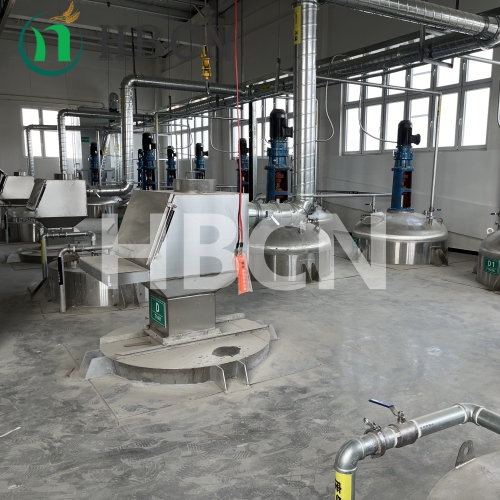
Application Scenarios and Target Crops
Famoxadone fungicide is highly versatile, offering protective and curative activity against a range of devastating fungal diseases. Its translaminar movement allows it to protect both upper and lower leaf surfaces, providing comprehensive coverage.
Key Application Areas:
- Potatoes and Tomatoes: Highly effective against Late Blight (Phytophthora infestans) and Early Blight (Alternaria solani). Famoxadone provides long-lasting protection, crucial for sensitive solanaceous crops.
- Grapes: Excellent control of Downy Mildew (Plasmopara viticola) and Powdery Mildew (Uncinula necator). Essential for maintaining grape quality and yield in viticulture.
- Cucurbits (Cucumbers, Melons, Squash): Manages Downy Mildew (Pseudoperonospora cubensis) and Powdery Mildew effectively, preventing significant yield losses.
- Onions and Other Alliums: Controls Downy Mildew (Peronospora destructor) and Purple Blotch (Alternaria porri).
- Ornamentals: Protection against various leaf spots and mildews in nurseries and landscapes.
The Synergy of Famoxadone and Cymoxanil:
The combination of famoxadone cymoxanil fungicide is a powerful strategy for enhanced disease control and robust resistance management. Cymoxanil, a locally systemic fungicide, offers rapid curative action, penetrating plant tissues quickly to halt disease development. When combined with the protective and translaminar activity of famoxadone, this synergistic blend provides both immediate knock-down and prolonged residual protection. This pre-mix formulation is particularly valuable against rapidly spreading diseases like late blight and downy mildew, offering comprehensive disease control and extending the effective service life of both active ingredients.
Technical Advantages and Mechanism of Action
The efficacy of famoxadone fungicide is rooted in its sophisticated mechanism of action and unique physiological properties. As a QoI fungicide, it interferes with fungal respiration, specifically inhibiting electron transport at the Qo site of the cytochrome bc1 complex (complex III) in the fungal mitochondria. This disruption prevents ATP synthesis, leading to rapid cessation of fungal growth and spore germination.
Key Technical Advantages:
- Broad-Spectrum Efficacy: Controls a wide range of Oomycetes, Ascomycetes, and Basidiomycetes pathogens.
- Translaminar Activity: Moves through the leaf tissue to provide protection on both upper and lower leaf surfaces, crucial for thorough disease control.
- Strong Protective and Residual Action: Forms a protective layer on the plant surface, preventing infection, and offers long-lasting residual activity, reducing the need for frequent applications.
- Rainfastness: Rapidly absorbed and bound to the waxy layer of the plant, making it highly resistant to wash-off by rain shortly after application.
- Resistance Management Compatibility: Often used in rotation or pre-mixes (like famoxadone cymoxanil fungicide) to delay the onset of resistance by targeting multiple modes of action.
- High Selectivity: Effectively controls target fungi while exhibiting low toxicity to beneficial insects and non-target organisms when used according to label instructions.
This combination of features makes famoxadone a cornerstone in integrated disease management programs, contributing to healthier crops, higher yields, and improved profitability for agricultural enterprises.
Vendor Comparison: Selecting the Right Partner for Famoxadone Supply
Choosing the right supplier for famoxadone fungicide is crucial for ensuring product quality, supply chain reliability, and technical support. B2B decision-makers should consider several factors beyond just price.
Key Factors for Vendor Evaluation:
- Purity and Consistency: High-grade famoxadone, typically >97%, is essential for formulation stability and efficacy. Verify analytical certificates (COAs) and batch-to-batch consistency.
- Certifications: Suppliers adhering to international standards like ISO 9001 (Quality Management), ISO 14001 (Environmental Management), and OHSAS 18001 (Occupational Health and Safety) demonstrate commitment to quality and responsible production.
- Regulatory Support: A reputable vendor provides comprehensive regulatory data and assistance for product registration in target markets.
- Technical Expertise: Access to technical specialists who can advise on formulation, application, and resistance management strategies.
- Supply Chain Reliability: Proven track record of on-time delivery, inventory management, and contingency planning.
Comparison Table: Generic vs. Specialized Famoxadone Suppliers
| Feature | Generic Supplier | Specialized Manufacturer (e.g., CNAgrochem) |
|---|---|---|
| Product Purity | Often 95-97%, variable | Consistently ≥98.5%, high specification |
| Quality Certifications | May lack comprehensive international certs | ISO 9001, ISO 14001, GLP compliant |
| Technical Support | Limited, basic product information | Dedicated R&D, formulation, and regulatory experts |
| Supply Chain | Potentially volatile, inconsistent delivery | Robust, global logistics, reliable lead times |
| Customization | Minimal to none | Tailored packaging, formulation support |
Partnering with a specialized manufacturer like CNAgrochem ensures access to high-quality famoxadone raw materials, backed by extensive technical expertise and consistent supply, which are critical for developing market-leading fungicide formulations.
Customized Solutions with Famoxadone
Recognizing the diverse needs of the agricultural market, leading suppliers offer tailored solutions utilizing famoxadone fungicide as a core active ingredient. These customizations empower formulators to create unique products optimized for specific crops, disease pressures, and geographical regions.
Areas of Customization:
- Formulation Development Support: Assistance in developing various end-use formulations, such as Suspension Concentrates (SC), Water Dispersible Granules (WG), or Emulsifiable Concentrates (EC), to optimize stability, rainfastness, and handling.
- Custom Blends: Creation of bespoke mixtures with other active ingredients, like famoxadone cymoxanil fungicide, to achieve broad-spectrum control, enhanced resistance management, and synergistic effects.
- Concentration Adjustments: Supplying famoxadone with specific purity levels or pre-blended concentrations to meet distinct client formulation requirements.
- Packaging and Labeling: Flexible packaging options, from bulk container111s to specific smaller units, along with private labeling services compliant with regional regulations.
- Regulatory Dossier Support: Providing comprehensive data packages and expert guidance for faster product registration in target countries.
Application Case Studies
Case Study 1: Late Blight Control in Potato Fields
Client: A large-scale potato farm in Idaho, USA.
Challenge: Persistent late blight pressure (Phytophthora infestans) leading to significant yield losses despite existing fungicide programs. Traditional fungicides were showing reduced efficacy.
Solution: Implemented a spray program featuring a famoxadone fungicide-based formulation (25% SC) at critical growth stages, rotating with other MOAs. Applications were initiated protectively and continued at 7-10 day intervals during high-risk periods.
Results: Over a two-season trial, the famoxadone-treated plots demonstrated a 90% reduction in late blight incidence compared to untreated controls and a 30% improvement over previous fungicide programs. Yields increased by an average of 15-20%, leading to substantial economic gains and improved tuber quality. Customer feedback highlighted the excellent rainfastness and prolonged residual activity.
Case Study 2: Downy Mildew Management in Viticulture
Client: A prominent vineyard in Bordeaux, France.
Challenge: Severe downy mildew (Plasmopara viticola) outbreaks, exacerbated by humid conditions, threatening grape quality and vintage. Resistance concerns were emerging with older active ingredients.
Solution: Adopted a preventative and early curative strategy using a famoxadone cymoxanil fungicide (e.g., a 22.5% Famoxadone + 30% Cymoxanil WG) applied during critical bloom and fruit set stages. The rapid curative action of cymoxanil complemented famoxadone's long-lasting protection.
Results: The vineyard observed a significant decrease in downy mildew severity, with disease incidence reduced by over 85% compared to baseline. Grape quality, measured by Brix levels and absence of disease blemishes, improved markedly. The synergistic effect of the dual-action fungicide provided robust control, contributing to a successful harvest and preserving the integrity of the premium wine production.
Ensuring Trust and Support: FAQ, Lead Time, Warranty & Customer Service
Frequently Asked Questions (FAQ)
- Q: What makes famoxadone effective against a broad spectrum of pathogens?
A: Famoxadone is a QoI fungicide that inhibits mitochondrial respiration in fungi, effectively disrupting their energy production. Its translaminar activity ensures thorough coverage, contributing to its broad-spectrum efficacy against Oomycetes, Ascomycetes, and some Basidiomycetes. - Q: How does famoxadone contribute to resistance management?
A: As a single-site mode of action fungicide, it is recommended to use famoxadone fungicide in rotation with or as a pre-mix with fungicides having different modes of action (e.g., cymoxanil) to prevent or delay the development of fungicide resistance. - Q: What are the typical lead times for bulk orders of famoxadone?
A: Standard lead times for bulk orders (e.g., 25 kg drums to metric tons) typically range from 4-6 weeks, depending on order volume, current stock levels, and shipping logistics. Expedited options may be available upon request. - Q: Is famoxadone compatible with other agrochemicals?
A: Famoxadone is generally compatible with most commonly used agrochemicals. However, it is always recommended to perform a small-scale compatibility test before mixing large quantities, especially for new formulations or tank mixes. Our technical team can provide guidance.
Lead Time and Fulfillment
We maintain robust inventory management and global logistics capabilities to ensure timely delivery of famoxadone fungicide. For standard orders, typical lead times are 4-6 weeks from order confirmation to port of destination. Rush orders or specialized requirements can be accommodated with prior arrangement. Our dedicated logistics team manages all aspects from customs clearance to final delivery, ensuring a seamless supply chain experience.
Warranty Commitments
All batches of our Pharmaceutical Raw Materials Famoxadone for Agriculture Fungicides are supplied with a Certificate of Analysis (CoA) guaranteeing purity and adherence to specified technical parameters. We provide a 12-month warranty from the date of shipment against manufacturing defects and non-conformity to stated specifications, provided the product is stored and handled according to our recommendations. Our commitment to quality is underpinned by our ISO 9001 certification.
Customer Support
Our B2B clients benefit from comprehensive customer support, including:
- Technical Assistance: Expert support for formulation development, application guidance, and troubleshooting.
- Regulatory Support: Assistance with dossier preparation and registration processes for various markets.
- Dedicated Account Management: A single point of contact for all your inquiries and needs, ensuring personalized and efficient service.
- After-Sales Service: Prompt resolution of any product-related issues and ongoing support to ensure customer satisfaction.
For immediate assistance, please contact us via the details provided on our website.
Conclusion
Famoxadone fungicide represents a cornerstone in modern crop protection, offering unparalleled efficacy against a wide range of fungal diseases, particularly Oomycetes. Its unique translaminar properties, robust rainfastness, and compatibility in synergistic blends like famoxadone cymoxanil fungicide provide growers and formulators with a powerful tool for sustainable agriculture. By partnering with a reliable and specialized manufacturer, B2B stakeholders can secure a consistent supply of high-purity famoxadone, supported by comprehensive technical and regulatory expertise, ensuring the success of their agrochemical formulations and contributing to global food security.
Citations
- FRAC (Fungicide Resistance Action Committee). (2023). FRAC Code List ©2023: Fungicides sorted by mode of action (including resistance profiles and cross resistance recommendations).
- EPA (Environmental Protection Agency). (2000). Pesticide Fact Sheet: Famoxadone. Washington, D.C.: U.S. Environmental Protection Agency.
- Agrochemical & Pesticide Market Research Reports. (2023). Global Fungicides Market Report. Industry ARC.
- Cohen, Y., & Coffey, M. D. (2018). The Fungicide Resistance Problem: A Practical Guide to Management. CABI Publishing.
- Bartlett, D. W., Clough, J. M., Gutteridge, J. D., Godwin, J. R., Hall, A. A., Hamer, M., & Parry, D. A. (2002). The strobilurin fungicides. Pest Management Science, 58(7), 649-662.
-
Imidacloprid Olefin – High-Performance Agricultural Pest Control Solutions from CN Agrochemical
NewsDec.09,2025
-
Comprehensive Guide to Imidacloprid Msds - Safe & Effective Pest Control Solutions from CN Agrochem
NewsDec.09,2025
-
Comprehensive Overview of Imidacloprid Mosquito Control for B2B Decision Makers
NewsDec.09,2025
-
Imidacloprid Mosquito: Effective & Sustainable Mosquito Control Solutions for B2B
NewsDec.09,2025
-
Effective Imidacloprid Mite Control for Industrial Agriculture
NewsDec.08,2025
-
Understanding Imidacloprid Mexico: Applications, Benefits & Environmental Impact
NewsDec.08,2025