

Oct . 03, 2025 07:15 Back to list
MCPA Herbicides - Hebei Chengnong Biotech|Selective Weed Control&Effective for Maize Fields
Effective weed management is critical for maximizing crop yields and ensuring agricultural productivity. MCPA-based herbicides have emerged as a reliable solution for controlling broadleaf weeds in maize fields. Developed by Hebei Chengnong Biotech Co., Ltd., these formulations combine advanced chemistry with practical application methods to deliver exceptional results. This article explores the features, technical specifications, application scenarios, and company background of these herbicides, supported by authoritative insights from the National Institute of Standards and Technology (NIST).
Key Features and Advantages
The MCPA-isooctyl 85%EC, MCPA 750g/l SL, and MCPA 62% SL herbicides are selective post-emergence herbicides designed to target annual broadleaf weeds in maize crops. Their unique formulation ensures strong endosmosis conductivity, allowing rapid absorption through plant cuticles and cell membranes. This enables the active ingredients to translocate throughout the weed, leading to systemic control and eventual plant death.
One of the standout advantages of these herbicides is their selectivity. According to NIST research on herbicide efficacy, selective herbicides like MCPA-based products are critical for minimizing crop damage while targeting specific weed species. These formulations are particularly effective against weeds such as Anticladus heterophyllus, Siderodon heterophyllus, pigweed, and ragweed, which are common in maize fields. The ability to control these weeds without harming the maize crop ensures optimal growth conditions and higher yields.
The products are also formulated for ease of application. They can be applied via mist spraying on leaves and stems, ensuring even coverage and efficient absorption. This method is especially beneficial during the 3–5 leaf stage of maize and the 2–6 leaf stage of weeds, as highlighted in the application guidelines. Additionally, the formulations are designed to be compatible with modern agricultural practices, including precision spraying technologies.
Technical Specifications
| Product Variant | Active Ingredient | Concentration | Formulation | Application Rate |
|---|---|---|---|---|
| MCPA-isooctyl 85%EC | MCPA-isooctyl | 85% | Emulsifiable Concentrate (EC) | 18–26 ml/mu |
| MCPA 750g/l SL | MCPA | 750g/l | Solution (SL) | 18–26 ml/mu |
| MCPA 62% SL | MCPA | 62% | Solution (SL) | 18–26 ml/mu |
Application Scenarios
These herbicides are primarily used in agricultural settings where maize is cultivated. Their application is restricted to maize fields, as they are not suitable for other crops like cotton, potatoes, beans, melons, or fruit trees. This selectivity is crucial to prevent unintended damage to sensitive crops, as outlined in the product's safety guidelines. For instance, the product must be applied carefully to avoid drift onto adjacent fields, which could lead to crop injury or reduced yields.
The recommended application window is during the 3–5 leaf stage of maize and the 2–6 leaf stage of weeds. This timing ensures that the herbicide is effective while minimizing risks to the maize crop. The product should be applied in dry weather conditions, as rain or wind can reduce efficacy and increase the risk of runoff. Additionally, the herbicide should not be used more than once per growing season to prevent overexposure and potential resistance development in weed populations.
For optimal results, the herbicide should be sprayed along rows, targeting the stems and leaves of weeds. This method ensures direct contact with the weed foliage, maximizing absorption. The product is also compatible with integrated pest management (IPM) strategies, allowing farmers to combine it with other weed control measures for long-term sustainability.
Storage and Transportation
Proper storage and transportation are essential to maintain the product's efficacy and safety. The herbicides should be stored in a cool, ventilated, and dry place, away from direct sunlight and moisture. Exposure to high temperatures or humidity can degrade the active ingredients, reducing their effectiveness. The product should also be kept separate from food, beverages, and personal items to prevent contamination.
During transportation, the container111s must be secured to prevent leaks or spills. Used container111s should be disposed of according to local regulations and should not be repurposed for other uses. This practice aligns with NIST guidelines on chemical safety, which emphasize the importance of responsible handling and disposal to protect both human health and the environment.
About Hebei Chengnong Biotech Co., Ltd.
Hebei Chengnong Biotech Co., Ltd. is a leading manufacturer and supplier of agrochemicals, specializing in herbicides, insecticides, and fungicides. With a manufacturing base spanning 80,000 square meters in Cangzhou City, Hebei Province, the company leverages advanced equipment and production lines to ensure high-quality output. Their commitment to innovation and sustainability is reflected in their diverse product portfolio, which includes formulations for a wide range of agricultural applications.
The company's expertise extends beyond herbicides. They also produce insecticides such as imidacloprid and thiamethoxam, fungicides like difenoconazole and azoxystrobin, and plant regulators. Their product range is designed to meet the specific needs of farmers, offering solutions for pest control, disease prevention, and crop growth optimization.
Hebei Chengnong Biotech's leadership has over 20 years of experience in the agricultural sector, ensuring that their products are developed with a deep understanding of field requirements. The company emphasizes standards compliance, with a focus on registration support, OEM processing, and application consulting. Their goal is to provide farmers with high-quality, cost-effective solutions that enhance productivity and profitability.
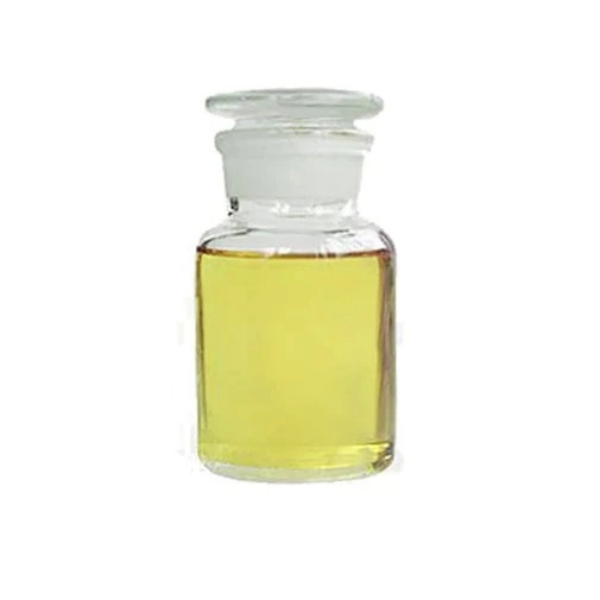
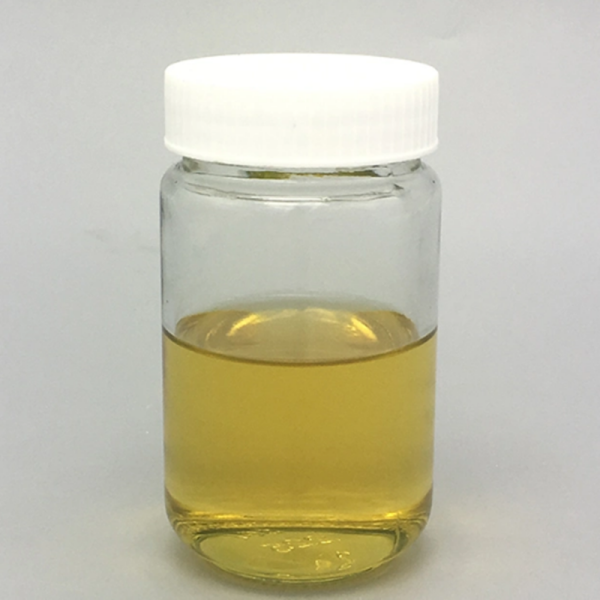
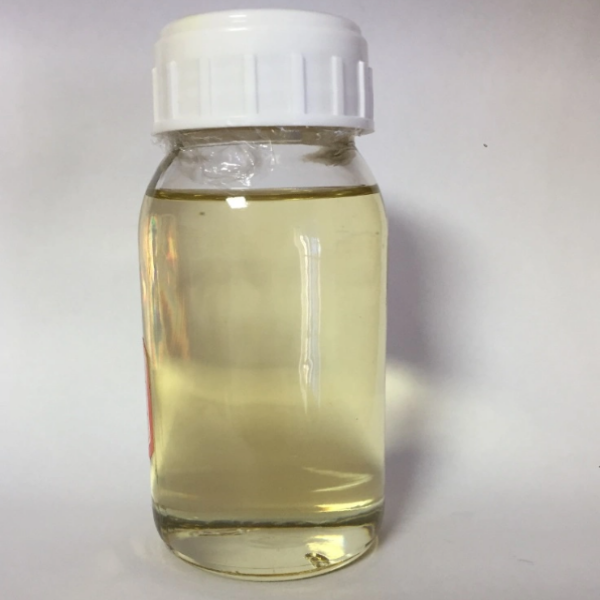
Product Images
Conclusion
The MCPA-based herbicides from Hebei Chengnong Biotech Co., Ltd. represent a significant advancement in agricultural weed control. Their selective action, rapid translocation, and ease of application make them an ideal choice for maize farmers seeking to manage broadleaf weeds effectively. By adhering to strict safety and storage guidelines, farmers can maximize the benefits of these products while minimizing environmental impact.
As the agricultural industry continues to evolve, the role of innovative herbicides like these will become increasingly important. Hebei Chengnong Biotech's commitment to quality, research, and customer support positions them as a trusted partner in the global agrochemical market. For more information, visit their official website.
References
National Institute of Standards and Technology (NIST). (n.d.). Standards for Agricultural Chemicals. Retrieved from https://www.nist.gov/
NIST. (2023). Chemical Safety and Environmental Impact. Retrieved from https://www.nist.gov/
-
Imidacloprid Olefin – High-Performance Agricultural Pest Control Solutions from CN Agrochemical
NewsDec.09,2025
-
Comprehensive Guide to Imidacloprid Msds - Safe & Effective Pest Control Solutions from CN Agrochem
NewsDec.09,2025
-
Comprehensive Overview of Imidacloprid Mosquito Control for B2B Decision Makers
NewsDec.09,2025
-
Imidacloprid Mosquito: Effective & Sustainable Mosquito Control Solutions for B2B
NewsDec.09,2025
-
Effective Imidacloprid Mite Control for Industrial Agriculture
NewsDec.08,2025
-
Understanding Imidacloprid Mexico: Applications, Benefits & Environmental Impact
NewsDec.08,2025