

Oct . 11, 2025 07:55 Back to list
Agrochemicals Pesticides | High-Efficacy, Green & Generic
Flucarbazone-Na 70%WDG: a field-tested take on modern wheat herbicides
If you follow crop protection, you already know the conversation around agrochemicals pesticides is changing—less volume, more precision, tighter stewardship. Flucarbazone-Na 70%WDG (post-emergence, wheat) fits that narrative. It’s a granular WDG from a leading supplier in Shijiazhuang, Hebei, and—speaking frankly—one of the cleaner ALS-inhibitor options for wild oats and brome where resistance hasn’t stacked up yet.
Industry trends (and a quick reality check)
Three currents are pulling hardest: resistance management, data-guided timing, and safer formulations. WDGs reduce dust and handling risk; adoption is up. Regulators are nudging labels toward tighter drift control and record-keeping. And growers—many customers tell me this—want fewer passes with higher predictability. Flucarbazone-Na, an ALS inhibitor (HRAC Group 2), slots into an early-post window with low use rates, which is, frankly, convenient when labor is thin.
Technical snapshot
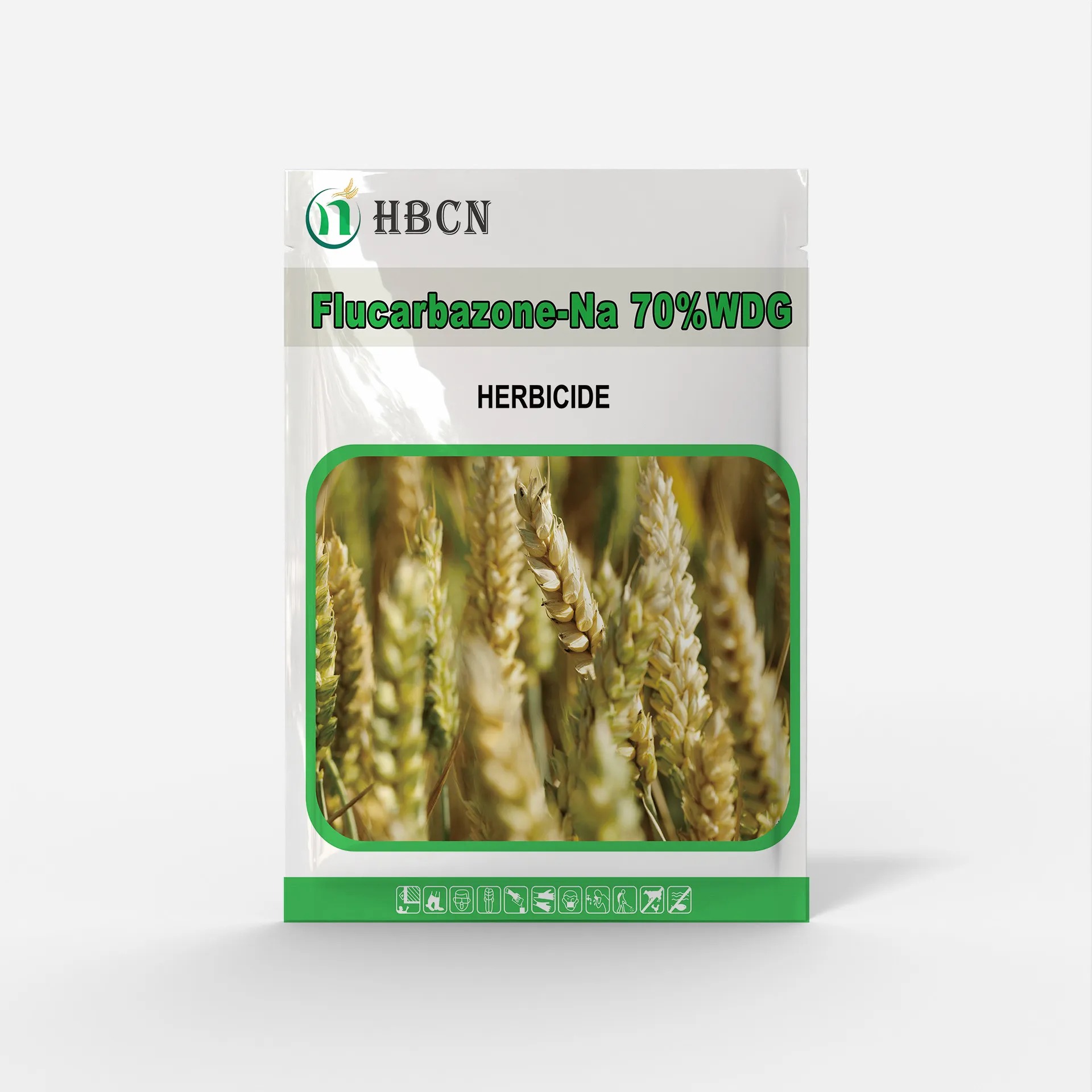
| Product | Flucarbazone-Na 70% WDG (post-emergence herbicide for wheat) |
| Active content | 70% w/w (≈700 g/kg) |
| Mode of Action | ALS inhibitor, HRAC Group 2 (B) |
| Target weeds | Wild oat, green/giant foxtail, downy brome, volunteer canola (certain biotypes) |
| Typical rate | ≈14–35 g a.i./ha (real-world use may vary by label and pressure) |
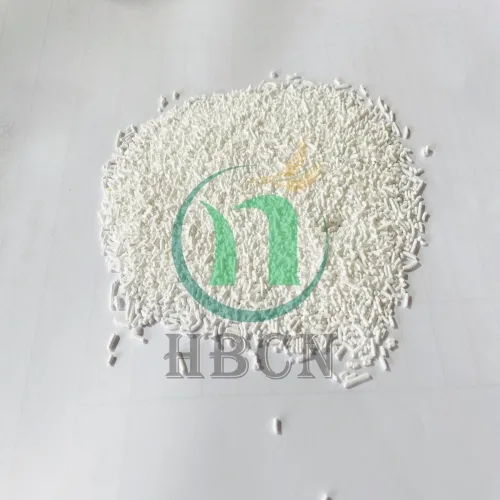
| Formulation perks | Fast dispersion, low dust, NIS adjuvant often recommended |
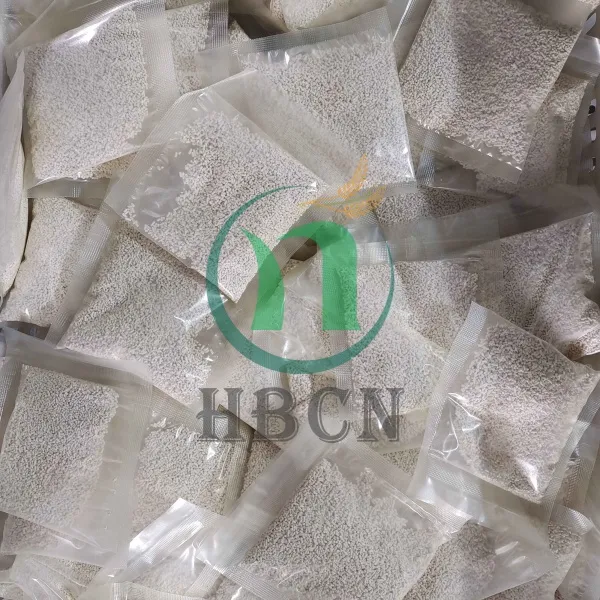
| Packaging | 1 kg foil; 10×1 kg carton (customization available) |
| Shelf life | ≈2 years in unopened pack, cool/dry storage |
From plant to pallet: how it’s made and checked
Materials: technical flucarbazone-sodium, dispersants, wetting agents, anti-caking aids, and inert carriers. Method: controlled wet granulation, drying, and calibrated sieving for flowability. Testing (CIPAC/FAO aligned): moisture (≤2%), suspensibility (≥70%), wetting time, pH, particle size distribution, and accelerated storage. Facilities typically operate to ISO 9001/14001; analytical work under OECD GLP where required. Service life: around two seasons in standard storage; always check batch CoA dates. Industries served: cereal producers, input retailers, and custom applicators looking for lean tank mixes.
Application scenarios and advantages
Best fit is early post-emergence in wheat (roughly GS 12–32). It seems that growers value the low use-rate and selectivity on wheat, plus rainfastness trending under a couple of hours. To be honest, resistance stewardship is the real advantage: rotate and/or mix modes—don’t lean solely on Group 2. Internal trials show ≈88–95% control on small wild oats at timely application; late sprays drop that curve. Always follow local labels, of course.
Vendor landscape (quick compare)
| Vendor | Strengths | Certifications | Lead time | Notes |
|---|---|---|---|---|
| CNAGROCHEM (No.1810 Tower B, Jinyuan Building, 152 Huai'an Rd, Yuhua, Shijiazhuang, Hebei, China) | Strong WDG know-how; private label; stable CoAs | ISO 9001/14001; GLP-partner labs | ≈2–4 weeks ex-works | Competitive MOQ and tech support |
| Global A | Broad portfolio, registrations in >40 markets | ISO/GLP/GMP | ≈4–8 weeks | Premium pricing |
| Regional B | Agile logistics, niche mixes | ISO 9001 | ≈1–3 weeks | Limited long-term stability data |
Customization and support
Label/packaging customization, adjuvant co-packs, and region-specific labels are common. Some buyers ask for 500 g packs; others want pallet-mixed SKUs. Tech sheets include CIPAC results and impurity profiles—handy for registrations. For buyers searching agrochemicals pesticides for private label, that flexibility matters more than glossy brochures.
Case study: wheat, North China Plain
A 1,200-ha operation split fields between early and late post. Early post returned around 92% control on wild oats (n=12 field strips) and a 6–8% yield lift versus untreated checks. Late post (weeds >3-leaf) slipped to ~78%. Farmer feedback was blunt: “When we hit it on time, it’s boring—in a good way.” That’s exactly what you want from agrochemicals pesticides.
Compliance, standards, and data
Specs align with FAO/WHO WDG guidance; testing follows CIPAC methods and OECD principles of GLP. Many markets reference EPA/EFSA reviews for risk assessment. Always cross-check local registration status and rotational restrictions; label is law, and—actually—your best agronomic advisor.
References:
1. FAO/WHO Manual on Development and Use of FAO/WHO Specifications for Pesticides – https://www.fao.org/3/i8687en/I8687EN.pdf
2. CIPAC Handbook Methods (e.g., suspensibility, wetting time) – https://www.cipac.org
3. HRAC Mode of Action Classification (ALS inhibitors, Group 2) – https://hracglobal.com
4. OECD Principles of GLP – https://www.oecd.org/chemicalsafety/testing/oecdprinciplesofglp.htm
-
Imidacloprid Olefin – High-Performance Agricultural Pest Control Solutions from CN Agrochemical
NewsDec.09,2025
-
Comprehensive Guide to Imidacloprid Msds - Safe & Effective Pest Control Solutions from CN Agrochem
NewsDec.09,2025
-
Comprehensive Overview of Imidacloprid Mosquito Control for B2B Decision Makers
NewsDec.09,2025
-
Imidacloprid Mosquito: Effective & Sustainable Mosquito Control Solutions for B2B
NewsDec.09,2025
-
Effective Imidacloprid Mite Control for Industrial Agriculture
NewsDec.08,2025
-
Understanding Imidacloprid Mexico: Applications, Benefits & Environmental Impact
NewsDec.08,2025