

Sep . 11, 2025 07:20 Back to list
Beleaf Flonicamid 50 WG: Advanced Aphid & Whitefly Control
Navigating the Modern Agricultural Landscape: Industry Trends in Insecticide Solutions
The global agricultural sector is undergoing a profound transformation, driven by imperatives of food security, environmental sustainability, and operational efficiency. Against this backdrop, advanced pest management solutions, particularly insecticides, are evolving rapidly. Key industry trends include a pivot towards active ingredients with novel modes of action, the development of integrated pest management (IPM) compatible products, and formulations offering enhanced efficacy with reduced environmental footprints. There is a growing demand for broad-spectrum yet highly selective insecticides that can target resistant pest populations while preserving beneficial insects and pollinators.
Moreover, the market for combination products, like beleaf flonicamid, is expanding significantly. These mixtures capitalize on synergistic effects, offering multiple modes of action to mitigate resistance development and provide comprehensive pest control. Regulatory landscapes are also becoming more stringent, necessitating products with robust toxicological profiles and extensive efficacy data. Manufacturers are investing heavily in R&D to meet these challenges, focusing on innovative delivery systems and sustainable production methods.
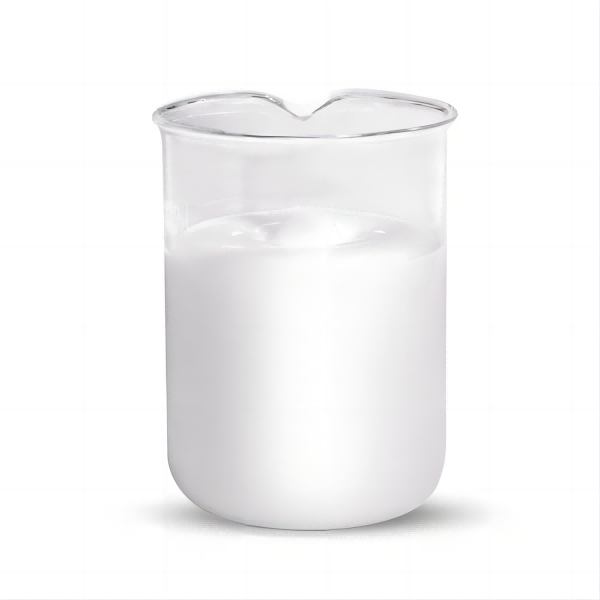
Technical Specifications and Chemical Synergy: Flonicamid 10% + Bifenthrin 5% WG/SC
The formulation of Flonicamid 10% + Bifenthrin 5% as a Wettable Granule (WG) or Suspension Concentrate (SC) represents a sophisticated approach to insect pest management. This combination harnesses the distinct mechanisms of action of two powerful active ingredients:
- Flonicamid: A pyridinecarboxamide insecticide, flonicamid acts as an antifeedant and causes rapid cessation of feeding in susceptible insects, primarily sap-feeding pests like aphids and whiteflies. Its mode of action (IRAC Group 29) involves disruption of chordotonal organ function, leading to starvation and eventual death. It exhibits translaminar movement within plant tissues, providing excellent residual control.
- Bifenthrin: A synthetic pyrethroid insecticide (IRAC Group 3A), bifenthrin targets the insect nervous system by disrupting sodium channel function, leading to rapid knockdown and mortality. It offers broad-spectrum control against a wide range of chewing and sucking insects, including mites, Lepidoptera, Coleoptera, and Hemiptera.
The synergy between these two components in products like beleaf flonicamid is critical. Flonicamid provides systemic and antifeedant action, particularly effective against established sap-feeders, while bifenthrin delivers immediate contact and stomach action, crucial for rapid suppression of diverse pest populations and preventing further crop damage. This dual action significantly enhances efficacy and provides a robust strategy against pest resistance.
Typical Product Specifications for Flonicamid 10% + Bifenthrin 5% WG/SC
The Manufacturing Process of Advanced Flonicamid Formulations
The production of a high-quality insecticide formulation like beleaf flonicamid requires rigorous adherence to chemical engineering principles and stringent quality control protocols. The process flow ensures optimal active ingredient integrity, stability, and bioavailability for field application. This detailed process underpins the reliability and effectiveness of the final product.
Process Flow: Flonicamid 10% + Bifenthrin 5% WG/SC
High-purity technical-grade flonicamid and bifenthrin, along with inert carriers, dispersants, wetting agents, and stabilizers, are sourced from certified suppliers. Incoming materials undergo stringent quality control testing (e.g., GC-MS, HPLC for active ingredient purity, moisture content, particle size distribution) against ISO 9001 standards.
For WG formulations, technical active ingredients are pre-milled to achieve a precise particle size, crucial for optimal dispersion. For SC formulations, ingredients are pre-mixed in a high-shear mixer to create a coarse suspension, ensuring initial homogenization.
SC Production: The coarse suspension undergoes wet milling (e.g., bead milling) to reduce particle size to sub-micron levels, essential for suspension stability and bioavailability. This process ensures the flonicamid and bifenthrin particles are uniformly suspended.
WG Production: The pre-milled dry blend is agglomerated using a spray drying or fluid bed granulation process. This forms uniformly sized, dust-free granules that disperse readily in water.
Additional surfactants, dispersants, antifoaming agents, and antifreeze components (for SC) or binders (for WG) are added and thoroughly blended. This critical step ensures formulation stability, ease of application, and shelf-life, adhering to FAO/WHO specifications for pesticide formulations.
Finished products undergo a comprehensive suite of tests: active ingredient content, pH, suspensibility (SC), dispersibility (WG), wet sieve test, persistent foam, heat stability, cold stability, and biological efficacy trials. Products are released only upon strict compliance with internal and international (e.g., ANSI) standards.
Formulated products are packaged in appropriate container111s (e.g., HDPE bottles for SC, laminated bags for WG) designed to maintain product integrity and safety during storage and transport. Strict adherence to hazardous materials handling and labeling regulations is maintained.
Target industries include broad-acre agriculture (e.g., cereals, cotton, soybeans), horticulture (e.g., fruits, vegetables), and specialty crops. The advantages of this meticulous process include a consistent service life of 2-3 years under recommended storage conditions, enhanced rainfastness due to advanced surfactant systems, and improved worker safety through reduced dust (WG) or precise application (SC).
Application Scenarios and Technical Advantages
The combined action of flonicamid and bifenthrin makes this formulation highly versatile across numerous agricultural contexts. Its efficacy extends to a broad spectrum of economically damaging pests, ensuring robust crop protection and yield preservation.
Typical Application Scenarios:
- Cotton: Highly effective against Cotton Aphids (Aphis gossypii), Whiteflies (Bemisia tabaci), Jassids (Amrasca biguttula biguttula), and Bollworms (e.g., Helicoverpa armigera). The dual mode of action addresses both piercing-sucking and chewing pests, a common challenge in cotton cultivation.
- Vegetables (e.g., Cucumber, Tomato, Potato): Provides excellent control of Green Peach Aphid (Myzus persicae), Potato Leafhopper (Empoasca fabae), Thrips (Frankliniella occidentalis), and Colorado Potato Beetle (Leptinotarsa decemlineata). Flonicamid's systemic action protects new growth, while bifenthrin offers quick knockdown.
- Fruit Trees (e.g., Apples, Pears, Citrus): Manages Apple Aphid (Aphis pomi), Pear Psylla (Cacopsylla pyri), Citrus Leafminer (Phyllocnistis citrella), and various mite species. The product's residual activity is beneficial in long-cycle fruit crops.
- Cereals (e.g., Wheat, Rice): Controls Rice Aphids (Rhopalosiphum padi) and various armyworms. The formulation's stability ensures good coverage and persistence even in challenging field conditions.
Technical Advantages of beleaf flonicamid:
- Dual Mode of Action: Simultaneous attack on distinct physiological pathways (IRAC Groups 29 and 3A) minimizes the risk of resistance development, a critical advantage in sustainable pest management.
- Broad-Spectrum Control: Effectively targets both piercing-sucking pests (aphids, whiteflies, leafhoppers) and chewing pests (bollworms, leaf miners, beetles, mites), offering comprehensive protection with a single application.
- Rapid Antifeedant & Knockdown Effect: Flonicamid causes pests to cease feeding within hours, preventing crop damage, while bifenthrin provides immediate mortality for acute infestations.
- Translaminar & Residual Activity: The systemic properties of flonicamid ensure protection of hidden pests and new growth, while bifenthrin's residual activity offers extended control on leaf surfaces.
- Formulation Stability & User-Friendliness: WG and SC formulations are designed for easy handling, mixing, and application, with excellent dispersibility/suspendability, reducing applicator exposure and ensuring consistent delivery.
- IPM Compatibility: When used judiciously and according to label instructions, the selectivity of flonicamid towards beneficial insects, combined with the strategic application of bifenthrin, can be integrated into broader IPM strategies.
Vendor Comparison and Customized Solutions
When selecting a supplier for advanced agrochemicals like beleaf flonicamid formulations, B2B decision-makers prioritize not only product efficacy but also consistency, technical support, and the ability to provide tailored solutions. A comprehensive vendor comparison should evaluate several critical factors beyond just price per kilogram.
Key Differentiators in Vendor Selection:
Our organization excels in offering highly customized solutions. Recognizing that agricultural challenges are locale-specific, we engage in a collaborative process with our clients. This includes analyzing local pest prevalence, resistance patterns, crop types, climatic conditions, and existing regulatory frameworks. Based on this in-depth analysis, we can develop proprietary combinations, adjust active ingredient ratios (e.g., Flonicamid 10%+Bifenthrin 10% MID, or different bifenthrin percentages with flonicamid), or tailor formulation types (SC, WG, EC) to perfectly match operational needs and maximize field performance. This adaptability is a cornerstone of our B2B value proposition.
Application Case Studies & Performance Metrics
Real-world application demonstrates the tangible benefits of using advanced insecticide solutions like beleaf flonicamid. Our extensive field trials and commercial deployments consistently show superior efficacy and economic returns for our partners.
Case Study 1: Aphid and Whitefly Control in Greenhouse Tomatoes
Client: Large-scale greenhouse tomato producer in the Netherlands.
Challenge: Persistent infestations of Green Peach Aphid (Myzus persicae) and Greenhouse Whitefly (Trialeurodes vaporariorum), showing resistance to conventional neonicotinoids and pyrethroids. Integrated Pest Management (IPM) compatible solution required due to use of beneficial insects.
Solution: Implementation of a targeted spray program using beleaf flonicamid (Flonicamid 10%+Bifenthrin 5% SC) at recommended rates. Applications were timed to coincide with pest population thresholds, balancing knockdown with residual control.
Results:
- Aphid Control: >95% reduction in aphid populations within 72 hours, with sustained control for 14-21 days post-application.
- Whitefly Control: 90% reduction in adult whiteflies and significant suppression of nymphal stages, breaking the life cycle.
- Yield Impact: Prevented an estimated 15-20% yield loss due to pest damage, leading to a net ROI of 4:1 for the insecticide investment.
- Beneficial Insects: Minimal impact on established populations of predatory mites and parasitic wasps, confirming IPM compatibility when applied as directed.
Case Study 2: Bollworm and Jassid Management in Cotton
Client: Large-scale cotton grower in India.
Challenge: High pressure from American Bollworm (Helicoverpa armigera) and Cotton Jassids (Amrasca biguttula biguttula), leading to significant square and boll damage, and reduced plant vigor.
Solution: Integrated approach using beleaf flonicamid (Flonicamid 10%+Bifenthrin 50 WG) as part of a rotational spray program with other modes of action. Two applications were made during the early flowering and boll formation stages.
Results:
- Bollworm Control: >88% reduction in bollworm larval feeding damage compared to untreated control plots.
- Jassid Control: Achieved 92% control of jassid populations, effectively mitigating sucking pest pressure.
- Improved Cotton Quality: Higher percentage of undamaged bolls and improved fiber quality.
- Increased Yield: Average yield increase of 12% across treated fields compared to the previous season's average.
Ensuring Trust: FAQ, Lead Time, Warranty & Support
Transparency and robust support are paramount in B2B relationships. We are committed to providing complete confidence in our products and services, from initial inquiry through long-term partnership.
Frequently Asked Questions (FAQ)
Q1: What is the recommended application rate for Flonicamid 10%+Bifenthrin 5%?
A: Application rates vary by crop, pest pressure, and local regulations. Typically, it ranges from 150-300g per hectare for WG formulations or 100-200ml per hectare for SC formulations. Always refer to the product label specific to your region.
Q2: How does this product manage resistance to other insecticides?
A: The combination of flonicamid (IRAC Group 29) and bifenthrin (IRAC Group 3A) provides two distinct modes of action. This multi-site attack strategy is crucial for mitigating resistance development and effectively controlling pest populations that may have developed resistance to single-active ingredient products.
Q3: Is beleaf flonicamid safe for beneficial insects and pollinators?
A: Flonicamid itself has a favorable profile regarding many beneficial insects. While bifenthrin, like other pyrethroids, can impact beneficials, its application at recommended rates and specific timing can minimize risks. We strongly advocate for integrated pest management (IPM) practices, including precise application and avoiding sprays during peak pollinator activity, to protect non-target organisms.
Q4: What is the shelf life of your Flonicamid + Bifenthrin formulations?
A: Under proper storage conditions (cool, dry, away from direct sunlight), our formulations maintain stability and efficacy for a minimum of two (2) years from the date of manufacture.
Lead Time & Fulfillment
Our standard lead time for factory supply orders of Flonicamid 10%+Bifenthrin 5% (WG/SC) is typically 15-25 business days from order confirmation and receipt of payment, depending on order volume and current production schedules. For customized formulations or large-scale projects, lead times will be mutually agreed upon based on the complexity and raw material availability. We operate a robust supply chain network to ensure timely and efficient delivery worldwide, with full tracking capabilities.
Warranty Commitments
We stand behind the quality and efficacy of our products. All Flonicamid 10%+Bifenthrin 5% products are warranted to conform to the chemical description on the label and are reasonably fit for the purposes stated, when used in accordance with the directions under normal conditions of use. This warranty covers active ingredient content, physical-chemical properties, and packaging integrity for the stated shelf life. Our liability is limited to the purchase price of the product, in line with industry standards. Full warranty details are available upon request.
Customer Support & After-Sales Service
Our commitment to our partners extends beyond product delivery. We provide comprehensive after-sales support, including:
- Technical Advisory: Access to our team of experienced agronomists and chemical engineers for application guidance, resistance management strategies, and troubleshooting.
- Regulatory Assistance: Support in navigating regional product registration requirements and data submission for beleaf flonicamid.
- Quality Assurance Feedback: A dedicated channel for any product-related inquiries or concerns, ensuring swift and effective resolution.
- Ongoing Training: Educational resources and training sessions for your technical teams on optimal product usage and pest management best practices.
We pride ourselves on responsive communication and building long-term, trusted partnerships that drive mutual success in agricultural productivity.
References
- International Union of Pure and Applied Chemistry (IUPAC) Agrochemicals Database. Flonicamid.
- Insecticide Resistance Action Committee (IRAC) Mode of Action Classification Scheme, Version 9.4. Flonicamid (Group 29), Bifenthrin (Group 3A).
- Food and Agriculture Organization of the United Nations (FAO) and World Health Organization (WHO) Specifications for Pesticides.
- Crop Protection Handbook, Meister Media Worldwide, 2023 Edition.
- Journal of Economic Entomology, various articles on synergistic effects of insecticides.
-
Imidacloprid Olefin – High-Performance Agricultural Pest Control Solutions from CN Agrochemical
NewsDec.09,2025
-
Comprehensive Guide to Imidacloprid Msds - Safe & Effective Pest Control Solutions from CN Agrochem
NewsDec.09,2025
-
Comprehensive Overview of Imidacloprid Mosquito Control for B2B Decision Makers
NewsDec.09,2025
-
Imidacloprid Mosquito: Effective & Sustainable Mosquito Control Solutions for B2B
NewsDec.09,2025
-
Effective Imidacloprid Mite Control for Industrial Agriculture
NewsDec.08,2025
-
Understanding Imidacloprid Mexico: Applications, Benefits & Environmental Impact
NewsDec.08,2025