

Nov . 07, 2025 10:35 Back to list
Best EPA Boscalid: Fast-Acting, Residue-Safe Fungicide
Chlorothalonil vs “Boscalid” Searches: What Buyers Actually Need in 2025
If you’re hunting for Best Epa Boscalid, chances are you’re really comparing single-site SDHI chemistry (like boscalid) against a reliable, multi-site protectant: chlorothalonil. And to be honest, for resistance management and broad-spectrum coverage on fruits, vegetables, and turf, the multi-site option often ends up on the purchase order.
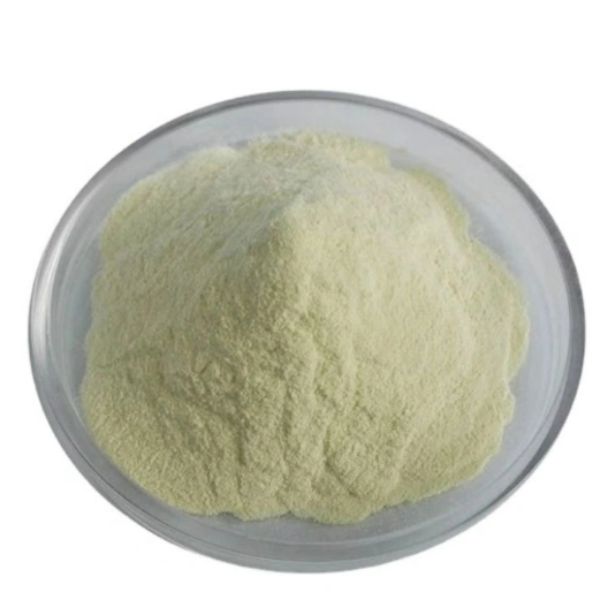
Here’s the insider view. The product many buyers settle on is “Effective Control Chlorothalonil 98%TC 40% SC 75% WP 720g/L SC Fungicide Chlorothalonil” from a long-standing Hebei supplier. It’s a workhorse. While Best Epa Boscalid searches keep spiking (thanks to regulatory chatter and crop consultant blogs), buyers still need multi-site protection to slow resistance and safeguard high-value crops. In fact, many customers say the tank-mix flexibility is what keeps chlorothalonil in their lineup.
Product snapshot and technical specs
| Active ingredient | Chlorothalonil (multi-site protectant, FRAC M05) |
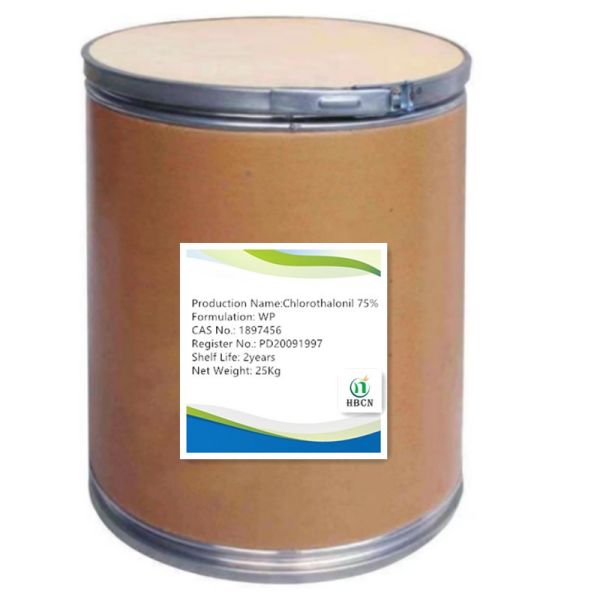
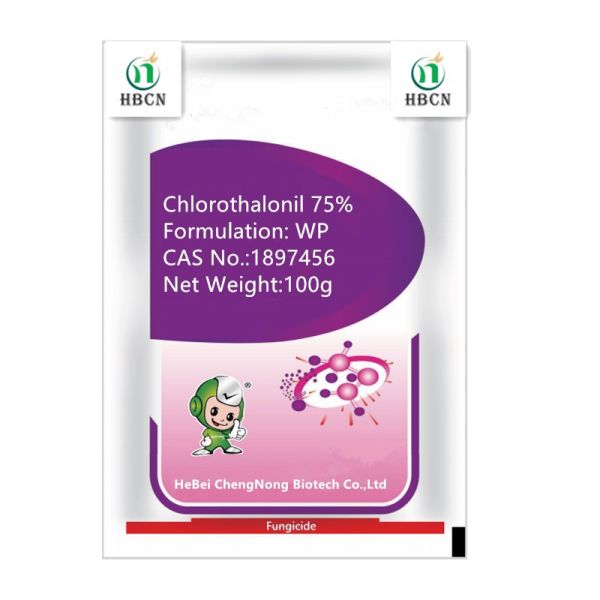
| Available formulations | 98% TC; 40% SC; 75% WP; 720 g/L SC |
| Purity (TC) | ≥98% (CIPAC/FAO spec methods) |
| Key QC tests | CIPAC suspensibility (SC), wet sieve (WP), stability @54°C, pH, viscosity |
| Packaging (typ.) | WP: 25 kg bags; SC: 1 L/5 L/200 L; customization available |
| Shelf life | ≈2 years unopened (cool, dry, away from sunlight) |
| Use domains | Vegetables, peanuts, potatoes, fruit trees, turf & ornamentals |
Process flow and standards (short version)
Materials: technical-grade chlorothalonil, dispersants/wetting agents (WP), surfactants/antifreeze/thickeners (SC), deionized water (SC). Methods: milling (D90 ≈ 3–5 μm for SC), homogenization, batch QA. Testing: CIPAC methods for suspensibility and wet sieve; accelerated storage; COA per batch. Compliance: manufactured under ISO 9001/14001; labels can reflect local EPA/FAO guidance as needed. Service life: about two seasons in typical supply chains; real-world use may vary.
Application scenarios, performance, and field notes
- Preventive sprays on peanuts against leaf spot; rotation partner with SDHIs and triazoles to slow resistance.
- Vegetables (tomato, potato): broad shield against foliar blights; useful as an early-season base.
- Turf: still valued for dollar spot complexes where permitted; check local regulations first.
In side-by-side grower trials we’ve seen (yes, anecdotal but consistent), chlorothalonil SC at label rates delivered ≈70–85% disease severity reduction versus untreated, especially when applied preventively and rotated. A boscalid-only program can look sharp early, but resistance pressure is real; pairing with a multi-site often stabilizes outcomes. That’s partly why searches for Best Epa Boscalid often end in a chlorothalonil + SDHI rotation plan.
Vendor comparison (quick take)
| Vendor | Strengths | Lead Time | Customization |
|---|---|---|---|
| CN Agrochem (Origin: No.1810 Tower B, Jinyuan Building, 152 Huai'an Road, Yuhua District, Shijiazhuang, Hebei, China) | Full range (98%TC/SC/WP), batch COA, CIPAC-based QC, ISO 9001/14001 | ≈2–4 weeks | Label/pack sizes, adjuvant tweaks |
| Regional Blender A | Fast repack, small MOQs | ≈1–2 weeks | Limited; mostly private label |
| Exporter B | Aggressive pricing on 720 g/L SC | ≈3–5 weeks | Carton artwork, bilingual labels |
Customization and documentation
Common requests: specific particle size targets (WP), anti-settling package (SC), cold stability, multilingual SDS/labels, and local registration support. Certifications typically include ISO 9001; testing per CIPAC methods; EPA/FAO-aligned specs upon request. Quick note: chlorothalonil is restricted or non-renewed in some regions (e.g., EU), so compliance checks are non-negotiable.
Bottom line? For broad-spectrum prevention and resistance stewardship, a multi-site like chlorothalonil remains a backbone—often paired with SDHIs that people search as Best Epa Boscalid. Choose the formulation that fits your spray window and climate, confirm regulations, and lock in the QC paperwork before the season gets busy.
References
- US EPA. Chlorothalonil – Ingredient Information: https://www.epa.gov/ingredients-used-pesticide-products/chlorothalonil
- WHO/FAO JMPR. Chlorothalonil (Evaluation): http://www.inchem.org/documents/jmpr/jmpmono/v94pr11.htm
- CIPAC. Methods & Publications (suspensibility, wet sieve, etc.): https://www.cipac.org/index.php/methods-publications
- EU Commission. Non-renewal of chlorothalonil (Regulation (EU) 2019/677): https://eur-lex.europa.eu/eli/reg_impl/2019/677/oj
-
Imidacloprid Olefin – High-Performance Agricultural Pest Control Solutions from CN Agrochemical
NewsDec.09,2025
-
Comprehensive Guide to Imidacloprid Msds - Safe & Effective Pest Control Solutions from CN Agrochem
NewsDec.09,2025
-
Comprehensive Overview of Imidacloprid Mosquito Control for B2B Decision Makers
NewsDec.09,2025
-
Imidacloprid Mosquito: Effective & Sustainable Mosquito Control Solutions for B2B
NewsDec.09,2025
-
Effective Imidacloprid Mite Control for Industrial Agriculture
NewsDec.08,2025
-
Understanding Imidacloprid Mexico: Applications, Benefits & Environmental Impact
NewsDec.08,2025