

Oct . 22, 2025 12:15 Back to list
Hi Yield Malathion – Fast, Broad-Spectrum Insect Control
Field Notes on Hi Yield Malathion: What Buyers Really Ask
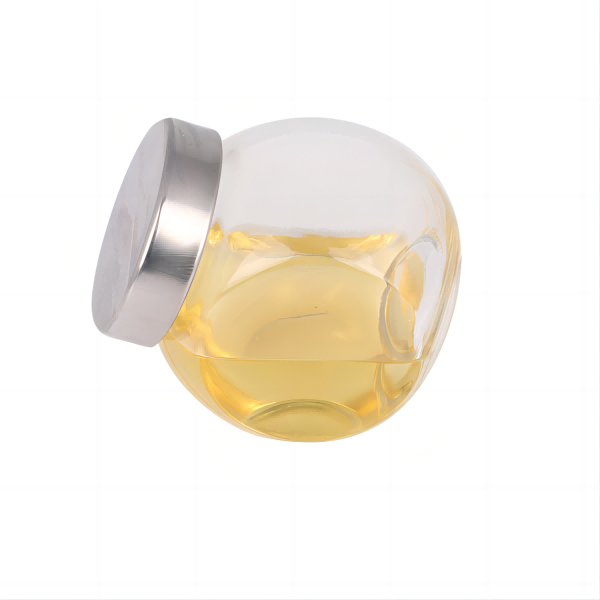
If you manage orchards or row crops, you’ve probably heard plenty about organophosphates—sometimes praise, sometimes side‑eye. To be honest, that mixed buzz is exactly why I looked closely at Hi Yield Malathion (95% TC; 55–57% EC) coming out of Hebei, China. It’s a familiar active ingredient (IRAC Group 1B) with a surprisingly modern supply chain and, yes, real customization options.
What’s inside and how it’s made (short version)
The technical concentrate (TC ≈95% a.i.) and emulsifiable concentrates (EC 55–57% a.i.) are produced using organophosphate synthesis routes that couple O,O-dimethyl phosphorodithioate derivatives with a succinate backbone—then purified. In practice: solvent selection, controlled temperature reaction, phase separation, carbon treatment, and multi‑step filtration. Typical QC uses GC for assay/impurities (malaoxon monitored), HPLC confirmation, density/viscosity checks, and CIPAC methods for emulsion stability and persistent foaming.
Testing standards referenced by serious buyers include: FAO/WHO specifications for malathion, CIPAC MT tests for EC quality, and GLP-conformant data packages. Service life is usually around 2 years in original, unopened containers (cool, dry, sun‑protected)—real‑world use may vary.
Why choose Hi Yield Malathion now?
- Broad‑spectrum insect control for fruit, vegetables, oilseeds, and plantation crops- Known mode of action (acetylcholinesterase inhibitor), helpful in rotation strategies
- EC stability is solid when formulated right; dealers say emulsification is “predictable,” even in hard water
- Sensible lead times from Hebei (No.1810 Tower B, Jinyuan Building, 152 Huai'an Road, Yuhua District, Shijiazhuang City, China)
Product specifications (typical)
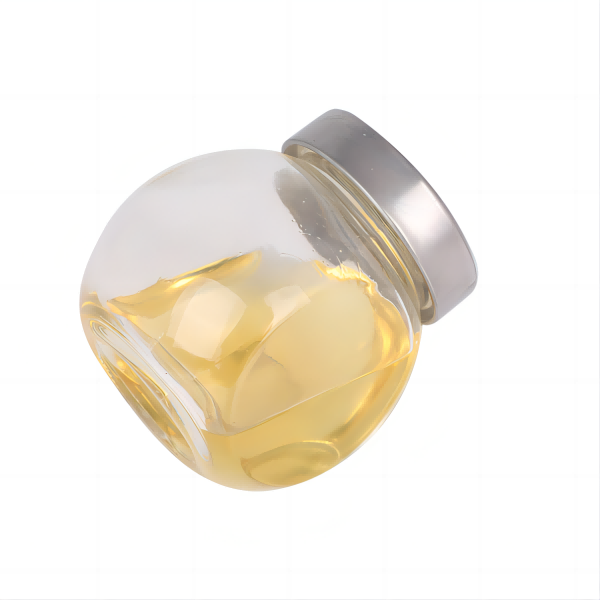
| Item | Spec (≈) | Notes |
| Active ingredient (TC) | ≈95% w/w | GC assay; impurities profiled |
| Formulation (EC) | 55% or 57% w/w | CIPAC emulsion stability |
| Solvent system | Aromatic/aliphatic blend | Customizable by region |
| pH (1% in water) | ≈5–7 | Formulation‑dependent |
| Shelf life | ~24 months | If stored properly; local tests advised |
Vendor landscape (simplified buyer’s view)
| Vendor | Formulations | MOQ/Lead time | QC/Certs | Price level (≈) |
| Hi Yield Malathion supplier (Hebei) | 95% TC; 55/57% EC | Around 1–2 t / 2–4 weeks | CIPAC/FAO refs; GLP data on request | Competitive |
| Regional blender | Mostly EC | Lower MOQ / faster | Local compliance only | Mid |
| Trading house | Varies | Depends | Mixed documentation | Varies |
Note: real-world performance and paperwork depth can vary; always request batch CoAs, stability data, and labels for your jurisdiction.
Applications, customization, and field feedback
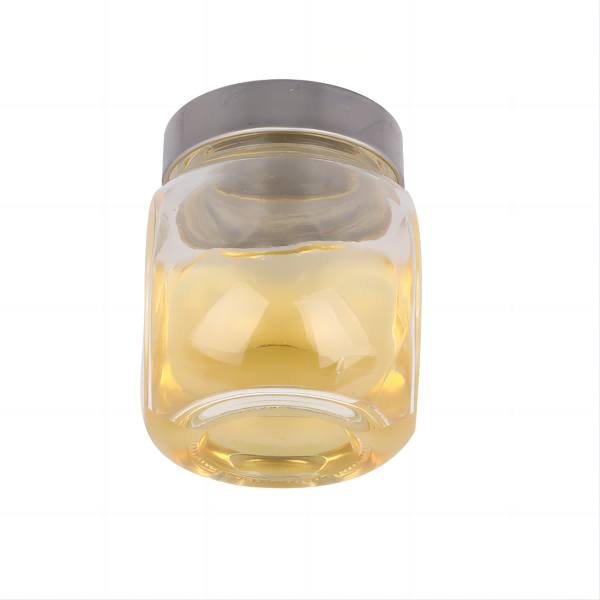
Use cases: orchards (citrus, stone fruit), vegetables, cotton, oilseeds, and, in some regions, public health vectors (regulatory dependent). Many customers say the 57% EC emulsifies quickly and rinses out of sprayers without drama—a small but meaningful operational win.
Customization: solvent systems tuned for local climate, anti‑oxidants for malaoxon control, surfactant packages for hard water, and packaging from 100 mL retail to 200 L drums. Labels are localized after you supply registration text.
Process flow and QA snapshot
Materials: technical malathion, premium solvents, non‑ionic/anionic emulsifiers. Methods: controlled synthesis, filtration, polishing, blending, in‑process GC checks. Testing: CIPAC emulsion stability, acidity, flash point; GC for a.i. content/impurities; accelerated stability at elevated temperatures. Compliance targets: FAO/WHO specs, GLP study formats, and local MRL/label rules. Always follow the registered label—rates and PHIs are jurisdiction‑specific.
Mini case study (realistic scenario)
A 120‑ha citrus block switched to Hi Yield Malathion EC during peak aphid pressure. After two well‑timed sprays in rotation with a different MoA, scouts reported noticeably cleaner flushes within a week and fewer honeydew patches. Not a controlled trial, but the manager said re‑entry scheduling and tank mix were “uneventful”—which is what you want.
What to request before purchase
- Recent CoA and GC chromatograms for the specific batch
- CIPAC emulsion stability results (heat/cold cycles)
- Shelf‑life data (real-time and accelerated)
- SDS, draft labels, and confirmation of registration status where you sell
- Proof of GLP for toxicology packages and alignment with FAO/WHO specs
Citations
- U.S. EPA. Malathion – Ingredient Information: https://www.epa.gov/ingredients-used-pesticide-products/malathion
- IRAC Mode of Action Classification (Group 1B): https://irac-online.org/modes-of-action/
- CIPAC Methods and Publications (Formulation testing): https://www.cipac.org/index.php/methods-publications
- OECD Good Laboratory Practice (GLP): https://www.oecd.org/chemicalsafety/testing/good-laboratory-practiceglp.htm
-
Imidacloprid Olefin – High-Performance Agricultural Pest Control Solutions from CN Agrochemical
NewsDec.09,2025
-
Comprehensive Guide to Imidacloprid Msds - Safe & Effective Pest Control Solutions from CN Agrochem
NewsDec.09,2025
-
Comprehensive Overview of Imidacloprid Mosquito Control for B2B Decision Makers
NewsDec.09,2025
-
Imidacloprid Mosquito: Effective & Sustainable Mosquito Control Solutions for B2B
NewsDec.09,2025
-
Effective Imidacloprid Mite Control for Industrial Agriculture
NewsDec.08,2025
-
Understanding Imidacloprid Mexico: Applications, Benefits & Environmental Impact
NewsDec.08,2025