

Sep . 13, 2025 04:09 Back to list
MCPA Herbicides - HEBEI CHENGNONG BIOTECH|Precision Weed Control, Environmental Safety
As global agricultural demands continue to rise, the need for effective and sustainable weed management solutions has never been more critical. MCPA (2-methyl-4-chlorophenoxyacetic acid)-based herbicides have emerged as a cornerstone in modern crop protection, offering targeted control of broadleaf weeds while minimizing risks to crops like maize. This article provides an in-depth analysis of the MCPA-isooctyl 85% EC, MCPA 750g/l SL, and MCPA 62% SL herbicides, their technical specifications, applications, and the industry-leading company behind them, HEBEI CHENGNONG BIOTECH CO., LTD.
Product Introduction: A Selective Herbicide for Precision Agriculture
The MCPA herbicides are a class of phenoxycarboxylic acid-based selective herbicides designed to target annual broadleaf weeds in maize fields. Their unique formulation allows for strong endosmosis conductivity, enabling rapid absorption through the plant's cuticle and cell membrane. Once absorbed, the active ingredient is translocated throughout the weed's vascular system, leading to systemic toxicity and eventual plant death. This mechanism ensures high efficacy against a wide range of weeds including Amaranthus species, Chenopodium album, Pigweed, Wild Rape, and Ragweed.
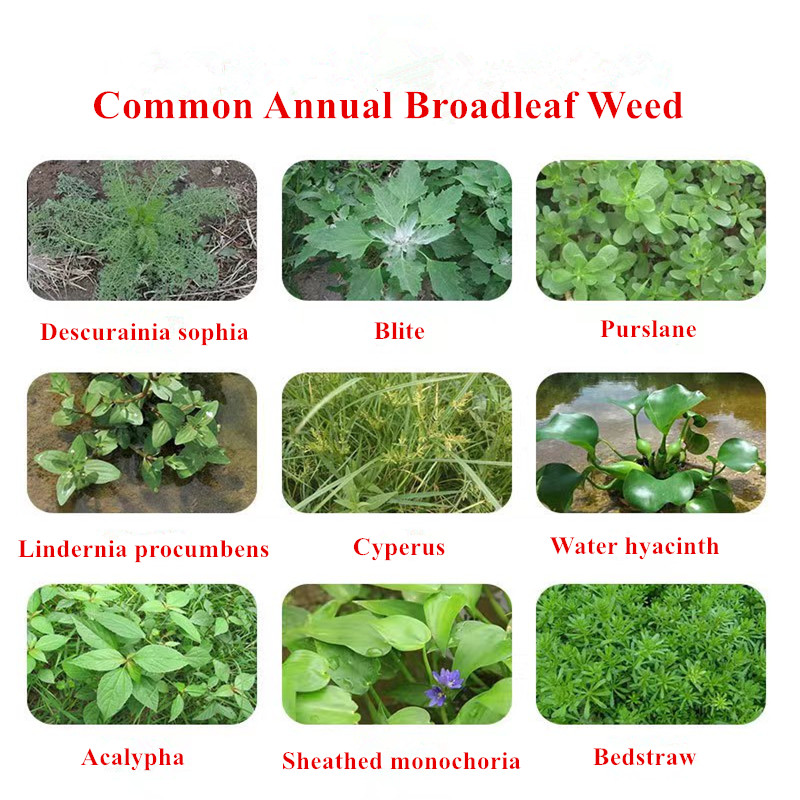
Figure 1: Visual representation of MCPA-isooctyl 85% EC herbicide formulation
Key Features and Advantages
- Targeted Weed Control: Specifically formulated to eliminate annual broadleaf weeds without harming maize crops.
- Fast-Acting: Rapid absorption and translocation ensure quick weed suppression, reducing competition for nutrients and water.
- Environmental Safety: Low toxicity to non-target organisms when applied according to guidelines.
- Cost-Effective: Efficient application rates (18-26ml/mu) minimize usage while maximizing results.
- Regulatory Compliance: Manufactured to meet international agricultural standards for pesticide safety and efficacy.
Technical Specifications: Precision in Every Drop
| Product | Active Ingredient | Concentration | Formulation | Application Rate | Target Weeds |
|---|---|---|---|---|---|
| MCPA-isooctyl 85% EC | MCPA | 85% | Emulsifiable Concentrate | 18-26ml/mu | Annual broadleaf weeds |
| MCPA 750g/l SL | MCPA | 750g/l | Solution | 18-26ml/mu | Annual broadleaf weeds |
| MCPA 62% SL | MCPA | 62% | Solution | 18-26ml/mu | Annual broadleaf weeds |
Applications: Tailored for Maize Field Management
The MCPA herbicides are specifically recommended for maize field seedlings during the critical growth stages of 3–5 leaves for corn and 2–6 leaves for weeds. The application method involves mist spraying on stems and leaves, ensuring even coverage and optimal absorption. Key application guidelines include:
- Timing: Apply during the early growth stages of weeds for maximum efficacy.
- Weather Conditions: Avoid spraying on windy or rainy days to prevent drift and runoff.
- Rotation: Limit use to one application per growing season to prevent resistance development.
- Precautions: Avoid contact with sensitive crops like cotton, potatoes, and fruit trees.
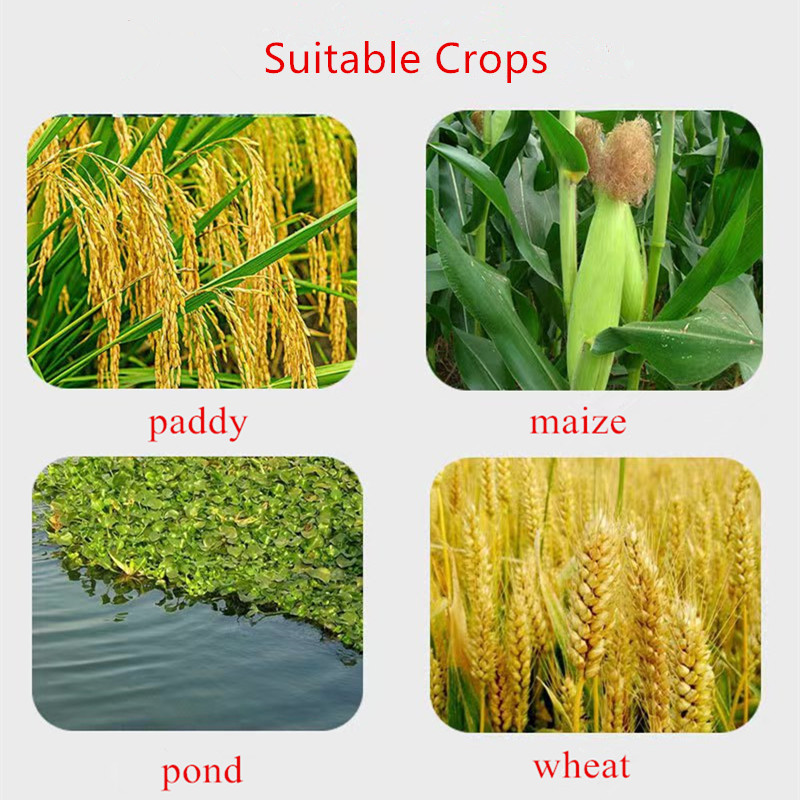
Figure 2: Comparative analysis of MCPA formulations and their target weeds
Storage and Transportation: Ensuring Product Integrity
Proper storage and handling are critical to maintaining the potency and safety of MCPA herbicides. Key requirements include:
- Storage Conditions: Keep in a cool, ventilated, and dry place, away from direct sunlight and moisture.
- Compatibility: Do not store or transport with food, beverages, or personal items.
- Child Safety: Store out of reach of children and pregnant/nursing women.
- Disposal: Dispose of used container111s responsibly; do not repurpose them.

Figure 3: Storage and transportation guidelines for MCPA herbicides
About the Manufacturer: HEBEI CHENGNONG BIOTECH CO., LTD.
As a leading agrochemical manufacturer, HEBEI CHENGNONG BIOTECH CO., LTD. has established itself as a trusted supplier of high-quality agricultural solutions. Located in the Cangzhou Economic and Technological Development Zone, the company operates a 80,000-square-meter manufacturing facility equipped with advanced production lines and state-of-the-art equipment. With over 20 years of industry expertise, the company focuses on agrochemicals, farm machinery tools, and packaging materials, offering a comprehensive range of products including:
- Insecticides: Imidacloprid, Acetamiprid, Thiamethoxam
- Fungicides: Difenoconazole, Azoxystrobin, Boscalid
- Herbicides: Glyphosate, Paraquat, Glufosinate Ammonium
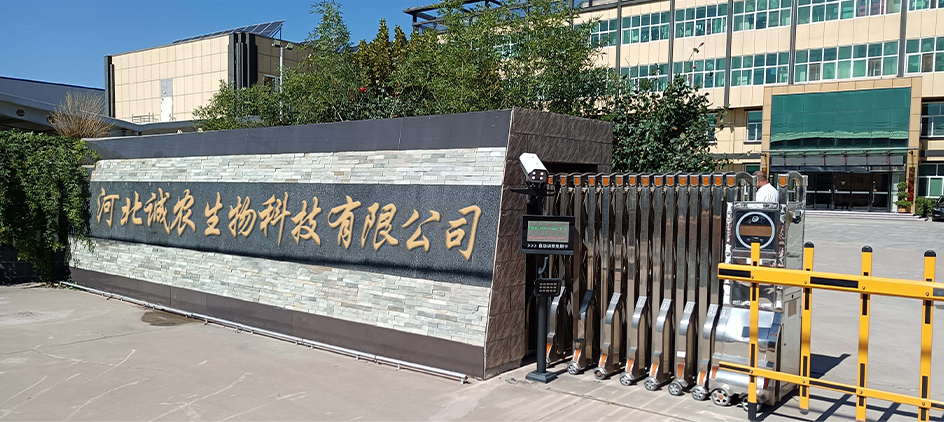
Figure 4: Manufacturing facilities of HEBEI CHENGNONG BIOTECH CO., LTD.
Industry Recognition and Certifications
HEBEI CHENGNONG BIOTECH CO., LTD. has earned numerous accolades for its commitment to quality and innovation. The company’s products are certified by international standards, including ISO 9001 and compliance with U.S. Environmental Protection Agency (EPA) regulations. Their dedication to research and development ensures that their formulations meet the evolving needs of modern agriculture.
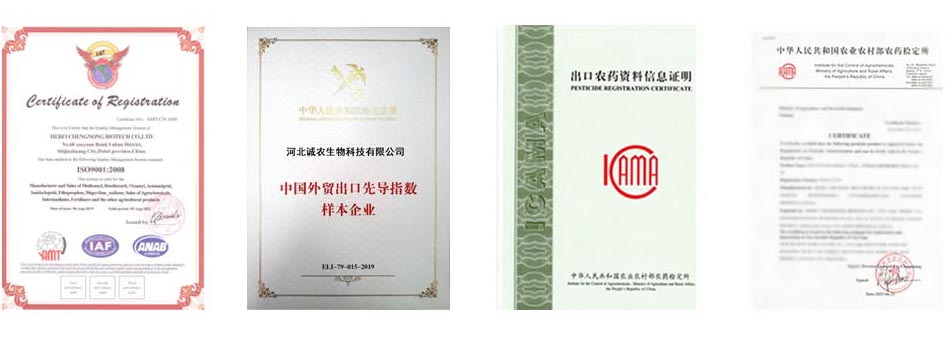
Figure 5: Certifications and honors received by HEBEI CHENGNONG BIOTECH CO., LTD.
Expert Insights: The Role of Herbicides in Sustainable Agriculture
According to the National Institute of Standards and Technology (NIST), "Precision agricultural technologies, including targeted herbicides, play a vital role in enhancing crop yields while reducing environmental impact" (NIST, 2023). The MCPA herbicides exemplify this principle by minimizing chemical use through selective action, aligning with global sustainability goals.
Reference: National Institute of Standards and Technology (NIST)
Conclusion: A Trusted Solution for Modern Farmers
The MCPA herbicides from HEBEI CHENGNONG BIOTECH CO., LTD. represent a blend of scientific innovation and practical application in agricultural pest management. With their targeted efficacy, environmental safety, and compliance with international standards, these products are ideal for farmers seeking to optimize crop yields while minimizing ecological footprints. For more information, visit the official website or explore the product page.
Additional Resources
-
Imidacloprid Olefin – High-Performance Agricultural Pest Control Solutions from CN Agrochemical
NewsDec.09,2025
-
Comprehensive Guide to Imidacloprid Msds - Safe & Effective Pest Control Solutions from CN Agrochem
NewsDec.09,2025
-
Comprehensive Overview of Imidacloprid Mosquito Control for B2B Decision Makers
NewsDec.09,2025
-
Imidacloprid Mosquito: Effective & Sustainable Mosquito Control Solutions for B2B
NewsDec.09,2025
-
Effective Imidacloprid Mite Control for Industrial Agriculture
NewsDec.08,2025
-
Understanding Imidacloprid Mexico: Applications, Benefits & Environmental Impact
NewsDec.08,2025