

Sep . 09, 2025 19:40 Back to list
Hi Yield Malathion: Powerful 55% & 57% EC Insecticide
Introduction to Advanced Crop Protection: The Efficacy of hi yield malathion
In the challenging landscape of modern agriculture, effective pest management is paramount for ensuring crop yield, quality, and food security. Among the array of agrochemicals available, malathion stands as a foundational organophosphate insecticide, widely recognized for its broad-spectrum efficacy and versatility. Our focus herein is on the advanced formulations, specifically the hi yield malathion series, encompassing formulations like hi yield malathion 55, malathion 57% EC (Emulsifiable Concentrate), and malathion 95% TC (Technical Concentrate). These products are engineered to deliver superior crop protection against a diverse range of agricultural pests, catering to the exacting demands of B2B agricultural enterprises, distributors, and large-scale farming operations.
The strategic deployment of high-performance insecticides like malathion is critical for mitigating economic losses caused by insect infestations. With increasing global demand for sustainable and efficient agricultural practices, understanding the technical specifications, application methodologies, and inherent advantages of premium pesticides becomes indispensable. This comprehensive article delves into the intricate details of hi yield malathion, providing a technical perspective on its manufacturing, application, and strategic value in contemporary crop protection programs.
Industry Trends and Market Dynamics for Organophosphate Pesticides
The global pesticide market is a dynamic sector, characterized by continuous innovation, stringent regulatory frameworks, and evolving pest resistance patterns. Organophosphate insecticides, including malathion, continue to hold a significant market share due to their proven effectiveness, cost-efficiency, and broad utility across various crop types. Recent trends indicate a growing demand for advanced formulations that offer enhanced efficacy, reduced environmental impact, and improved user safety profiles.
Key market drivers include:
- Increasing Global Food Demand: The burgeoning world population necessitates maximizing agricultural output, making effective pest control indispensable.
- Emergence of Pest Resistance: Constant development of new and rotation-friendly active ingredients, like high-quality hi yield malathion, is crucial to combat evolving pest resistances.
- Precision Agriculture: Integration of advanced pesticides with precision farming techniques optimizes application rates and reduces waste.
- Regulatory Landscape: While facing increasing scrutiny, established and well-researched active ingredients like malathion, when produced to high standards (e.g., malathion 95% tc), maintain their relevance through adherence to international safety and environmental guidelines.
The market for organophosphates is projected to grow, albeit with a shift towards more sophisticated formulations and integrated pest management (IPM) strategies. This emphasizes the importance of products like hi yield malathion that offer reliability and performance within these evolving paradigms.
Manufacturing Process: Ensuring the Potency of Hi Yield Malathion
The production of high-grade hi yield malathion formulations involves a sophisticated chemical synthesis and formulation process, strictly adhering to international quality standards. Unlike mechanical components, pesticide manufacturing focuses on chemical reactions, purification, and precise blending to achieve optimal biological activity and stability.
Process Flow for Malathion Production (Illustrative Schematic)
- Raw Material Procurement & Pre-treatment: Sourcing of high-purity intermediates such as phosphorus pentasulfide (P2S5), diethyl maleate, and methanol. Quality checks are performed to ensure adherence to specified purity levels.
- Intermediate Synthesis (Diethyl Dithiophosphoric Acid): Reaction of P2S5 with ethanol or methanol under controlled conditions to form diethyl dithiophosphoric acid. This is a critical step, requiring precise temperature and pressure management.
- Esterification & Addition Reaction: The synthesized dithiophosphoric acid is then reacted with diethyl maleate. This addition reaction forms the crude malathion ester, which is the foundational compound for malathion 95% tc.
- Purification & Refinement: The crude product undergoes multiple purification steps, typically involving distillation, solvent extraction, and filtration, to remove impurities and unwanted by-products. This ensures the high purity of the malathion 95% tc technical grade.
-
Formulation (e.g., 57% EC, 55 EC):
- For Emulsifiable Concentrates (EC), the purified malathion 95% tc is blended with emulsifiers, co-solvents, and stabilizers. The precise ratio determines the final concentration, such as malathion 57% ec or hi yield malathion 55.
- This blending process is critical for achieving optimal emulsification properties, ensuring stable dispersion in water during application.
-
Quality Control & Testing: Throughout the entire process, rigorous quality control checks are performed. This includes:
- Chemical Purity Analysis: Using Gas Chromatography (GC) and High-Performance Liquid Chromatography (HPLC) to verify active ingredient concentration.
- Physical Properties Testing: pH, specific gravity, viscosity, and emulsion stability tests for EC formulations.
- Impurities Profiling: Ensuring levels of undesirable by-products are below regulatory thresholds.
- Storage Stability Tests: To determine shelf life and product integrity under various conditions.
- Packaging & Labeling: Finished products are packaged in approved container111s, clearly labeled with product information, safety instructions, and regulatory compliance data.
Adherence to international standards like ISO 9001 for quality management and FAO/WHO guidelines for pesticide specifications is paramount. The meticulous execution of these steps ensures the production of a reliable and highly effective hi yield malathion, with a typical service life (shelf life) of 2-3 years under appropriate storage conditions, maintaining its pesticidal potency.
Target industries for these high-performance malathion formulations primarily include large-scale agriculture, horticulture, public health pest control, and professional landscape management. Advantages in typical application scenarios include broad-spectrum control, rapid knockdown effect, and compatibility with various spray equipment, leading to efficient pest eradication and improved crop health.
Technical Specifications and Product Data Visualization
Understanding the precise technical parameters of hi yield malathion is crucial for its effective and safe application. Our formulations are characterized by high purity and optimized physical-chemical properties, ensuring superior performance in diverse agricultural settings.
Product Specification Table: Hi Yield Malathion 95% TC
| Parameter | Specification (95% TC) | Method |
|---|---|---|
| Active Ingredient Content (Malathion) | ≥ 95.0% (w/w) | GC Analysis (CIPAC 1.2/MT 173) |
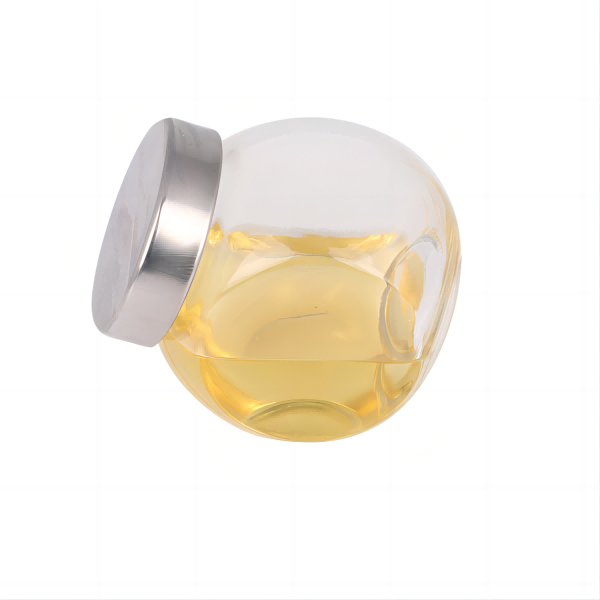
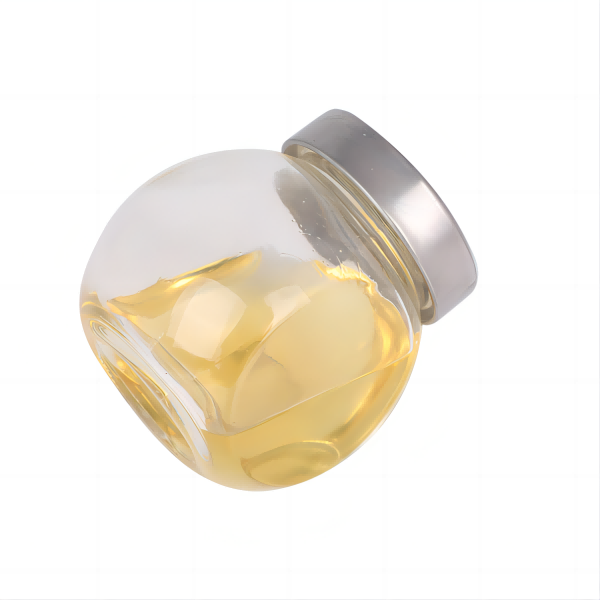
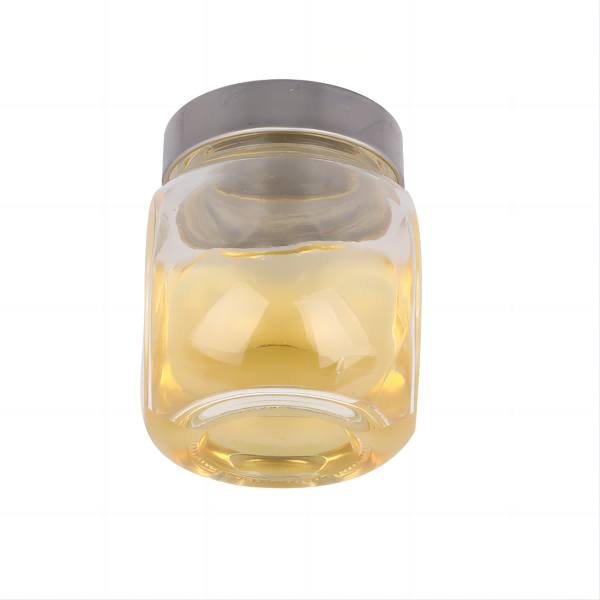
| Appearance | Clear, amber liquid | Visual |
| Acidity (as H2SO4) | ≤ 0.5% | CIPAC MT 31 |
| Water Content | ≤ 0.5% | Karl Fischer Method (CIPAC MT 30) |
| Specific Gravity (20°C) | 1.23 – 1.24 g/mL | Pycnometer |
| Vapor Pressure (25°C) | 5.3 x 10⁻³ Pa | OECD Test Guideline 104 |
| Solubility in Water (25°C) | 145 mg/L | OECD Test Guideline 105 |
| Flash Point | > 160°C | Closed Cup Method (ASTM D93) |
Product Comparison Table: Malathion 57% EC vs. 95% TC
| Feature | Malathion 95% TC (Technical Concentrate) | Malathion 57% EC (Emulsifiable Concentrate) |
|---|---|---|
| Active Ingredient Concentration | Very High (≥95%) | High (57%) |
| Formulation Type | Technical Grade (for further formulation) | Ready-to-use concentrate (mix with water) |
| Primary Use | Raw material for pesticide manufacturers, formulators | Direct agricultural application by end-users/farmers |
| Handling & Safety | Requires specialized facilities and PPE for handling | Requires standard PPE for pesticide handling, easier for field application |
| Cost-effectiveness | Lower unit cost per AI, ideal for bulk purchase and formulation | Higher unit cost per AI, but convenient for direct use |
| Storage Requirements | Cool, dry, well-ventilated area, away from direct sunlight and heat. | Similar, but also consider stability of emulsifiers over time. |
Application Scenarios and Technical Advantages of Hi Yield Malathion
Hi yield malathion, in its various formulations, offers a versatile solution for combating a wide spectrum of insect pests across diverse agricultural and public health domains. Its mode of action as a cholinesterase inhibitor effectively disrupts the nervous system of insects, leading to paralysis and death. This broad-spectrum activity, coupled with its relatively short residual life and lower mammalian toxicity compared to some other organophosphates, makes it a preferred choice in many pest management programs.
Typical Application Scenarios:
- Field Crops: Effective against aphids, spider mites, leafhoppers, thrips, and various beetles in crops like cotton, corn, soybeans, and cereals. For large-scale operations, hi yield malathion 55 or 57% EC offers efficient coverage.
- Fruit and Vegetable Production: Controls fruit flies, scale insects, mealybugs, and caterpillars in orchards (e.g., citrus, pome fruits), vineyards, and vegetable fields.
- Ornamentals and Nurseries: Manages a range of pests on ornamental plants, trees, and shrubs, ensuring aesthetic quality and plant health.
- Stored Grains and Seeds: Applied as a protectant against stored product insects like weevils and moths, safeguarding post-harvest losses.
- Public Health: Used for mosquito control (e.g., adulticiding) and fly control in certain areas, particularly when lower persistence is desired.
- Animal Health: Can be used to control external parasites on livestock, under specific veterinary guidance.
Technical Advantages:
- Broad-Spectrum Efficacy: Controls a wide array of chewing and sucking insects, offering comprehensive protection with a single active ingredient.
- Rapid Knockdown: Provides quick control of active insect populations, reducing immediate crop damage.
- Versatile Formulation: Available as malathion 95% tc for manufacturers, and ready-to-use malathion 57% ec or hi yield malathion 55 for direct application, offering flexibility for different user needs.
- Established Efficacy and Safety Profile: Malathion has a long history of effective and safe use when applied according to label instructions, backed by extensive research and regulatory acceptance by bodies like the EPA and FAO.
- Cost-Effectiveness: Provides a high return on investment through superior pest control and preserved crop yields at a competitive price point.
- Good Compatibility: Can often be integrated into IPM programs and tank-mixed with other pesticides (after compatibility testing) to enhance control or broaden the spectrum.
Vendor Comparison and Customized Solutions
Choosing the right supplier for agricultural inputs is a critical decision for B2B clients. While many vendors offer malathion, differentiation lies in the purity of the technical material, consistency of formulation, adherence to international standards, and the provision of value-added services. Our commitment to producing high-quality hi yield malathion sets us apart.
Key Differentiators in Vendor Selection:
- Purity and Consistency: Our malathion 95% tc consistently exceeds industry benchmarks for active ingredient purity, minimizing inert components and ensuring maximum efficacy.
- Regulatory Compliance: We maintain strict compliance with international manufacturing standards (e.g., ISO 9001) and product safety regulations (e.g., FAO/WHO specifications for pesticides).
- Formulation Expertise: Our malathion 57% ec and hi yield malathion 55 formulations are developed with advanced surfactants and co-solvents to ensure excellent emulsification, sprayability, and rainfastness.
- Supply Chain Reliability: With robust production capabilities and efficient logistics, we guarantee consistent supply and timely delivery, crucial for seasonal agricultural cycles.
- Technical Support: We provide in-depth technical guidance on product application, compatibility, and best practices, empowering our clients to optimize pest control strategies.
Customized Solutions for Specific Needs:
Recognizing that diverse agricultural environments and market demands require tailored approaches, we offer customized solutions:
- Tailored Formulations: For bulk orders, we can work with clients to adjust emulsifier systems or solvent profiles within malathion EC formulations to suit specific climatic conditions, water hardness, or spray equipment requirements.
- Packaging Options: We offer a range of packaging sizes, from bulk container111s for formulators (for malathion 95% tc) to retail-ready packaging for distributors (for malathion 57% ec), including private labeling options.
- Logistics and Regulatory Assistance: Our team assists with navigating international shipping regulations and provides comprehensive documentation required for import/export of agrochemicals.
- Technical Consultation: Our experts provide consultation on developing effective pest management programs that integrate hi yield malathion with other strategies.
Application Case Studies: Proving the Efficacy of Hi Yield Malathion
The real-world performance of hi yield malathion is best demonstrated through successful application case studies, reflecting its reliability and value proposition for our B2B partners. These examples illustrate the product's effectiveness and the tangible benefits it delivers.
Case Study 1: Large-Scale Cotton Aphid Management in Southeast Asia
- Challenge: A large agricultural cooperative managing over 5,000 hectares of cotton fields faced severe infestations of cotton aphids (Aphis gossypii), leading to significant yield losses. Traditional treatments were becoming less effective.
- Solution: The cooperative implemented a pest management program utilizing hi yield malathion 57% ec. Applications were performed at critical growth stages, following local IPM guidelines.
- Results: Post-application surveys revealed a 90-95% reduction in aphid populations within 72 hours. The cotton plants showed improved vigor, and at harvest, the cooperative reported a 15% increase in marketable cotton yield compared to previous seasons, along with a 10% reduction in overall pesticide costs due to the efficacy and value of malathion. This demonstrated the product's rapid knockdown and economic benefits.
Case Study 2: Stored Grain Protection in a Major Silo Facility
- Challenge: A large grain storage facility experienced recurring infestations of rice weevils (Sitophilus oryzae) and lesser grain borers (Rhyzopertha dominica) in their wheat and maize stocks, leading to quality degradation and potential rejection of shipments.
- Solution: Prior to storage, the grain was treated with a protective application of malathion 55, ensuring uniform coverage. The facility also used fogging with malathion in empty silos.
- Results: Inspections over a 6-month storage period showed negligible insect activity in the treated grain, maintaining commodity quality. Compared to previous years, post-storage treatment costs were significantly reduced, and there were no rejections due to insect damage, showcasing the long-term protective capabilities of hi yield malathion in stored product applications.
Customer Feedback Excerpt:
"We've relied on this supplier's hi yield malathion for over five years for our diverse crop portfolio. The consistent quality of their malathion 57% ec is unmatched, providing predictable and robust control against our most problematic pests. Their technical team has also been invaluable in optimizing our spray programs."
Trustworthiness and Support: Our Commitment to Our Partners
Frequently Asked Questions (FAQ)
Q1: What is the primary difference between Malathion 95% TC and 57% EC?
A1: Malathion 95% TC (Technical Concentrate) is a high-purity, unformulated active ingredient primarily intended for manufacturers to formulate into end-use products. Malathion 57% EC (Emulsifiable Concentrate) is a formulated product, containing 57% active ingredient, designed for direct dilution in water and spray application by end-users like farmers.
Q2: What is the shelf life of hi yield malathion?
A2: When stored under recommended conditions (cool, dry, away from direct sunlight), hi yield malathion formulations typically have a shelf life of 2-3 years from the date of manufacture. Always refer to the product label for specific storage instructions and expiration dates.
Q3: Is malathion safe for use on food crops?
A3: Yes, malathion is registered for use on many food crops. It has a relatively low mammalian toxicity and a short residual period, making it suitable for pre-harvest applications with adherence to specified Pre-Harvest Intervals (PHIs). Always follow label instructions for application rates and PHIs to ensure food safety and regulatory compliance.
Q4: Can hi yield malathion be used in organic farming?
A4: No, malathion is a synthetic organophosphate insecticide and is generally not approved for use in certified organic farming systems, which typically rely on natural pest control methods and approved organic pesticides.
Lead Time and Fulfillment
Our streamlined production and logistics ensure efficient order fulfillment. Standard lead times for hi yield malathion products are typically 2-4 weeks for quantities up to 10 metric tons, depending on formulation and packaging requirements. For larger or customized orders, specific lead times will be provided upon inquiry. We maintain robust inventory levels of key raw materials to minimize delays and support seasonal demand fluctuations.
Warranty Commitments
We stand behind the quality of our hi yield malathion products. All products are warranted to conform to the chemical description on the label and are reasonably fit for the purposes stated, provided they are used in accordance with the directions under normal conditions of use. Our warranty covers manufacturing defects for a period of 12 months from the date of purchase. Any claims regarding product quality must be reported within this period, accompanied by batch numbers and purchase records.
Customer Support and After-Sales Service
Our commitment extends beyond product delivery. We offer comprehensive customer support to ensure optimal product performance and client satisfaction:
- Technical Assistance: Our team of agronomists and chemical engineers is available to provide expert advice on product selection, application techniques, pest identification, and integration into IPM programs.
- Regulatory Guidance: We provide necessary documentation and support for product registration and compliance in various international markets.
- Emergency Response: Access to safety data sheets (SDS) and emergency contact information for rapid response to any unforeseen incidents.
- Feedback and Continuous Improvement: We actively solicit customer feedback to drive continuous improvement in our products and services, ensuring our hi yield malathion solutions remain at the forefront of agricultural innovation.
For inquiries, technical support, or order placement, please contact us via our official channels. Our dedicated team is available to assist you in maximizing the value and efficacy of our crop protection solutions.
Conclusion
The strategic importance of effective pest control cannot be overstated in modern agriculture. Hi yield malathion, in its meticulously formulated variants like 95% TC, 57% EC, and hi yield malathion 55, represents a highly reliable and technically superior solution for comprehensive crop protection. Through stringent manufacturing processes, adherence to international quality standards, and a deep understanding of agricultural challenges, we ensure that our malathion products deliver unparalleled efficacy and value. By partnering with us, B2B clients gain access to not only premium agrochemicals but also a dedicated support system committed to enhancing their operational success and contributing to sustainable global food production.
References
- Food and Agriculture Organization of the United Nations (FAO). Malathion. Joint Meeting on Pesticide Residues (JMPR) Evaluations.
- World Health Organization (WHO). Pesticide Residues in Food. Environmental Health Criteria series.
- United States Environmental Protection Agency (EPA). Reregistration Eligibility Decision (RED) for Malathion.
- International Organization for Standardization (ISO). ISO 9001: Quality management systems – Requirements.
- CIPAC (Collaborative International Pesticides Analytical Council). Handbook of Analytical Methods for Pesticides.
-
Imidacloprid Olefin – High-Performance Agricultural Pest Control Solutions from CN Agrochemical
NewsDec.09,2025
-
Comprehensive Guide to Imidacloprid Msds - Safe & Effective Pest Control Solutions from CN Agrochem
NewsDec.09,2025
-
Comprehensive Overview of Imidacloprid Mosquito Control for B2B Decision Makers
NewsDec.09,2025
-
Imidacloprid Mosquito: Effective & Sustainable Mosquito Control Solutions for B2B
NewsDec.09,2025
-
Effective Imidacloprid Mite Control for Industrial Agriculture
NewsDec.08,2025
-
Understanding Imidacloprid Mexico: Applications, Benefits & Environmental Impact
NewsDec.08,2025