

Oct . 03, 2025 01:10 Back to list
Top Quality MCPA Herbicides - Hebei Chengnong Biotech | Selective Weed Control, Rapid Absorption
Introduction
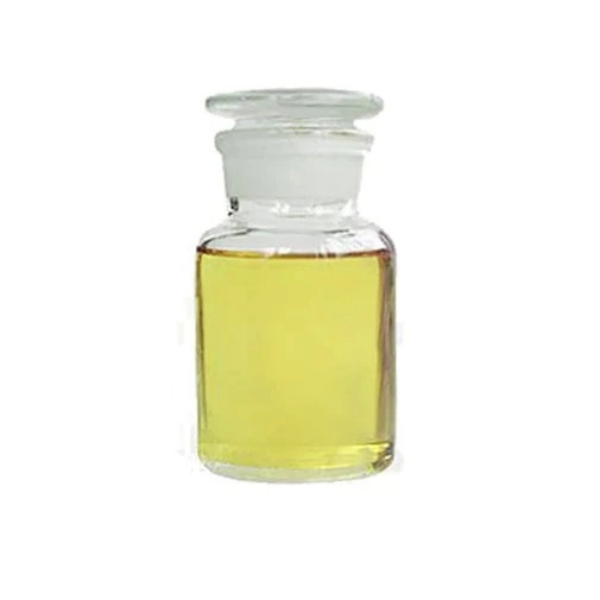
The MCPA herbicides are a specialized solution designed for agricultural use, particularly in maize fields. These herbicides are part of the phenoxycarboxylic acid family and are renowned for their selective action, targeting specific weeds while sparing the crop. Their unique formulation allows for rapid absorption through the plant's cuticle and cell membrane, ensuring efficient distribution throughout the weed's system, leading to its eventual death. This makes them a vital tool for farmers seeking to maintain crop health and yield.
Key Features of MCPA Herbicides
The MCPA herbicides are characterized by several notable features that make them a preferred choice among agricultural professionals. One of the most significant is their selective herbicidal action, which allows them to target a wide range of annual broad-leaved weeds without harming the maize crop. This selectivity is crucial for maintaining the integrity of the crop while effectively managing weed competition.
Another key feature is their strong endosmosis conductivity, enabling the herbicide to penetrate the plant's cuticle and cell membrane efficiently. This rapid absorption ensures that the active ingredients are quickly transported to all parts of the weed, leading to a swift and effective kill. Additionally, the formulations available, such as the MCPA-isooctyl 85% EC and MCPA 750g/l SL, offer flexibility in application, catering to different agricultural needs and conditions.
Advantages of Using MCPA Herbicides
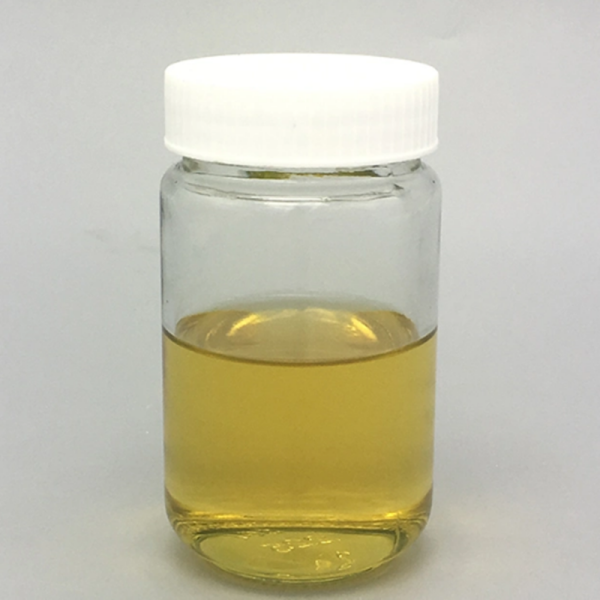
The advantages of using MCPA herbicides are numerous and significant. One of the primary benefits is their ability to provide effective control of annual broad-leaved weeds, which can severely impact maize yields. By targeting weeds such as Anticladus heterophyllus, Siderodon heterophyllus, and Pigweed, these herbicides help ensure that the maize crop receives adequate nutrients, water, and sunlight.
Moreover, the selective nature of these herbicides minimizes the risk of damage to non-target crops, making them a safer option for farmers who cultivate multiple crops. This selectivity is particularly important in areas where inter-planting or mixed broad-leaf crops are common. Additionally, the quick action of the herbicides ensures that weeds are controlled before they can establish a strong foothold, reducing the need for repeated applications and saving both time and resources.
Technical Specifications
| Product Formulation | Active Ingredient | Concentration | Application Rate | Target Weeds |
|---|---|---|---|---|
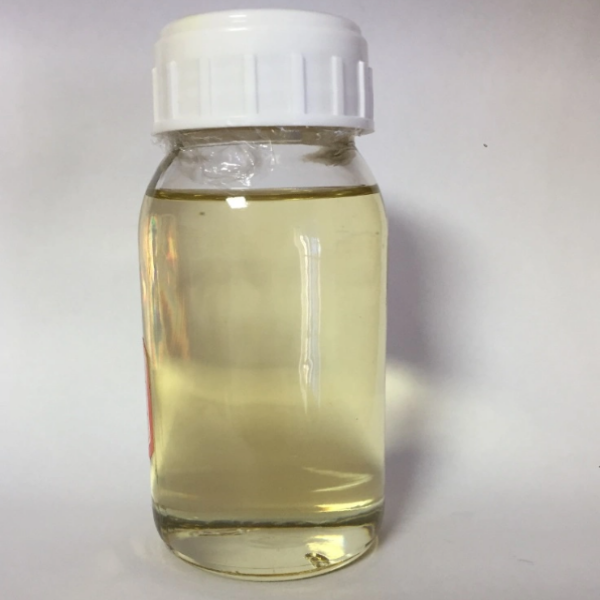
| MCPA-isooctyl 85% EC | MCPA | 85% | 18-26 ml/mu | Annual broad-leaved weeds |
| MCPA 750g/l SL | MCPA | 750g/l | 18-26 ml/mu | Annual broad-leaved weeds |
| MCPA 62% SL | MCPA | 62% | 18-26 ml/mu | Annual broad-leaved weeds |
Application Scenarios
The MCPA herbicides are specifically formulated for use in maize fields, where they provide effective weed control during the critical early growth stages. The optimal application period is when the maize plants have 3-5 leaves, and the target weeds are in the 2-6 leaf stage. This timing ensures that the herbicide is applied when the weeds are most susceptible to treatment, maximizing its effectiveness.
Application is typically done through mist spraying on leaves and stems, which allows for even coverage and efficient absorption. Farmers are advised to avoid spraying on windy days or during rainfall, as this can lead to uneven distribution and reduced efficacy. Additionally, the herbicide should be applied along the rows to minimize contact with sensitive crops such as cotton, potatoes, and beans, which can be adversely affected by drift.
Usage Guidelines and Safety Precautions
To ensure the safe and effective use of MCPA herbicides, it is essential to follow specific guidelines and safety precautions. One of the critical requirements is to avoid drift onto sensitive crops such as cotton, potatoes, and beans, as this can lead to unintended damage. Farmers should also refrain from using the herbicide in fields with inter-planted or mixed broad-leaf crops, as this can reduce its effectiveness and pose risks to non-target plants.
The herbicide should be stored in a cool, ventilated, and dry place, away from direct sunlight and moisture. During storage and transportation, it is crucial to prevent exposure to moisture and sunlight to maintain its potency. Additionally, the product should not be stored or transported with food, beverages, or personal items, as this can lead to contamination. After use, container111s should be disposed of properly and not repurposed, ensuring environmental safety.
Company Background: Hebei Chengnong Biotech Co., Ltd.
Hebei Chengnong Biotech Co., Ltd. is a leading company in the agrochemical industry, specializing in the production and distribution of agricultural chemicals, including herbicides, insecticides, and fungicides. With a manufacturing base covering 80,000 square meters in the Cangzhou Economic and Technological Development Zone, the company is equipped with advanced production facilities and a dedicated team of professionals.
The company's commitment to quality and innovation is evident in its comprehensive range of products, which include insecticides such as Imidacloprid, Acetamiprid, and Thiamethoxam, as well as fungicides like Difenoconazole and Azoxystrobin. Their herbicide portfolio includes glyphosate, paraquat, and Glufosinate ammonium, alongside the MCPA herbicides discussed in this article.
With over 20 years of experience in the agricultural sector, Hebei Chengnong Biotech Co., Ltd. has established itself as a trusted supplier of high-quality agrochemical products. The company's focus on registration support, OEM processing, and application consultation ensures that customers receive not only top-tier products but also expert guidance to optimize their use.
Conclusion
The MCPA herbicides offer a reliable and effective solution for weed control in maize fields. Their selective action, rapid absorption, and targeted application make them an invaluable tool for farmers seeking to enhance crop yield and quality. By following the recommended usage guidelines and safety precautions, farmers can maximize the benefits of these herbicides while minimizing potential risks.
As a leading provider in the agrochemical industry, Hebei Chengnong Biotech Co., Ltd. continues to innovate and deliver high-quality products that meet the evolving needs of the agricultural sector. Their commitment to excellence, combined with their extensive product range and expert support, positions them as a trusted partner for farmers and agricultural professionals worldwide.
References
1. National Institute of Standards and Technology (NIST). (n.d.). Standards and Measurements. Retrieved from https://www.nist.gov/
2. National Institute of Standards and Technology (NIST). (n.d.). Manufacturing and Innovation. Retrieved from https://www.nist.gov/
3. National Institute of Standards and Technology (NIST). (n.d.). Research and Development. Retrieved from https://www.nist.gov/
-
Imidacloprid Olefin – High-Performance Agricultural Pest Control Solutions from CN Agrochemical
NewsDec.09,2025
-
Comprehensive Guide to Imidacloprid Msds - Safe & Effective Pest Control Solutions from CN Agrochem
NewsDec.09,2025
-
Comprehensive Overview of Imidacloprid Mosquito Control for B2B Decision Makers
NewsDec.09,2025
-
Imidacloprid Mosquito: Effective & Sustainable Mosquito Control Solutions for B2B
NewsDec.09,2025
-
Effective Imidacloprid Mite Control for Industrial Agriculture
NewsDec.08,2025
-
Understanding Imidacloprid Mexico: Applications, Benefits & Environmental Impact
NewsDec.08,2025