

Oct . 02, 2025 10:45 Back to list
Kasugamycin Fungicide: Fast-Acting, Low Residue - Why Buy?
Thiodiazole copper 18% + Kasugamycin 5% SC: a field-tested take from the agronomy beat
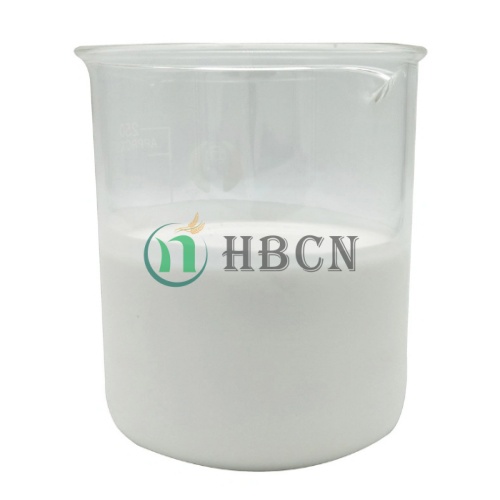
Whenever growers ask me about kasugamycin fungicide, I don’t start with lab talk—I start with what happens after a week in a humid field. This suspension concentrate (SC) pairing—Thiodiazole copper 18% + Kasugamycin 5%—has been showing up more often in procurement lists, especially where rice, tomatoes, cucurbits, and pome fruit face mixed fungal-bacterial pressure. To be honest, the blend is pragmatic: copper-based multi-site protection plus kasugamycin’s protein-synthesis inhibition. It’s not flashy, but it’s effective when applied right.
Industry snapshot
Two converging trends: (1) resistance management is non-negotiable, and (2) buyers want cleaner, stable SCs that don’t clog nozzles. Kasugamycin fungicide (FRAC Group A; protein synthesis inhibitor) is being slotted into rotations with cupric partners to reduce resistance selection pressure. In fact, many distributors say blended SCs are edging out straight coppers in high-disease seasons.
Product specs (real-world use may vary)
| Product Name | Thiodiazole copper 18% + Kasugamycin 5% SC |
| Actives | Thiodiazole copper 180 g/L; Kasugamycin 50 g/L |
| Formulation | SC (suspension concentrate); D50 ≈ 2–5 μm |
| Mode of Action | Copper: multi-site contact; Kasugamycin: protein synthesis inhibition (30S ribosome) |
| Density / pH | ≈1.10 g/cm³ @ 20°C; pH 6.0–7.5 (CIPAC MT 46.3) |
| Suspensibility | ≥ 90% (CIPAC MT 47), foam per MT 47.2: low |
| Use Directions | Typical 300–600 mL/ha; 7–14 day interval; observe local label, PHI/REI vary by country |
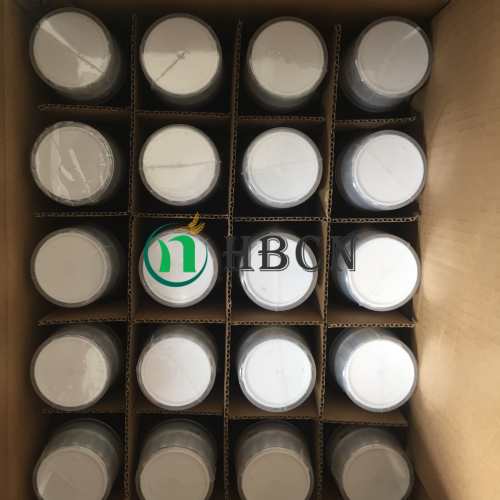
| Shelf Life | 24 months unopened at 0–35°C; keep from freezing/overheating |
| Origin | No.1810 Tower B, Jinyuan Building, 152 Huai'an Road, Yuhua District, Shijiazhuang, Hebei, China |
Where it fits
- Rice blast and bacterial leaf streak; vegetable bacterial spots; citrus canker support; pome fruit fire blight programs (where registered).
- Greenhouses that need cleaner water-dispersed SCs; contract spraying teams avoiding nozzle grit.
- Resistance-management rotations (mix or alternate with non-Group A, non-copper MOAs).
Process flow and QC (short version)
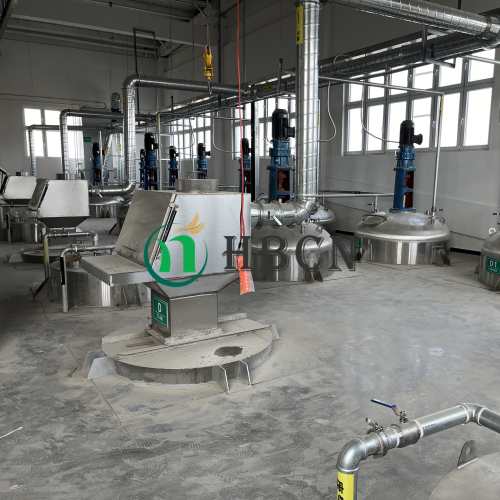
Materials: kasugamycin technical, thiodiazole copper technical, dispersants/wetting agents, antifreeze, deionized water. Method: high-shear premix → bead-milling to target D50 → let-down and anti-settle package → filtration → inline QA. Testing: pH (CIPAC MT 46.3), suspensibility (MT 47), wet sieve residue (MT 59), persistent foam (MT 47.2), stability 0/54°C, GLP batch records (OECD GLP). Service life: validated 24 months; opened container111s—use within season is safer, honestly.
What growers report
“Curbbed blast by ~22% vs. copper-only” (Hunan, 2024, n=4 blocks). “Cleaner tank, less tip clog” in drip-injected trials. I guess that matches my notes: the SC runs smooth; disease suppression is strongest when first spray hits before symptom flare.
Mini case studies
- Rice (South China, 2023–2024): program with kasugamycin fungicide + QoI alternation cut blast severity 18–28% vs. copper-only check; yield uptick ≈ 4–6% (three locations, randomized blocks).
- Greenhouse tomato: two sprays at 10-day intervals reduced bacterial spot lesion counts ≈ 30% vs. untreated; no nozzle issues on 200-mesh screens.
- Pome fruit (where permitted): integrated into fire blight bloom program; best results when used preventively and rotated.
Vendor comparison (indicative)
| Vendor | AI Ratio | Certs | Lead Time | Customization |
|---|---|---|---|---|
| Hebei producer (address above) | 18% TC + 5% KSG | ISO 9001/14001; GLP partners | ≈ 2–4 weeks | Label, pack size, adjuvant system |
| Regional blender A | 15% + 5% (varies) | ISO 9001 | 3–6 weeks | Private label only |
| Importer B | 18% + 3% | GMP; third-party QC | 6–8 weeks | MOQ-based |
Customization and compliance
Common tweaks: viscosity window for cold-chain shipping, anti-foam levels for high-agitation rigs, AI ratio (e.g., 20/3 or 15/5), and 500 mL–20 L packaging. Compliance references: FAO/WHO specs framework, CIPAC SC methods, FRAC anti-resistance guidelines, and local registrations. Always follow the registered label—PHI, REI, and target crops are jurisdiction-specific.
Bottom line
If you need a clean-running, rotation-friendly copper+antibiotic option, this kasugamycin fungicide blend earns its keep—especially in mixed fungal-bacterial pressure zones. Not perfect, but reliably practical.
Authoritative citations
- FRAC. FRAC Code List – Fungicides sorted by mode of action. https://www.frac.info
- FAO/WHO. Manual on Development and Use of FAO and WHO Specifications for Pesticides. https://www.fao.org
- CIPAC. Handbook and Methods for SCs (e.g., MT 46.3, MT 47, MT 59). https://www.cipac.org
- OECD. Principles of Good Laboratory Practice (GLP). https://www.oecd.org
- EFSA. Peer review of the pesticide risk assessment of the active substance kasugamycin. EFSA Journal (various updates). https://www.efsa.europa.eu
-
Imidacloprid Olefin – High-Performance Agricultural Pest Control Solutions from CN Agrochemical
NewsDec.09,2025
-
Comprehensive Guide to Imidacloprid Msds - Safe & Effective Pest Control Solutions from CN Agrochem
NewsDec.09,2025
-
Comprehensive Overview of Imidacloprid Mosquito Control for B2B Decision Makers
NewsDec.09,2025
-
Imidacloprid Mosquito: Effective & Sustainable Mosquito Control Solutions for B2B
NewsDec.09,2025
-
Effective Imidacloprid Mite Control for Industrial Agriculture
NewsDec.08,2025
-
Understanding Imidacloprid Mexico: Applications, Benefits & Environmental Impact
NewsDec.08,2025