
- sales@chengnongagro.com
- Senin - Sabtu pukul 07.00 hingga 09.00

Okt . 09, 2025 16:39 Kembali ke daftar
Resistance Development to Myclobutanil in Fungal Pathogens
In the ever-evolving landscape of agricultural pest management, the battle against fungal pathogens is a constant challenge. Myclobutanil, a widely used active ingredient in fungicides, has been a crucial tool for farmers in protecting their crops. However, the continuous and extensive use of myclobutanil fungicide, such as systhane myclobutanil, has led to the development of resistance in fungal pathogens. For wholesalers, understanding the intricacies of resistance development is essential to provide valuable guidance to customers and ensure the continued effectiveness of fungal disease control.
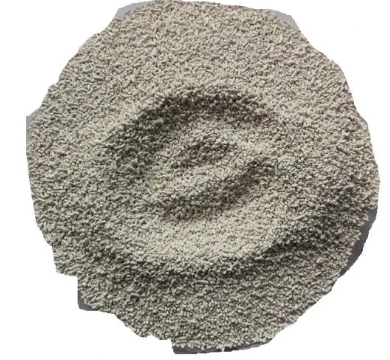
Myclobutanil Fungicide Product Characteristics Table
|
Aspect |
Detail |
|
Product Type |
Internal absorption therapeutic fungicide |
|
Key Feature |
Strong internal absorption conductivity |
|
Functions |
Treating, eradicating, and preventing diseases |
|
Application Timing |
Can be used before and after disease onset, especially effective in the early disease stage |
|
Crop Safety |
Safe for normal use on crops; applicable to young leaves, seedlings, young fruits, and during the flowering period; does not stimulate the fruit surface |
|
Physical Property |
Fine powder particles, strong adhesion, rain erosion resistance; can prevent disease when used before rain and kill rain-infected germinating mycelium, eradicating the disease source when used after rain |
Myclobutanil Fungicide in Field Crops
- Myclobutanil fungicide has been widely applied in field crops to combat various fungal diseases. In corn fields, it is effective against diseases like northern leaf blight and gray leaf spot. These diseases can cause significant damage to the leaves, reducing photosynthesis and ultimately leading to yield losses. By applying myclobutanil at the appropriate growth stages of corn, farmers can prevent the spread of these diseases. Its strong internal absorption conductivity allows the fungicide to reach deep within the plant tissues, providing comprehensive protection. In wheat, myclobutanil helps manage diseases such as powdery mildew and septoria leaf blotch. Powdery mildew forms a white, powdery layer on the leaves, inhibiting their normal function, while septoria leaf blotch causes brown spots and premature leaf death. The fungicide's therapeutic and preventive properties enable wheat growers to safeguard their crops, ensuring healthy growth and higher grain yields.
- For rice, myclobutanil fungicide is used to control sheath blight, a disease that attacks the sheath of the rice plant, weakening it and potentially causing lodging. The ability of myclobutanil to be applied at different stages of the disease, including before and after onset, makes it a valuable asset for rice farmers. In peanut and soybean fields, myclobutanil helps combat diseases like white mold and brown spot, respectively. These diseases can severely impact pod and seed development, reducing the overall productivity of these important oilseed crops. The fungicide's rain erosion resistance property ensures that it remains effective even in adverse weather conditions, protecting the crops from fungal attacks.
Myclobutanil Fungicide in Fruit and Vegetable Crops
- In the cultivation of fruit and vegetable crops, myclobutanil fungicide plays a vital role in disease prevention and control. In apple orchards, it is used to combat diseases such as apple scab and bitter rot. Apple scab causes dark, scabby lesions on the fruit and leaves, reducing their marketability, while bitter rot can lead to fruit decay. The safety of myclobutanil for use during the flowering period and on young fruits is particularly beneficial for apple growers, as it allows for continuous protection throughout the growth cycle. In citrus groves, myclobutanil helps control diseases like citrus green mold and brown rot, which can cause significant losses during storage and transportation.
- For vegetable crops, myclobutanil fungicide is equally important. In potato fields, it protects against late blight, a devastating disease that can rapidly destroy the plants. The fungicide's ability to kill the mycelium germination infected by rain is crucial in preventing the spread of late blight. In onion fields, myclobutanil manages diseases like purple blotch, which causes dark purple spots on the leaves and can spread to the bulbs. In chili pepper plantations, it controls diseases such as anthracnose, which affects the fruit and can lead to rotting. In sugarcane fields, myclobutanil helps combat diseases that can impact the stalks, ensuring healthy growth and high sugar content.
Mechanisms of Resistance Development to Myclobutanil in Fungal Pathogens
- The development of resistance to myclobutanilin fungal pathogens is a complex process. Myclobutanil works by inhibiting the enzyme 14α-sterol demethylase (CYP51), which is essential for the biosynthesis of ergosterol in fungal cells. Ergosterol is a key component of the fungal cell membrane, and its disruption leads to cell membrane dysfunction and ultimately fungal death. However, over time, fungal pathogens can develop mutations in the CYP51 gene. These mutations can alter the structure of the enzyme, reducing the binding affinity of myclobutanil to the enzyme. As a result, the fungicide is less able to inhibit the enzyme's activity, allowing the fungus to continue growing and causing disease.
- Another mechanism of resistance is the overexpression of efflux pumps in fungal cells. These pumps can actively transport myclobutanil out of the fungal cells, reducing the intracellular concentration of the fungicide to sub-lethal levels. Additionally, some fungal pathogens may develop compensatory mechanisms to overcome the disruption of ergosterol biosynthesis, such as altering the composition of other membrane lipids or increasing the production of alternative sterols. These combined mechanisms contribute to the development and spread of resistance to myclobutanil among fungal pathogens.
Myclobutanil Fungicide FAQS
How can wholesalers identify areas at high risk of myclobutanil resistance?
Wholesalers can identify high-risk areas by analyzing historical data on fungicide use in different regions. Areas with a long history of continuous and intensive use of myclobutanil fungicide, especially in monoculture systems, are more likely to develop resistance. Monitoring disease control failures reported by farmers in specific areas can also indicate the presence of resistant fungal strains. Additionally, collaborating with local agricultural extension services and research institutions can provide valuable insights into the prevalence of resistance in different regions. By being aware of high-risk areas, wholesalers can proactively offer alternative products and resistance management advice to customers in those regions.
What are the signs that fungal pathogens have developed resistance to myclobutanil?
The main sign of resistance is the reduced effectiveness of myclobutanil in controlling fungal diseases. If farmers notice that diseases continue to spread or recur despite following the recommended application rates and schedules of myclobutanil fungicide, it could be an indication of resistance. Visible symptoms of the disease, such as the presence of lesions, mold growth, or leaf discoloration, may not improve or may worsen even after treatment. Laboratory testing of fungal samples can also confirm the presence of resistance by analyzing the genetic mutations in the CYP51 gene or the activity of efflux pumps in the fungal cells.
How does the rotation of fungicides help in managing myclobutanil resistance?
Rotating fungicides with different modes of action helps manage myclobutanil resistance by reducing the selection pressure on fungal pathogens. When the same fungicide, like myclobutanil, is used repeatedly, fungal strains that are naturally resistant or have developed resistance have a survival advantage and can multiply. By rotating to fungicides that target different biochemical processes in the fungus, such as cell membrane synthesis, DNA replication, or protein synthesis, the resistant strains are no longer favored. This disrupts the cycle of resistance development, as the fungi need to adapt to multiple different modes of action, making it more difficult for resistance to spread and persist.
Can the use of systhane myclobutanil in combination with biological control methods help delay resistance?
Yes, combining systhane myclobutanil with biological control methods can help delay resistance. Biological control agents, such as beneficial fungi, bacteria, or predatory insects, can suppress fungal diseases by competing with the pathogens for resources, producing antimicrobial substances, or directly attacking the fungal cells. By reducing the overall population of fungal pathogens, the reliance on myclobutanil fungicide can be decreased, thereby reducing the selection pressure for resistance development. Additionally, the combination of chemical and biological control can provide more comprehensive disease management, improving the long-term effectiveness of both approaches and reducing the environmental impact associated with excessive fungicide use.
What role do wholesalers play in educating customers about myclobutanil resistance management?
Wholesalers play a crucial role in educating customers about myclobutanil resistance management. They can provide detailed product information, including the mode of action of myclobutanil, potential risks of resistance, and recommended practices for its use. Offering training sessions or informational materials on resistance management strategies, such as fungicide rotation, mixture use, and proper application techniques, can help farmers make informed decisions. Wholesalers can also act as a communication bridge between customers and research institutions, relaying the latest scientific findings and best practices in resistance management. By empowering customers with knowledge, wholesalers contribute to the sustainable use of myclobutanil-based products and the long-term effectiveness of fungal disease control in agriculture.
-
Carbendazim Efficacy On Tomato Blight
BeritaDec.13,2025
-
Boscalid Storage Temperature Requirements
BeritaDec.13,2025
-
Glufosinate Ammonium Herbicide Rain Fastness Time
BeritaDec.13,2025
-
Tembotrione Herbicide Weed Control Scope
BeritaDec.13,2025
-
Topramezone Dosage For Soybean Fields
BeritaDec.13,2025
-
Agrochemical Based Agriculture Crop Yield Boost
BeritaDec.13,2025