
- sales@chengnongagro.com
- Dal lunedì al sabato dalle 7:00 alle 9:00

Ott . 10, 2025 09:30 Torna alla lista
Different Formulations of Tembotrione Herbicide
In the constantly evolving agricultural landscape, effective weed control is the linchpin for maximizing crop yields and ensuring food security. Tembotrione herbicide, a potent weapon in the battle against weeds, comes in diverse formulations. Each formulation has its distinct features and applications. For wholesalers, a comprehensive understanding of these different tembotrione - based products is essential as it enables them to supply customers with the most suitable solutions for their specific agricultural requirements.
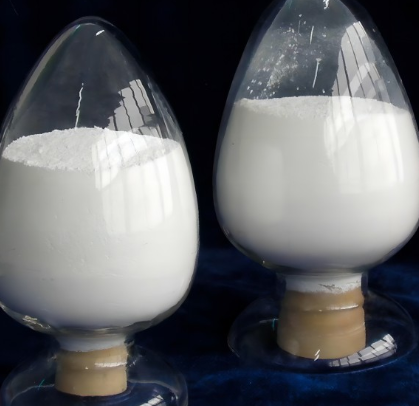
Tembotrione Herbicide Information Table
|
Aspect |
Dettagli |
|
Chemical Type |
Benzoylcyclohexanedione herbicide |
|
Mechanism of Action |
Inhibits p - hydroxyphenylpyruvate dioxidase (HPPD), reducing plastoquinone and tocopherol in plants, leading to plant discoloration, tissue necrosis, and death |
|
Absorbability and Selectivity |
Absorbable and selective |
|
Main Application |
Controls various annual broad - leaved weeds and gramineous weeds in maize fields after germination |
Tembotrione Herbicide Applications in Crops
- Tembotrione herbicide proves invaluable across a wide range of crops. In corn fields, it efficiently targets annual broad - leaved weeds like common lambsquarters and pigweed, as well as gramineous weeds such as foxtail. By inhibiting the HPPD enzyme, it disrupts weed growth, allowing corn to thrive and yield high - quality grains. In wheat fields, specific tembotrione formulations can manage threats like wild oats and chickweed, protecting the crop while minimizing harm.
- For rice paddies, tembotrione helps control aquatic weeds like waterhemp and smartweed, maintaining optimal growth conditions. In peanut and soybean fields, it clears weeds that impede growth and harvesting, enhancing crop development and harvest efficiency. In fruit and vegetable cultivation, tembotrione products are equally effective. In apple orchards and citrus groves, they control weeds competing for resources without harming the trees, improving fruit quality. In potato, onion, chili pepper, and sugarcane crops, tembotrione herbicide manages weeds, ensuring healthy plant growth and abundant yields.
Key Tembotrione Formulations and Their Traits
- Liquid formulations of tembotrione herbicide, including soluble and emulsifiable concentrates, are popular for their ease of use and quick action. Soluble concentrates mix smoothly with water for even field spraying, ensuring precise application and rapid weed penetration. Emulsifiable concentrates form stable emulsions upon dilution, providing excellent weed coverage and adhesion, reducing runoff. These liquid forms suit both ground and aerial spraying, fitting various farming operations.
- Granular tembotrione products offer a different approach. Incorporated into the soil, they release the herbicide slowly, providing extended weed control. This slow - release mechanism reduces the risk of immediate environmental impact, as the herbicide is less likely to runoff compared to liquid formulations. They are ideal for situations where long - term weed suppression is needed.
Environmental Impact and Mitigation of Tembotrione Herbicide
- While tembotrione herbicide is effective, its environmental impact must be considered. Different formulations influence its environmental behavior. Liquid formulations, if misapplied, pose a higher risk of runoff into water bodies during rain or irrigation, potentially harming aquatic life. However, proper application techniques, such as using suitable nozzles and avoiding application on vulnerable terrain, can mitigate this risk.
- Granular formulations, with their slow - release nature, are less likely to cause immediate environmental issues. In soil, tembotrione degrades over time, but factors like soil type, moisture, and microbial activity affect the degradation rate. HEBEI CHENGNONG BIOTECH CO.,LTD. emphasizes responsible use, providing detailed guidelines on application and handling to minimize environmental risks, ensuring tembotrione can be used effectively while protecting the ecosystem.
Tembotrione Herbicide FAQS
What makes the tembotrione 34.4 formulation unique among other tembotrione products?
The tembotrione 34.4 formulation's 34.4% active ingredient concentration balances potency and safety. It offers broad - spectrum weed control, optimized absorption, and consistent performance in corn fields. Compared to other formulations, it provides a cost - effective solution with potentially lower application rates while maintaining excellent weed management.
How do different tembotrione herbicide formulations affect application methods?
Liquid tembotrione herbicide formulations like soluble and emulsifiable concentrates are easy to mix with water and suitable for both ground and aerial spraying, allowing for precise and even application. Granular formulations, on the other hand, are incorporated into the soil, providing slow - release weed control and are typically applied using granular spreaders, which is ideal for long - term weed suppression.
In which crops can tembotrione be most effectively used?
Tembotrione is highly effective in corn fields for controlling a variety of broad - leaved and gramineous weeds. It also has applications in wheat, rice, peanut, and soybean fields, as well as in fruit orchards like apple and citrus, and vegetable crops such as potato, onion, chili pepper, and sugarcane, where it manages weeds competing for resources and affecting crop growth and quality.
What environmental risks are associated with tembotrione herbicide, and how can they be reduced?
Tembotrione herbicide may pose risks to aquatic ecosystems if it enters water bodies through runoff, especially with liquid formulations. To reduce these risks, proper application techniques should be used, like using appropriate nozzles and avoiding application on sloping or water - saturated fields. The slow - release nature of granular formulations helps minimize immediate environmental impact. Additionally, understanding how soil factors affect its degradation and following recommended application guidelines can further mitigate environmental risks.
How does tembotrione work to control weeds?
Tembotrione controls weeds by inhibiting the p - hydroxyphenylpyruvate dioxidase (HPPD) enzyme. This inhibition reduces the production of plastoquinone and tocopherol in plants. Without sufficient plastoquinone, photosynthesis is disrupted, and the lack of tocopherols leaves plants vulnerable to oxidative damage. As a result, weeds experience discoloration, tissue necrosis, and ultimately die, while the selective nature of tembotrione minimizes harm to most crop plants.
-
Carbendazim Efficacy On Tomato Blight
NotiziaDec.13,2025
-
Boscalid Storage Temperature Requirements
NotiziaDec.13,2025
-
Glufosinate Ammonium Herbicide Rain Fastness Time
NotiziaDec.13,2025
-
Tembotrione Herbicide Weed Control Scope
NotiziaDec.13,2025
-
Topramezone Dosage For Soybean Fields
NotiziaDec.13,2025
-
Agrochemical Based Agriculture Crop Yield Boost
NotiziaDec.13,2025