

Sep . 24, 2025 18:50 Back to list
How Topramezone Controls Resistant Weeds
Resistant weeds—those that survive traditional herbicide treatments—have become a nightmare for farmers, especially in row crops and vegetable fields, where they outcompete crops for resources and slash yields. Topramezone emerges as a game-changer: a specialized herbicide that targets resistant weeds by disrupting their unique metabolic pathways, something older herbicides can’t do. As a leading topramezone herbicide supplier, HEBEI CHENGNONG BIOTECH CO.,LTD—with 20+ years in agrochemicals—formulates high-quality topramezone products (alongside other herbicides and pesticides) that deliver reliable control for farmers worldwide. For wholesalers serving agricultural clients, partnering with a trusted source of topramezone ensures access to solutions that solve the resistant weed crisis, keeping farmers’ operations profitable.
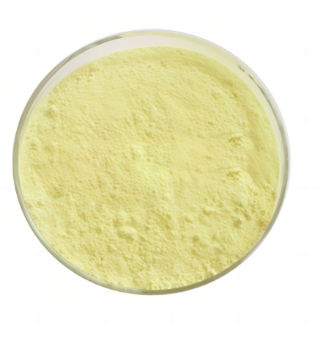
The Unique Mode of Action of Topramezone Herbicide
- Disrupting Carotenoid Synthesis in Resistant Weeds: Topramezone herbicide works by inhibiting the HPPD enzyme (4-hydroxyphenylpyruvate dioxygenase) in weeds—a key player in carotenoid production. Carotenoids protect weed chlorophyll from sunlight damage; without them, chlorophyll breaks down, causing weeds to turn white (bleach) and die within 7–14 days. Unlike older herbicides that target common enzymes (which resistant weeds have evolved to bypass), HPPD inhibition is a newer, less exploited pathway—meaning even weeds resistant to glyphosate or acetochlor are vulnerable to topramezone. For example, resistant waterhemp (a major threat to corn and soybeans) is fully controlled by ChengNong’s topramezone products, as it hasn’t evolved resistance to HPPD inhibition. For wholesalers, this unique mode of action is a selling point: topramezone fills a gap in farmers’ weed control toolkits.
- Translocation for Whole-Plant Control: Topramezone is a systemic herbicide—once absorbed by a weed’s leaves or roots, it translocates (moves) to all parts of the plant, including roots and seeds. This ensures even hard-to-reach parts of resistant weeds (like deep taproots of dandelions) are killed, preventing regrowth. Older contact herbicides only kill surface foliage, letting weeds regrow from roots—topramezone herbicide avoids this, delivering long-lasting control. Wholesalers can emphasize this to farmers: topramezone products mean fewer re-treatments, saving time and money.
Topramezone Products for Targeted Resistant Weed Control
- Formulations Tailored to Crop Types: ChengNong’s topramezone products come in versatile formulations (EC, SC, WDG) to suit different crops and application methods, ensuring safe, effective control without harming valuable plants. The table below outlines key formulations, their target weeds, and ideal crop uses—critical guidance for topramezone application in agrochemical based agriculture. Wholesalers can share this with farmers to ensure proper product selection, reducing off-target damage and maximizing efficacy.
ChengNong Topramezone Products for Resistant Weed Control
|
Topramezone Product |
Formulation |
Target Resistant Weeds |
Ideal Crops |
Key Advantage |
|
Topramezone 33% SC |
Suspension Concentrate |
Waterhemp, palmer amaranth, ragweed |
Corn, sugarcane |
Rainfast in 1 hour; low volatility |
|
Topramezone 50% WDG |
Water-Dispersible Granule |
Lambsquarters, pigweed, marestail |
Soybeans, cotton |
Easy to mix; safe for seedling stages |
|
Topramezone + Atrazine 20% EC |
Emulsifiable Concentrate |
All above + crabgrass |
Corn (only) |
Broad-spectrum control; reduces tank mixes |
- Tank-Mix Compatibility for Broadened Control: Topramezone herbicide plays well with other herbicides, letting farmers create tank mixes that target both resistant and non-resistant weeds in one application. ChengNong’s topramezone products are compatible with atrazine (for grassy weeds) and dicamba (for broadleaf weeds), eliminating the need for multiple sprays. For example, a tank mix of topramezone + atrazine controls resistant waterhemp and crabgrass in corn, cutting application time by 50%. Wholesalers can highlight this compatibility: it simplifies farmers’ workflows and makes topramezone a versatile addition to any weed control program.
Topramezone Herbicide Ensures Long-Term Resistant Weed Management
- Rotation to Prevent New Resistance: To keep topramezone effective long-term, farmers need to rotate it with other herbicides that have different modes of action. ChengNong advises rotating topramezone herbicide with glyphosate (for non-resistant weeds) or ALS-inhibitors (for other broadleaves) each growing season. This prevents weeds from evolving resistance to topramezone—a critical practice for sustainable farming. For wholesalers, educating farmers on rotation builds trust: it shows a commitment to long-term solutions, not just short-term sales of topramezone products.
- Low Use Rates for Cost-Efficiency: Topramezone delivers results at low use rates (25–50 grams per hectare), making it cost-effective for large-scale farms. ChengNong’s concentrated topramezone products mean farmers get more coverage per liter, reducing shipping and storage costs. For example, one 20-liter drum of topramezone 33% SC covers 1,000–1,200 hectares—far more than older herbicides that require 200+ grams per hectare. Wholesalers can market this efficiency: topramezone gives farmers more value per dollar, making it an easy choice for budget-conscious operations.
Topramezone FAQS
Is Topramezone Herbicide Safe for Crops Like Corn and Soybeans?
Yes—when used as directed, topramezone herbicide is safe for labeled crops. ChengNong’s formulations include crop-safe adjuvants that minimize stress, and topramezone is metabolized quickly by corn and soybeans (so it doesn’t accumulate in plant tissues). For example, corn treated with topramezone 33% SC shows no yellowing or stunting, even when applied at the maximum rate. Wholesalers can assure farmers: topramezone products target weeds, not crops, when used correctly.
How Long Does Topramezone Take to Kill Resistant Weeds?
Topramezone starts working within 3–5 days: weeds begin to bleach (turn white) as chlorophyll breaks down, and they die completely within 7–14 days. Resistant weeds like waterhemp or marestail may take 10–14 days to die (slightly longer than non-resistant weeds), but control is complete. ChengNong recommends waiting 2 weeks before assessing results—rushing to re-treat wastes topramezone and increases costs. For wholesalers, sharing this timeline manages farmers’ expectations and ensures proper use.
Can Topramezone Products Be Used in Organic Farming?
No—topramezone is a synthetic herbicide and not approved for organic farming. However, ChengNong offers bio-based herbicides for organic clients, while topramezone products serve conventional farmers dealing with resistant weeds. Wholesalers can use this to cater to both markets: offer topramezone for conventional farms and organic alternatives for certified operations, expanding client reach.
What Weather Conditions Are Best for Applying Topramezone Herbicide?
Topramezone herbicide works best in mild weather (15–25°C) with low wind (<10 km/h) and no rain expected for 1–2 hours after application. High temperatures (>30°C) can cause temporary crop stress, while heavy rain immediately after application may wash topramezone off weeds. ChengNong includes weather guidelines with every topramezone product—wholesalers can pass these to farmers to maximize efficacy.
Where Can Wholesalers Source Bulk Topramezone Products?
HEBEI CHENGNONG BIOTECH CO.,LTD is a trusted supplier of bulk topramezone products, including topramezone herbicide in SC, WDG, and EC formulations. With global export capabilities and 20+ years of expertise, they ensure consistent quality and competitive pricing for wholesalers.
-
Carbendazim Efficacy On Tomato Blight
NewsDec.13,2025
-
Boscalid Storage Temperature Requirements
NewsDec.13,2025
-
Glufosinate Ammonium Herbicide Rain Fastness Time
NewsDec.13,2025
-
Tembotrione Herbicide Weed Control Scope
NewsDec.13,2025
-
Topramezone Dosage For Soybean Fields
NewsDec.13,2025
-
Agrochemical Based Agriculture Crop Yield Boost
NewsDec.13,2025