
- sales@chengnongagro.com
- Mon - Sat at 7:00AM to 9:00AM

Dec . 13, 2025 19:00 Back to list
Tembotrione Herbicide Weed Control Scope
In modern agricultural weed management, tembotrione, tembotrione herbicide, and tembotrione 34.4 are valued for their selective, HPPD-inhibiting mechanism, effectively controlling broadleaf and gramineous weeds while protecting crops. The weed control scope of tembotrione herbicide directly determines its applicability across crops, a key consideration for bulk buyers and large-scale farming operations. HEBEI CHENGNONG BIOTECH CO.,LTD. specializes in high-quality tembotrione and tembotrione 34.4 formulations, leveraging its benzoylcyclohexanedione structure to deliver reliable weed suppression.
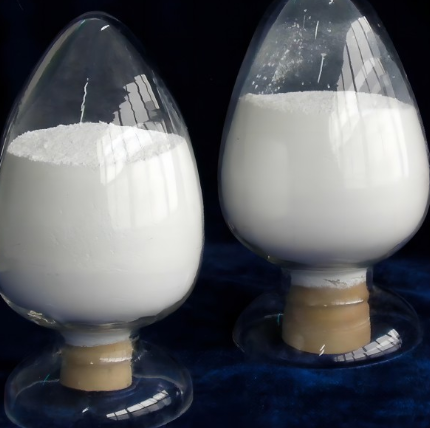
HEBEI CHENGNONG BIOTECH CO.,LTD. Tembotrione Product Table
|
Item |
Details |
|
Product Name |
Tembotrione, tembotrione herbicide, tembotrione 34.4 |
|
Chemical Class |
Benzoylcyclohexanedione herbicide |
|
Mechanism of Action |
HPPD inhibitor (reduces plastoquinone/tocopherol, causing weed discoloration, necrosis, death) |
|
Core Traits |
Selective, systemic absorption, post-emergence application |
|
Weed Control Scope |
Annual broadleaf weeds (amaranth, pigweed, purslane, velvetleaf) and gramineous weeds (barnyardgrass, crabgrass, foxtail) in multiple crops |
|
Key Application |
Corn fields (primary), wheat, rice, peanut, soybean, potato, onion, pepper, apple orchards, citrus orchards, sugarcane fields |
|
Core Advantages |
Broad weed control spectrum, selective crop safety, systemic absorption, fast-acting (visible symptoms in 3–5 days) |
|
Service Support |
Bulk supply, technical documentation, weed control guidelines, customized packaging consultation for wholesalers and business clients |
Weed Control Scope of Tembotrione Herbicide for Corn Fields
- Annual broadleaf weed suppression: tembotrione herbicide targets over 20 common annual broadleaf weeds in corn fields, including amaranth, pigweed, purslane, velvetleaf, chickweed, and speedwell. Its systemic absorption ensures weed roots and shoots are fully affected, preventing regrowth. HEBEI CHENGNONG BIOTECH CO.,LTD.’s formulation delivers consistent control even in dense weed infestations, reducing competition for water and nutrients. Wholesalers can emphasize this broad spectrum to corn farmers facing diverse weed pressures.
- Gramineous weed elimination: the herbicide effectively controls gramineous weeds such as barnyardgrass, crabgrass, green foxtail, and wild oat in corn fields, which are notorious for reducing yield by up to 30%. The HPPD-inhibiting mechanism disrupts weed photosynthesis, leading to complete death within 7–10 days. Unlike non-selective herbicides, tembotrione herbicide safeguards corn seedlings (3–5 leaf stage) while eliminating weeds, a key selling point for wholesalers targeting corn-focused farming operations.
- Mixed weed community management: corn fields often face mixed infestations of broadleaf and gramineous weeds, and tembotrione herbicide’s broad scope eliminates the need for multiple herbicide applications. This simplifies farm operations, reduces labor costs, and minimizes chemical input, appealing to cost-conscious bulk buyers. HEBEI CHENGNONG BIOTECH CO.,LTD.’s product maintains efficacy across soil types (sandy, loamy, clay) and climate conditions, ensuring consistent performance for wholesalers’ clients in diverse regions.
- Residual weed control: beyond immediate suppression, tembotrione herbicide provides 4–6 weeks of residual control, preventing new weed germination during corn’s critical growth stages (jointing to tasseling). This long-lasting effect reduces reapplication frequency, further optimizing operational efficiency for large-scale corn farms. Wholesalers can highlight this residual benefit to clients seeking low-maintenance weed management solutions.
Tembotrione 34.4 Application in Multiple Crops
- Wheat and rice fields: tembotrione 34.4 is applied post-emergence (wheat: 2–3 leaf stage; rice: 7–10 days post-transplanting) to control broadleaf weeds (chickweed, speedwell) and gramineous weeds (barnyardgrass, sedges). Its selective action protects crop seedlings, and systemic absorption ensures thorough weed control even in water-logged rice paddies. Wholesalers can promote this versatility to clients with mixed grain crop operations.
- Peanut and soybean fields: peanuts benefit from tembotrione 34.4 application (1–2 leaf stage) to control pigweed, lambsquarters, and crabgrass without damaging peanut roots. For soybeans, the herbicide targets purslane, amaranth, and foxtail, maintaining crop safety while reducing weed competition. The product’s compatibility with these oil crops expands wholesalers’ client base beyond grain farmers.
- Potato and onion fields: potato fields use tembotrione 34.4 (pre-emergence or post-transplanting) to control weeds like purslane and barnyardgrass, which can deform tubers. Onion fields benefit from targeted control of broadleaf weeds (pigweed, chickweed) and grass weeds (crabgrass), ensuring bulb development is not hindered. The herbicide’s selective nature is critical for these root and tuber crops, as non-selective products risk crop damage—wholesalers can emphasize safety to vegetable farmers.
- Fruits, vegetables, and sugarcane: in pepper fields, tembotrione 34.4 (post-transplanting, 10 days) controls grass weeds and purslane without damaging pepper plants. Apple and citrus orchards use directed sprays to eliminate orchard weeds (velvetleaf, johnsongrass) without harming tree roots. Sugarcane fields benefit from the herbicide’s control of invasive weeds like johnsongrass and barnyardgrass, which compete fiercely for nutrients. These diverse applications make tembotrione 34.4 a versatile product for wholesalers serving multiple agricultural sectors.
Tembotrione Core Advantages for Wholesalers
- Broad weed control scope enhances market appeal: tembotrione’s ability to control over 30 weed species across 10+ crops makes it a high-demand product for wholesalers. Unlike single-weed or single-crop herbicides, it caters to mixed farming operations, reducing the need for clients to stock multiple products. HEBEI CHENGNONG BIOTECH CO.,LTD.’s consistent formulation ensures reliable weed control across batches, building trust with long-term clients.
- Selective crop safety reduces liability risks: the herbicide’s selective action safeguards key crops (corn, wheat, soybeans, vegetables) while eliminating weeds, minimizing the risk of phytotoxicity claims. Wholesalers can confidently promote tembotrione herbicide to clients concerned about crop damage, supported by the product’s proven safety profile in field trials.
- Systemic absorption ensures thorough control: unlike contact herbicides that only target above-ground weed parts, tembotrione’s systemic absorption kills weeds at the root, preventing regrowth and reducing reapplication needs. This thorough control appeals to clients seeking long-term weed management, enhancing product loyalty for wholesalers.
- Fast-acting and cost-effective: visible weed symptoms appear within 3–5 days, providing quick confirmation of efficacy for clients. The low application rate (varies by crop but generally 30–50 mL/acre) and long residual effect reduce per-acre costs, making tembotrione 34.4 a cost-effective choice for large-scale farms. Wholesalers can highlight this value proposition to budget-focused buyers.
- Versatile application supports diverse markets: whether serving grain farmers, vegetable growers, or orchard operators, tembotrione’s multi-crop compatibility allows wholesalers to target diverse agricultural sectors. This versatility expands market reach and reduces reliance on single-crop seasonal demand, stabilizing sales for wholesalers.
Tembotrione FAQS
What is the full weed control scope of tembotrione herbicide?
Tembotrione herbicide controls over 30 weed species, including annual broadleaf weeds (amaranth, pigweed, purslane, velvetleaf, chickweed) and gramineous weeds (barnyardgrass, crabgrass, foxtail, wild oat). It is effective across multiple crops, making it a versatile solution for wholesalers’ clients facing diverse weed pressures. HEBEI CHENGNONG BIOTECH CO.,LTD. provides detailed weed lists to help wholesalers educate clients.
Is tembotrione 34.4 safe for use in organic-integrated farming?
While tembotrione 34.4 is a synthetic herbicide, its selective action and low application rate make it compatible with integrated pest management (IPM) programs. It reduces overall chemical input by controlling multiple weeds with a single application, aligning with sustainable farming practices. Wholesalers can position it as a responsible choice for clients balancing weed control and environmental stewardship.
Can tembotrione be tank-mixed with other herbicides to expand weed scope?
Yes, tembotrione can be tank-mixed with selective herbicides (e.g., atrazine for corn, imazethapyr for soybeans) to expand weed control scope or target resistant weeds. HEBEI CHENGNONG BIOTECH CO.,LTD. provides tank-mix compatibility guidelines to ensure crop safety and efficacy. Wholesalers can offer this as a value-added service, helping clients tailor solutions to specific weed challenges.
What application timing optimizes tembotrione herbicide’s weed control scope?
Optimal timing varies by crop: corn (3–5 leaf stage), wheat (2–3 leaf stage), soybeans (1–2 leaf stage), vegetables (post-transplanting 10 days), and orchards (weed seedling stage). Applying tembotrione herbicide at these stages ensures weeds are small and susceptible, maximizing control scope. Wholesalers can provide crop-specific timing guides to help clients achieve best results.
How does HEBEI CHENGNONG BIOTECH CO.,LTD. support wholesalers with tembotrione supply?
The company offers bulk supply of tembotrione, tembotrione herbicide, and tembotrione 34.4, with technical documentation including weed control scope charts, application guidelines, and safety data sheets. It provides customized packaging consultations and timely delivery to meet seasonal demand. Post-sales support addresses application and compatibility queries, enabling wholesalers to serve clients effectively across agricultural sectors.
-
Carbendazim Efficacy On Tomato Blight
NewsDec.13,2025
-
Boscalid Storage Temperature Requirements
NewsDec.13,2025
-
Glufosinate Ammonium Herbicide Rain Fastness Time
NewsDec.13,2025
-
Tembotrione Herbicide Weed Control Scope
NewsDec.13,2025
-
Topramezone Dosage For Soybean Fields
NewsDec.13,2025
-
Agrochemical Based Agriculture Crop Yield Boost
NewsDec.13,2025