

Sep . 24, 2025 18:50 Back to list
Benefits of Myclobutanil Fungicide for Vegetable Crops
Vegetable crops—from tomatoes and cucumbers to peppers and lettuce—are highly susceptible to fungal diseases that can devastate yields and quality. Myclobutanil—a versatile triazole fungicide—has emerged as a go-to solution for protecting these crops, offering reliable control of common fungal threats while supporting sustainable farming practices. For wholesalers serving vegetable growers, agronomic retailers, or agricultural cooperatives, providing high-quality myclobutanil fungicide (including formulations like systhane myclobutanil) is key to helping clients safeguard their harvests. HEBEI CHENGNONG BIOTECH CO.,LTD, a leading Shijiazhuang-based agrochemical exporter with over 20 years of experience, specializes in premium myclobutanil products (alongside other pesticides), ensuring consistent efficacy and safety for global vegetable growers.
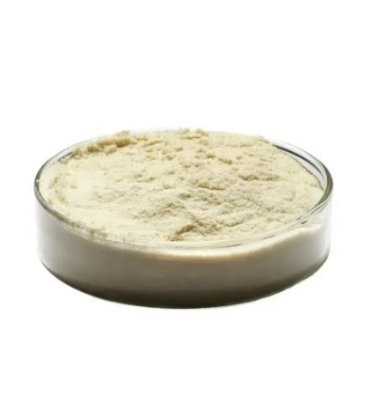
Broad-Spectrum Disease Control with Myclobutanil Fungicide
- Targeting Key Fungal Diseases in Vegetables: Myclobutanil fungicide delivers exceptional control over a wide range of destructive fungal diseases that plague vegetable crops. It is highly effective against powdery mildew (a major threat to cucumbers, zucchini, and tomatoes), rust (common in beans and peas), and scab (which harms potatoes and peppers). Unlike narrow-spectrum fungicides that only target one disease, myclobutanil simplifies crop protection by addressing multiple threats with a single product. For example, a cucumber grower using myclobutanil can protect against both powdery mildew and downy mildew, reducing the need for multiple spray applications. ChengNong’s myclobutanil formulations are optimized for vegetable crops, ensuring fast-acting and long-lasting disease suppression. For wholesalers, this broad spectrum is a major selling point: it reduces clients’ inventory costs and simplifies their spray programs, making it easier to manage disease pressure.
- Efficacy Against Resistant Fungal Strains: Over time, fungal pathogens can develop resistance to common fungicides—but myclobutanil’s unique mode of action (inhibiting fungal cell membrane synthesis) makes it effective against many resistant strains. This is especially critical for vegetable crops like tomatoes and peppers, where powdery mildew resistance to older fungicides is increasingly common. Systhane myclobutanil, a premium formulation of myclobutanil, enhances this resistance management by delivering consistent active ingredient distribution, ensuring even coverage that leaves no gaps for resistant fungi to thrive. ChengNong’s rigorous quality control ensures every batch of myclobutanil fungicide meets strict efficacy standards, giving wholesalers confidence that clients will see reliable results. For wholesalers, this resistance-fighting capability helps clients avoid costly yield losses, strengthening their trust in the product.
Myclobutanil Systemic Action Enhances Protection for Vegetable Crops
- Whole-Plant Protection with Myclobutanil: Myclobutanil is a systemic fungicide, meaning it is absorbed by the vegetable plant’s roots and foliage, then translocated throughout the entire plant—including new growth. This differs from contact fungicides that only protect surfaces they touch, leaving emerging leaves and stems vulnerable. For example, when applied to tomato seedlings, myclobutanil fungicide moves to developing fruit and new branches, protecting them from powdery mildew for 14–21 days after application. This systemic protection is invaluable for fast-growing vegetable crops that produce new foliage rapidly, as it eliminates the need for frequent re-spraying. ChengNong’s technical team educates wholesalers on how to communicate this benefit to clients: systemic action saves time and labor, making myclobutanil a cost-effective choice for busy vegetable growers.
- Rainfastness for Reliable Performance: Vegetable crops are often grown in open fields, where rain can wash away fungicides before they take effect. Myclobutanil fungicide(especially systhane myclobutanil) has excellent rainfastness—once dried on the plant surface (typically within 1–2 hours of application), it remains effective even after heavy rainfall. This ensures consistent protection for crops like lettuce and spinach, which are often grown in high-humidity, rain-prone environments. For wholesalers serving growers in variable climates, this rainfastness is a key advantage: it reduces the risk of re-spraying and ensures the fungicide delivers value even in unpredictable weather.
Myclobutanil Fungicide Benefits by Vegetable Crop Type
|
Vegetable Crop |
Key Diseases Controlled |
Myclobutanil Benefit |
Recommended Formulation |
ChengNong Advantage |
|
Cucumbers |
Powdery mildew, downy mildew |
Systemic protection for new vines; 21-day efficacy |
Myclobutanil fungicide (20% EC) |
Fast-acting; reduces yield loss from mildew |
|
Tomatoes |
Powdery mildew, leaf spot |
Translocates to fruit; rainfast after 1 hour |
Systhane myclobutanil (12.5% SC) |
Protects fruit quality; no residue issues |
|
Peppers |
Rust, scab |
Controls resistant rust strains; easy to apply |
Myclobutanil fungicide (10% WP) |
Uniform coverage; safe for flowering stages |
|
Lettuce |
Powdery mildew, gray mold |
Gentle on foliage; long-lasting protection |
Systhane myclobutanil (25% WDG) |
No phytotoxicity; maintains lettuce crispness |
User-Friendly Formulations and Safe Application of Myclobutanil
- Versatile Formulations for Easy Use: ChengNong offers myclobutanil fungicide in multiple user-friendly formulations—emulsifiable concentrates (EC), suspension concentrates (SC), and water-dispersible granules (WDG)—to suit different application methods (sprayers, foggers) and vegetable crop types. For example, systhane myclobutanil in SC formulation is ideal for small-scale vegetable gardens (easy to mix with water), while EC formulations work well for large-scale field crops like peppers. These formulations are designed to mix easily with water, require no special equipment, and ensure uniform coverage—reducing application errors for growers. For wholesalers, this versatility means they can cater to diverse client needs, from small family farms to large commercial operations, without stocking multiple specialized products.
- Safe for Beneficial Organisms and Crop Quality: Myclobutanil fungicide has low toxicity to beneficial insects (like bees and ladybugs) when applied according to label guidelines, making it compatible with integrated pest management (IPM) programs for vegetable crops. It also leaves minimal residues on harvested vegetables (when used as directed), meeting global food safety standards (e.g., EU MRLs). This is critical for growers selling vegetables to markets with strict safety requirements, like Europe or North America. ChengNong provides detailed residue testing reports for their myclobutanil products, helping wholesalers reassure clients of compliance. For wholesalers, this safety profile makes myclobutanil a sustainable choice, aligning with modern farming’s focus on environmental stewardship.
Myclobutanil Fungicide FAQS
Can Myclobutanil Fungicide Be Used on Organic Vegetable Crops?
No—myclobutanil fungicide is a synthetic triazole fungicide and is not approved for use on certified organic vegetable crops. However, it is an excellent choice for conventional and integrated farming systems, where it supports sustainable practices by reducing the need for multiple fungicide applications. ChengNong also offers organic-compliant fungicides for wholesalers serving organic growers, ensuring they can meet all client needs. For wholesalers, this clarity helps avoid misapplication and ensures clients choose the right product for their farming system.
What Is the Difference Between Myclobutanil and Systhane Myclobutanil?
Systhane myclobutanil is a premium, enhanced formulation of myclobutanil—it contains additional adjuvants that improve active ingredient absorption, rainfastness, and coverage on vegetable foliage. While standard myclobutanil fungicide offers reliable control, systhane myclobutanil provides longer efficacy (up to 21 days vs. 14 days) and better performance in challenging conditions (e.g., high humidity). For wholesalers, offering both options lets clients choose based on their needs: standard myclobutanil for budget-conscious operations, and systhane myclobutanil for high-value crops or severe disease pressure.
How Often Should Myclobutanil Fungicide Be Applied to Vegetable Crops?
The recommended application frequency depends on the vegetable crop and disease pressure—ChengNong advises 2–3 applications per growing season, spaced 10–14 days apart. For example, cucumber growers facing heavy powdery mildew pressure may apply myclobutanil 3 times (at planting, early vine growth, and flowering), while lettuce growers with mild disease risk may only need 2 applications. It is important not to exceed the maximum number of applications specified on the label to avoid resistance. ChengNong provides crop-specific application guides for wholesalers to share with clients, ensuring proper use.
Is Myclobutanil Fungicide Safe for Edible Vegetable Parts?
Yes—when applied according to label directions, myclobutanil fungicide leaves residues well below global food safety limits (e.g., 0.05 mg/kg for tomatoes, 0.1 mg/kg for cucumbers), making it safe for edible vegetable parts. ChengNong’s formulations are tested rigorously for residue levels, and they provide clear pre-harvest intervals (PHI)—typically 7–10 days for most vegetables—to ensure safety. For wholesalers serving growers who sell to grocery stores or export markets, this residue compliance is critical, as it prevents rejected shipments.
Where Can Wholesalers Source High-Quality Myclobutanil Fungicide?
HEBEI CHENGNONG BIOTECH CO.,LTD is a trusted supplier of high-quality myclobutanil, myclobutanil fungicide, and systhane myclobutanil—backed by 20+ years of agrochemical expertise and strict quality control. Their products are formulated for optimal efficacy on vegetable crops, and they offer bulk ordering options tailored to wholesalers’ needs. Whether clients need standard myclobutanil or premium systhane myclobutanil, ChengNong delivers consistent, reliable products.
-
Carbendazim Efficacy On Tomato Blight
NewsDec.13,2025
-
Boscalid Storage Temperature Requirements
NewsDec.13,2025
-
Glufosinate Ammonium Herbicide Rain Fastness Time
NewsDec.13,2025
-
Tembotrione Herbicide Weed Control Scope
NewsDec.13,2025
-
Topramezone Dosage For Soybean Fields
NewsDec.13,2025
-
Agrochemical Based Agriculture Crop Yield Boost
NewsDec.13,2025