
- sales@chengnongagro.com
- Mo - Sa 7:00 bis 9:00 Uhr

Oct . 09, 2025 16:46 Zréck op d'Lëscht
Precision Application Techniques for Boscalid Fungicide
In the realm of modern agriculture, safeguarding crops from fungal diseases is essential for ensuring high yields and quality produce. Boscalid fungicide, along with its formulations like boscalid pyraclostrobin and boscalid 25.2 pyraclostrobin 12.8, has become a vital tool in the fight against fungal infestations. For wholesalers, understanding the precision application techniques of these fungicides is crucial, as it enables them to provide customers with informed guidance on effective disease management. HEBEI CHENGNONG BIOTECH CO.,LTD. is committed to offering high-quality boscalid Fungizid products, empowering farmers to protect their crops efficiently through precise application.
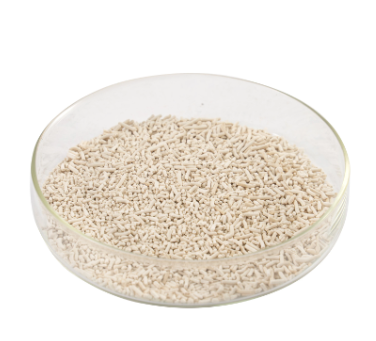
Boscalid Fungicide Product Information Table
|
Aspect |
Detailer |
|
Product Name |
Boscalid |
|
Formuléierung |
EC, WDG, WG, SC |
|
CAS Nr. |
188425 - 85 - 6 |
|
Shelf Life |
2 Joer |
|
Funktioun |
Fungizid |
|
Verpakung |
500g/bottle or according to customer’s requirement |
|
Port |
Shanghai, Qingdao, Ningbo, Dalian, Guangzhou, Tianjin, Shenzhen, Yiwu |
|
Bezuelen |
VISA, Paypal, TT, L/C, D/A, D/p |
Boscalid Fungicide in Field Crops
- Boscalid fungicide plays a significant role in protecting field crops from a variety of fungal diseases. In corn fields, it effectively combats diseases such as northern leaf blight and gray leaf spot, which can cause extensive damage to the leaves, reducing photosynthesis and ultimately decreasing yields. By applying boscalid Fungizid at the right growth stage of corn, farmers can prevent the spread of these diseases, ensuring healthy plant development and higher grain production.
- For wheat, boscalid elps manage diseases like powdery mildew and septoria leaf blotch. Powdery mildew forms a white, powdery coating on the leaves, inhibiting their normal functioning, while septoria leaf blotch causes brown spots and can lead to premature leaf death. Through precise application of boscalid Fungizid, wheat growers can maintain the health of their crops, safeguarding yields and the quality of the harvested grain.
- In rice paddies, boscalid Fungizid is effective against diseases such as sheath blight. This disease attacks the sheath of the rice plant, weakening it and potentially causing lodging, which can result in significant yield losses. By carefully applying boscalid at the appropriate time, rice farmers can protect their crops and ensure a bountiful harvest. In peanut and soybean fields, boscalid helps control diseases like white mold and brown spot, respectively. These diseases can devastate the crops, reducing pod and seed development. Precise application of boscalid Fungizid allows farmers to keep these diseases in check, promoting healthy growth and maximizing yields.
Boscalid Fungicide in Fruit and Vegetable Crops
- In fruit and vegetable cultivation, boscalid Fungizid offers reliable protection against fungal diseases. In apple orchards, it is used to combat diseases such as apple scab and bitter rot. Apple scab causes dark, scabby lesions on the fruit and leaves, reducing their marketability, while bitter rot can lead to fruit decay. By applying boscalid at key stages of apple growth, orchardists can prevent these diseases and produce high-quality apples.
- In citrus groves, boscalid Fungizid helps control diseases like citrus green mold and brown rot. These diseases can cause significant losses during storage and transportation. Precise application of boscalid ensures that citrus fruits remain healthy and marketable. For vegetable crops, boscalid is widely used. In potato fields, it protects against diseases such as late blight, which famously caused the Irish Potato Famine. Late blight can rapidly destroy potato plants, leading to complete crop failure. By using boscalid Fungizid with precision, potato growers can avoid such disasters and harvest healthy tubers.
- In onion fields, boscalid helps manage diseases like purple blotch, which causes dark purple spots on the leaves and can spread to the bulbs. In chili pepper plantations, it controls diseases such as anthracnose, which affects the fruit and can lead to rotting. In sugarcane fields, boscalid Fungizid can be used to combat diseases like red rot, protecting the stalks and ensuring high sugar content.
Precision Application Techniques for Boscalid Fungicide
- Precision application of boscalid Fungizid is key to maximizing its efficacy while minimizing waste and environmental impact. One of the fundamental techniques is proper timing. It is essential to apply boscalid at the early stages of disease development or before the onset of the disease - prone period. For example, in crops like corn, applying boscalid Fungizid just before the tasseling stage can prevent the establishment of fungal infections that could occur during this vulnerable growth phase.
- Another crucial aspect is accurate dosage calculation. Different crops and disease pressures require specific amounts of boscalid. Wholesalers can provide detailed guidelines to customers, helping them determine the correct dosage based on factors such as crop type, field size, and the severity of the disease threat. Using calibrated spray equipment is also vital. This ensures that the boscalid Fungizid is evenly distributed across the crop canopy, reaching all parts of the plants that are susceptible to fungal attack.
- Targeted spraying is another precision technique. Instead of blanket spraying an entire field, farmers can identify areas with a higher risk of disease, such as areas with poor drainage or where the disease has occurred in previous seasons, and focus their boscalid application on those spots. This not only reduces the amount of fungicide used but also increases the effectiveness of the treatment. Additionally, integrating boscalid with other disease management practices, such as crop rotation and sanitation, can further enhance the overall protection of the crops.
Boscalid Fungicide FAQS
How can wholesalers assist customers in choosing the right boscalid 25.2 pyraclostrobin 12.8 formulation?
Wholesalers can assist customers by providing detailed information about the characteristics of each formulation of boscalid 25.2 pyraclostrobin 12.8. They can explain the advantages and disadvantages of EC, WDG, WG, and SC formulations in terms of mixing ease, application methods, storage, and performance. By understanding the customer's specific crop types, disease pressures, and application equipment, wholesalers can recommend the most suitable formulation. For example, for customers with aerial spraying equipment, an EC formulation might be a good choice due to its ease of mixing and sprayability, while for those with limited storage space, WDG or WG formulations could be more appropriate as they are dry and take up less space.
What are the key factors to consider for precise timing of boscalid Fungizid application?
The key factors for precise timing of boscalid Fungizid application include the growth stage of the crop, the historical disease patterns in the area, and the current weather conditions. Different crops are vulnerable to fungal diseases at specific growth stages. For instance, in apple orchards, applying boscalid just before the bloom stage can prevent apple scab infections. Monitoring weather conditions, such as humidity and temperature, is also important, as these can influence the development and spread of fungal diseases. If the weather is favorable for disease development, it may be necessary to apply boscalid Fungizid earlier than usual. Additionally, analyzing the disease history of the field can help predict when diseases are likely to occur and plan the application accordingly.
How does the use of calibrated spray equipment improve the efficacy of boscalid pyraclostrobin?
Calibrated spray equipment ensures that the boscalid pyraclostrobin is applied at the correct rate and with uniform coverage. Without calibration, there is a risk of over - or under - application. Over - application not only wastes the fungicide but can also lead to increased environmental impact and potential harm to non - target organisms. Under - application, on the other hand, may not provide sufficient disease control. Calibrated equipment allows for accurate measurement of the fungicide solution, ensuring that the right amount is delivered to each area of the crop. It also helps in achieving even distribution of the spray droplets across the crop canopy, ensuring that all parts of the plants are protected from fungal diseases, thereby maximizing the efficacy of boscalid pyraclostrobin.
What are the potential environmental risks of boscalid Fungizid and how can precision application mitigate them?
The potential environmental risks of boscalid Fungizid include contamination of water bodies through runoff, harm to non - target organisms in the soil and surrounding ecosystems, and the development of resistance in fungal populations. Precision application mitigates these risks by reducing the amount of fungicide used. By accurately targeting the application to areas with disease pressure, less boscalid enters the environment. Proper spray techniques, such as using drift - reducing nozzles, prevent the fungicide from spreading to non - target areas. Additionally, following the recommended dosage and rotation with other fungicides can slow down the development of resistance, ensuring the long - term effectiveness of boscalid Fungizid while minimizing its environmental footprint.
Can boscalid Fungizid be used in combination with other pest control methods?
Yes, boscalid Fungizid can be used in combination with other pest control methods. Integrated Pest Management (IPM) strategies often involve combining chemical control, like the use of boscalid, with cultural, biological, and physical control methods. For example, cultural practices such as crop rotation and proper sanitation can reduce the initial inoculum of fungal diseases, complementing the action of boscalid Fungizid. Biological control agents, such as certain beneficial fungi or bacteria, can also be used alongside boscalid to enhance disease suppression. Physical control methods, like removing infected plant parts, can further reduce the spread of diseases. Combining boscalid with these other methods not only improves overall pest and disease management but also reduces the reliance on chemical fungicides, promoting more sustainable agricultural practices.
-
Carbendazim Efficacy On Tomato Blight
NeiegkeetenDec.13,2025
-
Boscalid Storage Temperature Requirements
NeiegkeetenDec.13,2025
-
Glufosinate Ammonium Herbicide Rain Fastness Time
NeiegkeetenDec.13,2025
-
Tembotrione Herbicide Weed Control Scope
NeiegkeetenDec.13,2025
-
Topramezone Dosage For Soybean Fields
NeiegkeetenDec.13,2025
-
Agrochemical Based Agriculture Crop Yield Boost
NeiegkeetenDec.13,2025