
- sales@chengnongagro.com
- No pirmdienas līdz sestdienai no 7:00 līdz 9:00

Okt . 20, 2025 16:33 Atpakaļ uz sarakstu
Dosage Calculation for 30 Tabletten Aluminium Phosphide
In the field of agricultural pest control and storage protection, aluminium phosphide and aluminum phosphide tablets, especially the 30 tabletten aluminium phosphide formulation, play a crucial role. For wholesalers, a comprehensive understanding of dosage calculation for these products is essential to meet the diverse needs of farmers, storage facilities, and agricultural enterprises. HEBEI CHENGNONG BIOTECH CO., LTD. is dedicated to providing reliable and high - quality aluminium phosphide products, along with relevant guidance on proper dosage usage to ensure effective pest management while maintaining safety standards.
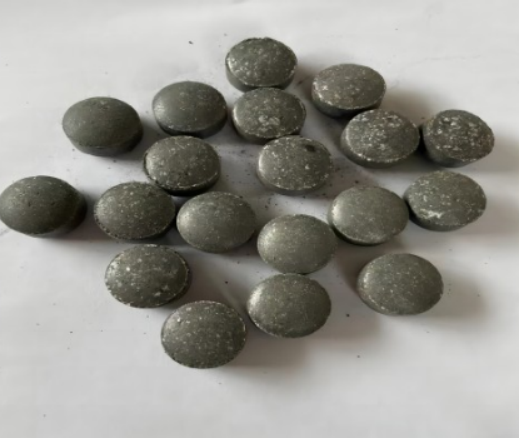
Aluminium Phosphide Basic Information Table
|
Aspect |
Sīkāka informācija |
|
Izskats |
Gray-green or yellow-green round tablet |
|
Weight per Tablet |
Approximately 3.2 grams |
|
Chemical Reaction in Atmosphere |
Easily absorbs moisture, decomposes and releases phosphine gas |
|
Funkcija |
Fumigation; controls various storage pests due to high insecticidal activity of phosphine |
30 Tabletten Aluminium Phosphide Dosage in Grain Storage of Field Crops
- When it comes to storing grains from field crops such as corn, wheat, and rice, accurate dosage calculation of 30 tabletten aluminium phosphide is vital. For small - scale storage facilities holding around 10 - 20 tons of grain, typically 1 - 2 tablets per cubic meter of storage space are recommended. For example, if a wheat storage bin with a volume of 15 cubic meters needs pest protection, 15 - 30 tablets of aluminium phosphide from the 30 - tablet pack may be required. In larger commercial storage silos that can store thousands of tons of corn or rice, the dosage is carefully calculated based on the volume and the expected pest infestation level. Usually, for every 100 cubic meters of space, around 80 - 120 tablets might be used. This dosage ensures that the released phosphine gas can effectively penetrate the grain mass and eliminate pests like weevils, grain moths, and mites that can damage the stored grains, preserving their quality and quantity for long - term storage.
- For stored peanuts and soybeans, which are prone to infestation by bruchid beetles and other pests, the dosage of 30 tabletten aluminium phosphide also depends on the storage conditions. In well - sealed storage containers, a lower dosage of about 0.8 - 1.2 tablets per cubic meter can be sufficient. However, if the storage environment has higher humidity or a history of severe pest problems, the dosage may be increased to 1.5 - 2 tablets per cubic meter. This adjustment helps to ensure that the phosphine gas can effectively control pests and prevent damage to the valuable oilseeds, protecting the investment of farmers and agricultural businesses.
Aluminum Phosphide Tablets Dosage in Fruit and Vegetable Storage
- In apple and citrus storage, aluminum phosphide tablets from the 30 - tablet pack are used with specific dosage considerations. Since fruits are more sensitive to chemical residues compared to grains, the dosage needs to be precisely calculated. For cold storage facilities storing apples, a dosage of 0.5 - 1 tablet per cubic meter is commonly applied. This dosage allows the phosphine gas to fumigate and eliminate pests like codling moths and aphids that may be present on the fruits or in the storage environment, while minimizing the risk of excessive chemical exposure that could affect the taste and safety of the apples. For citrus fruits, due to their thicker peels and different pest susceptibilities, the dosage may range from 0.6 - 1.2 tablets per cubic meter. The careful dosage calculation ensures that the citrus fruits remain pest - free during storage and transportation, maintaining their freshness and marketability.
- For vegetables such as potatoes, onions, and peppers, the dosage of aluminum phosphide tablets also varies. Potatoes, which are often stored in large quantities, may require a dosage of 1 - 1.5 tablets per cubic meter in regular storage sheds. This helps to control pests like potato tuber moths and wireworms that can damage the tubers. Onions, which are prone to thrips infestation during storage, may need a dosage of 0.8 - 1.3 tablets per cubic meter. For peppers, considering their relatively thin skins and the need to avoid excessive chemical contact, a dosage of 0.5 - 1 tablet per cubic meter is usually recommended. These dosage calculations are based on balancing effective pest control with the preservation of the vegetables' quality and safety, ensuring that they reach consumers in optimal condition.
Factors Affecting 30 Tabletten Aluminium Phosphide Dozēšana
- Storage Space Volume is a primary factor influencing the dosage of 30 tabletten aluminium phosphide. Larger storage areas require more tablets to ensure that the phosphine gas can adequately fill the space and reach all potential pest habitats. Whether it's a vast grain silo or a large - scale fruit storage warehouse, accurate volume measurement is the first step in calculating the appropriate dosage.
- Pest Infestation Level also plays a crucial role. If a storage facility has a history of severe pest problems or if current inspections indicate a high density of pests, a higher dosage of aluminium phosphide may be necessary. For example, in a warehouse where a large population of grain weevils has been detected, increasing the dosage by 20 - 30% compared to a normal preventive dosage might be required to effectively eliminate the pests.
- Storage Environment Conditions, such as temperature and humidity, impact the dosage. Higher humidity can accelerate the decomposition of aluminium phosphide and the release of phosphine gas. In humid storage environments, a slightly lower dosage may be sufficient as the gas is released more rapidly. Conversely, in dry and cold conditions, the gas release rate may be slower, and a slightly higher dosage might be needed to achieve the desired pest - control effect.
30 Tabletten Aluminium Phosphide Dosage FAQS
How to adjust the dosage of 30 tabletten aluminium phosphide for long - term grain storage?
For long - term grain storage, several factors need to be considered when adjusting the dosage of 30 tabletten aluminium phosphide. If the storage period exceeds six months, it may be necessary to conduct additional fumigations at appropriate intervals. For the initial fumigation, a standard dosage based on the volume and pest risk can be applied. However, for subsequent treatments, the dosage can be adjusted according to the pest recurrence situation. If pests are detected during regular inspections, a slightly higher dosage than the preventive level may be required. Also, as the grain may lose some moisture over time, which can affect the gas release and penetration, monitoring the moisture content of the grain and adjusting the dosage accordingly can ensure continuous effective pest control during long - term storage.
What precautions should be taken when calculating the dosage of aluminum phosphide tablets for fruit storage?
When calculating the dosage of aluminum phosphide tablets for fruit storage, safety and quality preservation are of utmost importance. Since fruits are directly consumed, it's crucial to avoid over - dosage to minimize chemical residues. Always refer to the specific dosage guidelines for each type of fruit, taking into account its sensitivity to phosphine gas. Additionally, ensure that the storage facility is well - sealed during the fumigation process to maximize the effectiveness of the gas and prevent it from escaping into the surrounding environment. After the fumigation period, proper aeration is essential to remove any remaining gas before the fruits are transported or sold. This helps to ensure that the fruits are safe for consumption while still being free from pests.
Can the dosage of 30 tabletten aluminium phosphide be the same for different types of vegetable storage?
No, the dosage of 30 tabletten aluminium phosphide cannot be the same for different types of vegetable storage. Each type of vegetable has different characteristics, such as skin thickness, moisture content, and susceptibility to pests. For example, vegetables with thin skins like peppers are more sensitive to phosphine gas, so a lower dosage is required compared to vegetables with thicker skins or those stored in more compact forms, like potatoes. Moreover, different vegetables may be attacked by different pests, and the life cycles and behaviors of these pests also influence the dosage needed for effective control. Therefore, it's necessary to calculate the dosage separately for each type of vegetable based on its specific storage requirements and pest - related factors.
How to ensure accurate dosage calculation of aluminium phosphide in irregularly shaped storage spaces?
In irregularly shaped storage spaces, accurately calculating the dosage of aluminium phosphide can be challenging. One approach is to divide the irregular space into smaller, more regular - shaped sections (such as cubes or rectangular prisms). Calculate the volume of each section separately and then sum up these volumes to get the total volume of the storage space. Based on this total volume, the dosage can be calculated using the standard tablets - per - cubic - meter rate. Another option is to use more advanced measurement techniques, such as 3D scanning, to obtain an accurate volume measurement of the irregular space. This ensures that the dosage of 30 tabletten aluminium phosphide is as precise as possible, providing effective pest control without over - or under - dosing.
What are the consequences of incorrect dosage calculation of aluminum phosphide tablets?
Incorrect dosage calculation of aluminum phosphide tablets can have serious consequences. If the dosage is too low, it may not effectively eliminate pests, leading to continued damage to the stored crops. Pests can multiply and cause significant losses in terms of quantity and quality of the agricultural products. On the other hand, if the dosage is too high, it can pose risks to human health due to excessive chemical residues, especially in the case of fruits and vegetables that are directly consumed. Excessive phosphine gas can also potentially damage the stored products, affecting their taste, texture, and overall quality. Additionally, improper dosage can lead to environmental pollution if the excess gas is released into the surroundings, making it crucial for wholesalers to ensure accurate dosage calculations and proper guidance for their customers.
-
Carbendazim Efficacy On Tomato Blight
JaunumiDec.13,2025
-
Boscalid Storage Temperature Requirements
JaunumiDec.13,2025
-
Glufosinate Ammonium Herbicide Rain Fastness Time
JaunumiDec.13,2025
-
Tembotrione Herbicide Weed Control Scope
JaunumiDec.13,2025
-
Topramezone Dosage For Soybean Fields
JaunumiDec.13,2025
-
Agrochemical Based Agriculture Crop Yield Boost
JaunumiDec.13,2025