
- sales@chengnongagro.com
- Isn - Sab pada 7:00AM hingga 9:00AM

Sep . 11, 2025 10:20 Kembali kepada senarai
Effective Insecticide for Plants
Gardening is a rewarding pursuit, but it comes with one inevitable challenge: pests. Aphids, beetles, and mealybugs can wreak havoc on healthy crops and flowers, often leaving gardeners frustrated and unsure of the best solutions. Choosing the right insecticide for plants not only ensures the longevity and vibrancy of your garden but also provides peace of mind, knowing that your efforts to cultivate growth are protected from destructive invaders. An effective insecticide should strike the perfect balance between potency against pests and safety for plants, people, and the environment.
Choosing the Right Insecticide for Aphids
Aphids are among the most common and troublesome pests in both home gardens and agricultural settings. These tiny insects feed on plant sap, causing leaves to curl, yellow, and eventually weaken. More importantly, they can spread viruses that damage entire crops. Using a targeted insecticide for aphids is essential for keeping infestations under control. Modern formulations offer gardeners effective solutions that are easy to apply, fast-acting, and safe for a wide variety of plants. By penetrating the outer protective layer of aphids or disrupting their feeding behavior, a high-quality insecticide ensures that infestations do not spread. Gardeners who rely on insecticides designed specifically for aphids often find their plants bounce back quickly, with healthier leaves, stronger stems, and more vibrant blooms. Beyond immediate pest control, the right solution provides lasting protection, preventing recurring outbreaks and reducing the need for frequent reapplications.
The Value of Insecticide for Japanese Beetles
Few pests are as destructive as Japanese beetles, which feed on both the leaves and flowers of ornamental plants, fruits, and vegetables. Their voracious appetite can strip foliage within days, leaving plants weak and unattractive. Investing in a reliable insecticide for japanese beetles is the key to breaking their life cycle and maintaining garden health. Modern insecticides are designed to target adult beetles as well as their larvae, which often live beneath the soil and attack plant roots. This dual action is vital for comprehensive control, ensuring that the problem is addressed at every stage. With the right insecticide, gardeners can enjoy the reassurance that their flowers, shrubs, and crops will thrive without the constant threat of beetle damage. Beyond practical effectiveness, many newer insecticide options are formulated to minimize harm to beneficial pollinators, supporting a more balanced garden ecosystem.
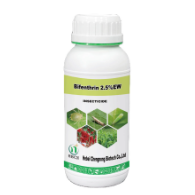
Solutions with Insecticide for Mealybugs
Mealybugs pose another unique challenge for gardeners, as their cotton-like appearance can disguise the serious harm they cause. These pests cluster around plant stems and roots, feeding on sap and weakening the plant’s natural growth. Because they often secrete a sticky substance that leads to sooty mold, mealybugs can quickly compromise both plant health and appearance. An effective insecticide for mealybugs is specifically designed to penetrate these protective waxy coatings and reach the insect directly. This targeted approach ensures that infestations are eliminated without unnecessary stress on the plant itself. By breaking down colonies at the source, gardeners can restore plants to full strength and encourage new growth. Regular treatment with insecticides formulated for mealybugs helps safeguard gardens against recurring infestations, offering long-term peace of mind. Choosing the right solution means creating a healthier growing environment that allows plants to flourish without the constant drain of hidden pests.
Protecting Growth with Insecticide for Plants
For gardeners who face a range of different pests throughout the season, choosing a versatile insecticide for plants is a strategic investment. Unlike targeted products that address a single insect, broad-spectrum solutions protect against multiple threats, from sap-sucking aphids to leaf-chewing beetles and root-infesting larvae. The true value of a reliable insecticide lies not only in immediate pest elimination but also in the protective shield it provides for weeks after application. This allows gardeners to focus more on cultivating their plants and less on battling infestations. Many of today’s advanced insecticides are also formulated to be user-friendly, offering easy application methods such as sprays, granules, or concentrates that can be mixed with water. Gardeners benefit from peace of mind, knowing their vegetables, flowers, and ornamental plants are supported by science-backed protection. The result is healthier growth, more abundant harvests, and gardens that stand resilient against pests year after year.
Insecticide for Plants FAQs
What is the best insecticide for aphids?
The best insecticide for aphids is one that works quickly to stop feeding behavior while remaining safe for a wide range of plants. Effective formulations penetrate the insect’s outer layers or interfere with their biological functions, ensuring lasting results. Look for products designed specifically for aphids, as these provide the most targeted and efficient control.
How does insecticide for japanese beetles work?
A high-quality insecticide for japanese beetles works by targeting adult beetles that feed on leaves and flowers while also disrupting larvae in the soil. This two-fold approach prevents damage both above and below the ground, keeping plants safe throughout the beetle’s life cycle. Some solutions also offer residual protection, reducing the likelihood of reinfestation.
Can insecticide for mealybugs be used on all plants?
Many types of insecticide for mealybugs are safe for use on a wide variety of ornamental plants, vegetables, and fruit trees. However, it is always important to check the product label to ensure compatibility with specific species. Some sensitive plants may require a more gentle formulation or lower concentration to avoid stress.
How often should insecticide for plants be applied?
The frequency of applying insecticide for plants depends on the severity of the infestation and the product’s formulation. Some insecticides offer extended protection for several weeks, while others may require more regular application. Following manufacturer instructions is the best way to ensure both effectiveness and safety.
Are modern insecticides safe for vegetable gardens?
Yes, many modern insecticides are specifically designed to be safe for vegetables when used as directed. Choosing the right insecticide for plants ensures that your vegetable garden remains productive and healthy without exposing crops to unnecessary risks. Always follow application guidelines carefully to ensure both effectiveness and food safety.
-
Carbendazim Efficacy On Tomato Blight
BeritaDec.13,2025
-
Boscalid Storage Temperature Requirements
BeritaDec.13,2025
-
Glufosinate Ammonium Herbicide Rain Fastness Time
BeritaDec.13,2025
-
Tembotrione Herbicide Weed Control Scope
BeritaDec.13,2025
-
Topramezone Dosage For Soybean Fields
BeritaDec.13,2025
-
Agrochemical Based Agriculture Crop Yield Boost
BeritaDec.13,2025