
- sales@chengnongagro.com
- Isn - Sab pada 7:00AM hingga 9:00AM

Okt . 20, 2025 16:30 Kembali kepada senarai
Environmental Impact of Malathion Usage and Disposal
In the agricultural sector, malathion, malathion insecticide, and malathion spray are widely used for pest control on various crops. However, understanding their environmental impact during usage and disposal is crucial for sustainable agriculture. For wholesalers, providing comprehensive knowledge about these impacts helps customers make informed decisions. HEBEI CHENGNONG BIOTECH CO., LTD. is committed to promoting the responsible use of malathion - based products, taking into account their environmental implications.
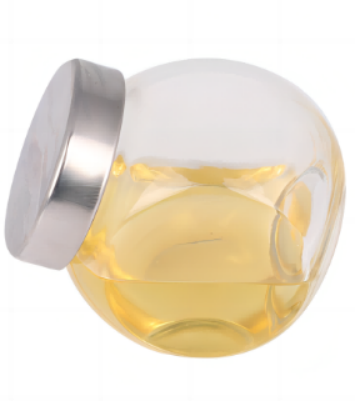
Malathion Product Information Table
|
Aspect |
Butiran |
|
Type |
Non - inhaled organophosphorus insecticide |
|
Efficacy Characteristics |
Good touch and fumigation effects, low toxicity, short residual period; effective against stinging and chewing mouthparts, good control against cotton bug bugs |
|
Penampilan |
Light yellow to brownish yellow liquid |
|
Solubility |
Insoluble in water, soluble in most organic solvents |
|
Fungsi |
Low toxic organophosphorus insecticide, acaricide with contact and stomach toxicity |
|
Usage Limitation |
Raw material for pesticide preparation processing, not for direct use on crops or other places |
Malathion Impact on Soil Environment
- When malathion insecticide is applied to fields growing crops like corn, wheat, and rice, it can have significant effects on the soil. Malathion, though having a relatively short residual period, can still alter the composition and activity of soil microorganisms. The chemical may inhibit the growth and reproduction of beneficial bacteria and fungi in the soil, which play essential roles in nutrient cycling, organic matter decomposition, and soil structure maintenance. For example, in a wheat field treated with malathion spray, the reduced activity of soil - dwelling microorganisms can slow down the decomposition of crop residues, affecting the release of nutrients back into the soil for subsequent crops. This, in turn, may lead to decreased soil fertility over time and potentially impact the long - term productivity of the land.
- Moreover, malathion can interact with soil particles. Its adsorption and desorption properties in the soil can influence its mobility and persistence. In sandy soils with lower organic matter content, malathion may be more likely to leach deeper into the soil profile, potentially contaminating groundwater sources. In contrast, in clay - rich soils with higher organic matter, the chemical may bind more strongly to soil particles, reducing its mobility but also increasing its potential for long - term accumulation in the upper soil layers, which can pose risks to soil - dwelling organisms and the overall soil ecosystem.
Malathion Spray and Water Pollution
- The application of malathion spray on agricultural lands, especially those near water bodies, can pose a significant threat to water quality. When it rains shortly after the application of malathion on crops such as peanuts, soybeans, or potatoes, the chemical can be washed off the fields and enter nearby streams, rivers, or lakes through surface runoff. Once in the water, malathion can be toxic to aquatic organisms. Fish, invertebrates, and other aquatic life may be affected by the chemical's contact and stomach - poisoning properties. For instance, in a river adjacent to a soybean field where malathion spray has been used, the presence of the chemical can lead to the death of sensitive fish species and disrupt the aquatic food chain, having cascading effects on the entire aquatic ecosystem.
- Additionally, malathion's solubility in organic solvents means that if it enters water bodies with oil or other organic contaminants, it can form complex mixtures that are even more difficult to degrade and remove. This can further exacerbate water pollution problems and increase the long - term environmental impact on aquatic ecosystems. The pollution of water sources not only harms aquatic life but also has implications for human water use, as contaminated water may need costly treatment processes to make it safe for drinking, irrigation, and other purposes.
Malathion Insecticide and Air Quality
- During the application of malathion insecticide, especially when using spraying equipment, there is a risk of malathion particles being released into the air. In agricultural operations involving crops like onions, peppers, and apples, the fine droplets of malathion spray can become airborne, contributing to air pollution. Inhalation of these malathion - containing particles can be harmful to human health, particularly for workers directly involved in the spraying process and nearby residents. Prolonged exposure to malathion in the air may cause respiratory problems, eye irritation, and other health issues.
- Moreover, malathion in the air can react with other atmospheric pollutants, such as ozone and nitrogen oxides, under certain environmental conditions. These chemical reactions can lead to the formation of secondary pollutants, which may have additional negative impacts on air quality and human health. The release of malathion into the atmosphere also has implications for the broader ecosystem, as it can affect the health of plants, insects, and other organisms that are exposed to the polluted air, potentially disrupting ecological balance in the area.
Malathion Environmental Impact FAQS
How can the impact of malathion spray on soil microorganisms be minimized?
To minimize the impact of malathion spray on soil microorganisms, farmers can adopt integrated pest management (IPM) strategies. This includes using malathion only when necessary and at the recommended dosages. Crop rotation can also help, as different crops may have varying tolerances to pests and can reduce the reliance on malathion. Additionally, applying organic amendments such as compost or manure to the soil can enhance the soil's resilience and support the growth of beneficial microorganisms, potentially reducing the negative effects of malathion on the soil microbiome.
What are the measures to prevent water pollution caused by malathion insecticide?
To prevent water pollution caused by malathion insecticide, buffer zones should be established between agricultural fields and water bodies. These buffer zones can be vegetated areas that help filter out runoff and reduce the amount of malathion entering the water. Farmers should also avoid applying malathion before heavy rains and use precision spraying techniques to minimize over - application and drift. Proper storage of malathion products to prevent spills and leaks, and ensuring that all equipment used for application is well - maintained and leak - free, are also important measures to safeguard water quality.
How does malathion affect non - target birds and mammals?
Malathion can affect non - target birds and mammals through the food chain. Birds may be poisoned when they eat insects that have been exposed to malathion. Small mammals can be affected if they consume plants or insects contaminated with the chemical. Additionally, direct exposure to malathion - treated areas, such as when mammals forage in treated fields, can also lead to poisoning. The toxic effects can range from mild symptoms like digestive problems to more severe consequences such as neurological damage and death, which can have a significant impact on the populations of these non - target organisms in agricultural ecosystems.
What are the proper disposal methods for malathion - containing products?
Proper disposal of malathion - containing products involves following local environmental regulations. Empty containers should be rinsed thoroughly several times, and the rinsate should be added to the spray mixture or disposed of as hazardous waste. Containers should then be recycled or disposed of at designated hazardous waste collection sites. For equipment cleaning, the rinse water should be collected and treated appropriately, either through on - site treatment systems or by transporting it to a licensed waste treatment facility. HEBEI CHENGNONG BIOTECH CO., LTD. provides detailed guidelines to customers on the correct disposal procedures to ensure environmental safety.
Can the use of malathion be made more environmentally friendly?
Yes, the use of malathion can be made more environmentally friendly. By adopting IPM practices, farmers can reduce the frequency and amount of malathion used. Using malathion in combination with biological control methods, such as introducing natural predators of pests, can enhance pest control while minimizing the chemical's environmental footprint. Additionally, advancements in formulation technology can lead to more targeted and less - volatile malathion products, reducing the potential for air and water pollution during application. Regular monitoring of the environment during and after malathion use can also help detect and address any emerging environmental issues promptly.
-
Carbendazim Efficacy On Tomato Blight
BeritaDec.13,2025
-
Boscalid Storage Temperature Requirements
BeritaDec.13,2025
-
Glufosinate Ammonium Herbicide Rain Fastness Time
BeritaDec.13,2025
-
Tembotrione Herbicide Weed Control Scope
BeritaDec.13,2025
-
Topramezone Dosage For Soybean Fields
BeritaDec.13,2025
-
Agrochemical Based Agriculture Crop Yield Boost
BeritaDec.13,2025