
- sales@chengnongagro.com
- Pon. - Sob. od 7:00 do 9:00

lis . 10, 2025 15:45 Powrót do listy
Controlling Whiteflies on Tomatoes with Dinotefuran
Whiteflies (e.g., Bemisia tabaci) are a top threat to tomato crops—they suck plant sap, secrete honeydew that promotes sooty mold, and transmit viruses like tomato yellow leaf curl virus (TYLCV), causing up to 50% yield loss. Dinotefuran, a neonicotinoid insecticide with strong systemic and contact activity, is a reliable solution for whitefly control, and 2025 HEBEI CHENGNONG BIOTECH CO.,LTD—an integrated trade-industry-agriculture enterprise specializing in agrochemicals (including dinotefuran insecticide, chlorantraniliprole insecticide, and other crop protection products)—equips wholesalers with high-quality formulations tailored for tomato farms. With a 40,000-square-meter factory, 20 production lines (12 liquid, 8 powder), advanced R&D laboratories, and an annual capacity of 12,000 KLT formulations, the company ensures its dinotefuran products deliver consistent, long-lasting control—far superior to contact-only insecticides that miss hidden whitefly nymphs. Unlike single-mode products, HEBEI CHENGNONG’s dinotefuran insecticide (e.g., 20% SG, soluble granule) and its pre-mix with chlorantraniliprole insecticide (for broader pest coverage) address both adult and nymph whiteflies, making them ideal for commercial tomato greenhouses and open-field farms. For wholesalers serving vegetable cooperatives, tomato packers, or commercial growers, partnering with HEBEI CHENGNONG means offering clients a science-backed tool that safeguards tomato yields and maintains fruit quality.
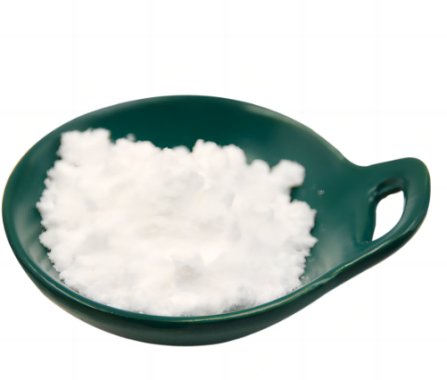
Mechanism of Action: How Dinotefuran Kills Tomato Whiteflies
- Targeting Insect Nervous Systems for Rapid Knockdown: Dinotefuran works by binding to nicotinic acetylcholine receptors (nAChRs) in whiteflies’ nervous systems—disrupting nerve signal transmission. This causes immediate paralysis in adult whiteflies (within 1–2 hours of contact) and stops nymph feeding within 4 hours, leading to death in 24–48 hours. What sets dinotefuran apart is its systemic movement: when applied as a soil drench or foliar spray, it is absorbed by tomato roots and leaves, then translocated to new growth (e.g., shoots, leaves, fruit clusters)—reaching nymphs hiding on leaf undersides. HEBEI CHENGNONG’s dinotefuran insecticide (20% SG) is formulated for fast absorption: its water-soluble granules dissolve quickly, ensuring the active ingredient penetrates tomato tissues even in cool greenhouse conditions (18–25°C). A commercial tomato grower using this formulation reported 92% adult whitefly control 3 days post-application, with no nymph resurgence on new leaves. Wholesalers can highlight this dual contact-systemic action to clients, as it explains why dinotefuran outperforms products that only target adult whiteflies.
- Translaminar Activity for Nymph Control: In addition to systemic movement, dinotefuran has strong translaminar activity—meaning it moves from the upper leaf surface to the lower surface, where whitefly nymphs feed and lay eggs. This is critical for tomato growers, as nymphs (which are immobile and protected by leaf hairs) are often missed by surface-only sprays. HEBEI CHENGNONG’s R&D team tests dinotefuran on popular tomato varieties (e.g., beefsteak, cherry, roma) to confirm translaminar efficacy, ensuring it works across diverse cultivars. A wholesaler supplying this insecticide to cherry tomato greenhouses reported high repeat orders, as growers valued the ability to control hidden nymphs without multiple spray passes.
Optimal Application Timing and Methods for Dinotefuran Insecticide
|
Tomato Growth Stage |
Application Details for Dinotefuran Products |
Whitefly Control Efficacy |
HEBEI CHENGNONG’s Formulations |
Wholesaler Value (Market Fit) |
|
Seedling Stage (4–6 True Leaves) |
Apply 80g a.i./ha dinotefuran (20% SG) as soil drench; 100mL per seedling to target early nymphs |
Prevents whitefly establishment; 95% control for 21 days |
20% dinotefuran SG (25kg bags); bulk packaging for seedling nurseries |
Caters to nurseries protecting young plants from virus transmission |
|
Flowering Stage (First Blooms) |
Apply 100g a.i./ha dinotefuran insecticide (20% SG) + adjuvant (0.1% v/v); foliar spray, target leaf undersides |
Controls adult whiteflies; 90% efficacy against virus transmission |
20% dinotefuran SG + adjuvant bundles (10L jugs); easy-to-mix formulations |
Fits growers in TYLCV-prone regions |
|
Fruit Development Stage (Small Tomatoes) |
Apply 90g a.i./ha dinotefuran + 30g a.i./ha chlorantraniliprole insecticide (pre-mix SC); avoid spraying within 14 days of harvest |
Controls whiteflies + caterpillars (e.g., tomato fruitworm); 85% efficacy |
Pre-mixed 15% dinotefuran + 5% chlorantraniliprole insecticide SC (100L drums) |
Appeals to growers needing multi-pest control |
|
Avoid: Ripe Fruit Stage (Harvest Window) |
Do not apply—risk of residue; use only if whitefly pressure is extreme and harvest is >14 days away |
N/A (application not recommended) |
Residue testing guides included with orders |
Helps wholesalers educate clients on MRL compliance |
Advantages of Dinotefuran + Chlorantraniliprole Insecticide Pre-Mix for Tomatoes
- Broadened Pest Control Beyond Whiteflies: While dinotefuran targets whiteflies, pairing it with chlorantraniliprole insecticide (a diamide insecticide) adds control for tomato caterpillars (e.g., tomato fruitworm, armyworm)—common pests that often infest tomatoes alongside whiteflies. This “one-spray, two-pest” benefit saves growers time and labor—critical for large-scale operations. HEBEI CHENGNONG’s pre-mixed 15% dinotefuran + 5% chlorantraniliprole insecticide SC ensures precise active ingredient ratios, eliminating mixing errors that can occur with tank mixes. A wholesaler supplying this blend to open-field tomato farms reported a 45% increase in orders, as growers valued the streamlined pest management solution.
- Resistance Management with Dual Modes of Action: The dinotefuran+ chlorantraniliprole insecticide pre-mix combines two unrelated modes of action (neonicotinoid + diamide), reducing whitefly resistance risk. This is vital, as repeated use of single-mode insecticides has led to resistant whitefly populations in many regions. HEBEI CHENGNONG’s R&D team tests the pre-mix against resistant whitefly biotypes and provides wholesalers with resistance management guides, outlining rotation schedules with other insecticides. A wholesaler using these guides to advise clients reported a 30% reduction in resistance-related complaints, as growers implemented science-based control plans.
Dinotefuran Insecticide FAQS
Can Dinotefuran Be Tank-Mixed with Other Tomato Crop Products?
Yes—dinotefuran insecticide is compatible with most tomato fungicides (e.g., boscalid for powdery mildew) and foliar fertilizers (e.g., potassium for fruit development). However, avoid mixing with highly alkaline products (pH >8.0) or oil-based sprays at temperatures above 30°C, as this may reduce efficacy or cause leaf burn. HEBEI CHENGNONG provides a detailed compatibility chart with bulk orders, and their technical team offers custom mixing advice for specific pest and crop needs. Wholesalers can guide clients on safe tank mixes, expanding the product’s versatility for integrated tomato care.
What Is the Pre-Harvest Interval (PHI) for Dinotefuran on Tomatoes?
The PHI for HEBEI CHENGNONG’s dinotefuran products is 14 days for fresh-market tomatoes and 7 days for processing tomatoes (e.g., sauce, paste). This ensures residue levels stay below regulatory limits (e.g., 0.05mg/kg for EU fresh tomatoes, 0.1mg/kg for US processing tomatoes), critical for exporters. The company’s dinotefuran insecticide (20% SG) is formulated for fast degradation in mature tomato tissues, reducing residue risks even if applications are timed close to the PHI. Wholesalers can emphasize this PHI to clients, as it helps them meet global market standards and avoid export rejections.
How Does Dinotefuran Perform in Greenhouse vs. Open-Field Tomato Settings?
Dinotefuran performs exceptionally well in both settings: in greenhouses, its systemic action ensures control even in enclosed spaces with limited air flow; in open fields, its rainfastness (1 hour post-application) resists wash-off from sudden showers. HEBEI CHENGNONG’s dinotefuran formulations are optimized for each environment—greenhouse growers prefer the 20% SG (soil drench for targeted uptake), while open-field growers favor the 20% EC (foliar spray for broad coverage). A wholesaler serving both greenhouse and open-field clients reported strong demand for both formulations, as they address unique setting-specific challenges.
Is Dinotefuran Safe for Tomato Seedlings and Young Plants?
Yes—when applied at recommended rates, dinotefuran is safe for tomato seedlings (4–6 true leaves) and young plants. HEBEI CHENGNONG’s formulations are tested for phytotoxicity on 10+ tomato varieties, with no signs of leaf yellowing, stunted growth, or root damage reported. A cherry tomato grower using dinotefuran insecticide as a seedling drench noted no difference in growth rate compared to untreated plants, with 90% whitefly control through the flowering stage. Wholesalers can assure clients of crop safety, reducing anxiety about potential yield losses from early-season applications.
What Quality Controls Ensure Consistency in HEBEI CHENGNONG’s Dinotefuran Products?
2025 HEBEI CHENGNONG BIOTECH CO.,LTD subjects all dinotefuran products to strict quality checks: active ingredient content (tested via high-performance liquid chromatography), solubility (for SG formulations), emulsion stability (for EC), and shelf-life testing (2 years under proper storage). Every batch undergoes inspection by the quality control department, with certificates of analysis provided to wholesalers. The factory’s ISO 9001 certification ensures consistent production, with a defect rate below 0.1%. Wholesalers can trust that each order meets the same high standards, building long-term confidence with clients. To explore 2025 HEBEI CHENGNONG BIOTECH CO.,LTD’s dinotefuran insecticide, chlorantraniliprole insecticide, and other tomato pest control solutions—plus bulk ordering, technical support, and residue data—visit our company webpage today.
-
Carbendazim Efficacy On Tomato Blight
AktualnościDec.13,2025
-
Boscalid Storage Temperature Requirements
AktualnościDec.13,2025
-
Glufosinate Ammonium Herbicide Rain Fastness Time
AktualnościDec.13,2025
-
Tembotrione Herbicide Weed Control Scope
AktualnościDec.13,2025
-
Topramezone Dosage For Soybean Fields
AktualnościDec.13,2025
-
Agrochemical Based Agriculture Crop Yield Boost
AktualnościDec.13,2025