
- sales@chengnongagro.com
- Seg - Sábado das 7h00 às 9h00

Set . 11, 2025 09:47 De volta à lista
High-Performance AGAS Insecticide Solutions for Modern Agriculture
In today’s agricultural landscape, the efficiency and reliability of pest management tools determine crop yield, farmer profitability, and sustainable food supply. Among the many solutions available, agas insecticide, insecticide for aphids, and insecticide for rice stand out as indispensable products that safeguard crops from destructive pests while supporting long-term agricultural productivity. With continuous advancements in agrochemical technology, farmers now have access to targeted and effective solutions that minimize environmental risks and maximize protection across different crop types.
AGAS Insecticide for Sustainable Pest Control
The agricultural industry demands insecticides that deliver fast, reliable, and broad-spectrum pest control. Agas insecticide has earned a reputation as a trusted option for farmers seeking both efficacy and safety. It works through systemic and contact actions, ensuring that pests feeding on leaves, stems, and roots are effectively eliminated. Unlike conventional options that may harm beneficial insects or the soil ecosystem, agas insecticide is designed to balance potency with safety. It is widely applied in cereals, vegetables, and fruit crops, making it a versatile choice for diverse agricultural operations. Its formulation ensures even distribution when sprayed, providing thorough coverage and long-lasting protection. Farmers who integrate agas insecticide into their crop protection program can expect reduced crop losses, improved plant vigor, and higher overall yields, reinforcing its value in modern farming.
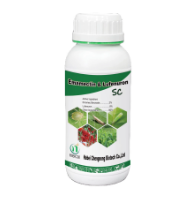
Effective Insecticide for Aphids in Crop Protection
Aphids are among the most persistent and damaging pests affecting global agriculture. Their rapid reproduction and ability to transmit plant viruses make them a serious concern for crops such as vegetables, fruits, and grains. A specialized insecticide for aphids offers an effective means of controlling infestations before they spiral out of control. These formulations are often designed to disrupt the feeding behavior of aphids, preventing them from extracting plant sap and transmitting diseases. The benefit of modern aphid-focused insecticides lies in their selectivity: they target aphids without severely impacting beneficial pollinators like bees. This selectivity not only preserves ecological balance but also ensures crops continue to benefit from natural pollination. Additionally, many of these insecticides are engineered for rapid absorption, meaning the plants become protected shortly after application, giving farmers a powerful defense against sudden outbreaks.
Versatile Applications of General Insecticide in Farming
While crop-specific insecticides address targeted pest challenges, a broad-spectrum insecticide remains vital for comprehensive pest management. These general formulations are effective against a wide range of insect species, including caterpillars, beetles, and leafhoppers. Farmers benefit from the adaptability of such insecticides, as they can be applied across multiple crop types with consistent results. In commercial farming, where fields often contain different plant varieties, a reliable insecticide ensures that unexpected pest infestations can be swiftly addressed. Modern insecticides are increasingly designed to minimize resistance build-up, incorporating innovative chemical structures or combinations that prevent pests from developing immunity. With growing global demand for food security, the importance of efficient, adaptable insecticides cannot be overstated—they serve as the backbone of pest management strategies in both small-scale and industrial farming operations.
Specialized Insecticide for Rice Farming Needs
Rice, as one of the world’s most important staple crops, requires consistent protection from pests that threaten food supply chains. A tailored insecticide for rice plays a critical role in safeguarding paddies against rice stem borers, leafhoppers, and planthoppers. These pests can severely damage rice plants, leading to stunted growth and reduced grain output. Rice-specific insecticides are often formulated to withstand waterlogged conditions, ensuring durability and effectiveness even in challenging environments. By penetrating rice plants and providing systemic protection, they prevent damage during critical growth stages, from seedling to grain filling. Furthermore, integrated pest management programs often recommend these insecticides because of their compatibility with other agronomic practices, such as fertilizers and fungicides. For rice farmers seeking reliable harvests and improved grain quality, insecticide solutions tailored to rice cultivation are indispensable tools that ensure resilience against pest pressures.
Insecticide FAQs
What makes agas insecticide different from traditional pest control products?
Agas insecticide is designed with modern agricultural demands in mind, combining systemic and contact actions for broader coverage. Unlike many traditional options, it minimizes harm to beneficial insects and delivers long-lasting protection across diverse crops, making it a more sustainable choice.
How does an insecticide for aphids protect crops effectively?
An insecticide for aphids works by disrupting the feeding mechanism of the pest, preventing it from extracting plant sap and spreading viruses. Its targeted action reduces crop stress while protecting yield quality, and its quick absorption ensures plants become resistant to infestations shortly after treatment.
Can general insecticide be used safely across different types of crops?
Yes, modern insecticides are formulated for broad-spectrum use and safety. They are designed to work effectively on multiple crop types without leaving harmful residues, making them practical for farmers with diverse planting operations. Proper dosage and adherence to safety guidelines ensure reliable performance.
Why is insecticide for rice specifically formulated?
Rice requires insecticides that can perform in waterlogged conditions while targeting pests unique to rice cultivation. These formulations are resistant to dilution, provide systemic plant protection, and help farmers maintain grain quality and yield even in challenging environments.
How can farmers prevent insecticide resistance in pests?
To prevent resistance, farmers are encouraged to rotate between different classes of insecticides, combine them with biological control methods, and follow recommended application rates. Modern insecticides are also engineered with advanced chemistry to slow down the resistance process, ensuring long-term effectiveness.
-
Carbendazim Efficacy On Tomato Blight
NotíciasDec.13,2025
-
Boscalid Storage Temperature Requirements
NotíciasDec.13,2025
-
Glufosinate Ammonium Herbicide Rain Fastness Time
NotíciasDec.13,2025
-
Tembotrione Herbicide Weed Control Scope
NotíciasDec.13,2025
-
Topramezone Dosage For Soybean Fields
NotíciasDec.13,2025
-
Agrochemical Based Agriculture Crop Yield Boost
NotíciasDec.13,2025