
- sales@chengnongagro.com
- Seg - Sábado das 7h00 às 9h00

Out . 10, 2025 09:34 De volta à lista
Mechanisms of Action of Topramezone
In the ever - evolving landscape of modern agriculture, the battle against weeds is a constant challenge that directly impacts crop productivity. Topramezone, a powerful and innovative solution, has emerged as a game - changer in weed control. Topramezone herbicide products, with their reliable performance, have become indispensable tools for farmers, and HEBEI CHENGNONG BIOTECH CO.,LTD. is at the forefront of providing high - quality topramezone products to meet the industry's demands.
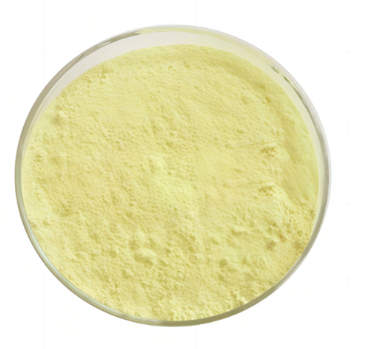
Topramezone Product Specifications Table
|
Aspect |
Detalhes |
|
Product Name |
Topramezone |
|
Formulação |
SC |
|
CAS NO. |
210631 - 68 - 8 |
|
Shelf Life |
2 anos |
|
Função |
Herbicida |
|
Embalagem |
According to customer’s requirement |
|
Porta |
Xangai, Qingdao, Ningbo, Dalian, Guangzhou, Tianjin, Shenzhen, Yiwu |
|
Pagamento |
VISA、Paypal、TT、L/C、D/A、D/p |
Topramezone Herbicide in Field Crops
- In the realm of agrochemical based agriculture, topramezone herbicide proves to be highly effective across a variety of field crops. In corn fields, it stands as a formidable defense against a multitude of broadleaf weeds and certain grassy weeds. Common lambsquarters, pigweed, and foxtail, which compete aggressively with corn for vital resources like nutrients, water, and sunlight, are precisely targeted by topramezone. By interfering with the physiological processes of these weeds, topramezone inhibits their growth and development, preventing them from establishing and thriving. This allows corn plants to grow without hindrance, resulting in increased yields and higher - quality grains.
- For wheat fields, topramezone herbicide plays a vital role in controlling weeds such as wild oats and chickweed. These weeds not only steal resources from wheat plants but also serve as habitats for pests and diseases, significantly reducing wheat yields. With the application of topramezone, wheat farmers can maintain weed - free fields, ensuring that their crops receive optimal growing conditions and maximizing their harvest potential.
- In rice paddies, topramezone is an essential tool for managing aquatic and semi - aquatic weeds. Weeds like waterhemp and smartweed can disrupt the growth of rice plants by interfering with water flow and nutrient uptake. By applying topramezone herbicide at the right time, rice growers can keep their paddies free from these unwanted invaders, promoting healthy rice growth and achieving maximum yields.
- When it comes to peanut and soybean fields, topramezone helps address the issue of weeds that can complicate the harvest process. Weeds growing among peanut plants or around soybean rows can impede efficient harvesting. By eliminating these weeds, topramezone herbicide ensures a smoother and more productive harvest for these important oilseed crops, enhancing their economic value.
Topramezone Products in Fruit and Vegetable Crops
- Topramezone products also offer significant advantages in fruit and vegetable cultivation. In apple orchards, they are used to manage weeds that grow beneath the trees. These weeds not only compete with apple trees for nutrients and water but also provide hiding places for pests. By effectively controlling these weeds, topramezone helps maintain the health of apple trees, enabling them to produce larger, sweeter fruits with improved marketability.
- In citrus groves, topramezone herbicide is applied to control weeds that may impede the growth of young citrus trees or affect the quality of the fruit. By ensuring that citrus plants have unobstructed access to resources, topramezone contributes to the production of high - quality citrus fruits with enhanced flavor and higher market value.
- For vegetable crops, topramezone products are versatile and valuable. In potato fields, they target weeds that can shade the potato plants, thereby reducing photosynthesis and negatively impacting tuber development. By keeping the fields weed - free, topramezone herbicide promotes healthier potato plants and larger, more abundant potato tubers.
- In onion fields, topramezone helps manage weeds that can slow down the growth of onions and make them more vulnerable to diseases. In chili pepper plantations, it controls weeds that compete with the peppers for resources, ensuring that the chili plants can grow vigorously and produce abundant, high - quality peppers. For sugarcane, topramezone products are used to control weeds growing alongside the sugarcane stalks, allowing the sugarcane to grow tall and strong, with increased sugar content.
The Mechanism of Action of Topramezone
- The remarkable effectiveness of topramezone is rooted in its unique mechanism of action. Topramezone targets and inhibits the enzyme 4 - hydroxyphenylpyruvate dioxygenase (HPPD). This enzyme plays a crucial role in the biosynthesis of plastoquinone and tocopherols in plants. Plastoquinone is essential for the electron - transport chain in photosynthesis, while tocopherols, such as vitamin E, have antioxidant properties that protect plant cells from oxidative damage.
- When topramezone interferes with HPPD, it disrupts the normal production of these essential compounds. Without sufficient plastoquinone, plants are unable to carry out photosynthesis efficiently. Chlorophyll synthesis is also severely affected, leading to a characteristic bleaching of the leaves in susceptible weeds. As the weed's ability to produce energy through photosynthesis is compromised, it gradually weakens. Unable to sustain its growth and metabolic processes, the weed eventually dies. This targeted action on the weed's physiological processes gives topramezone its high efficacy in controlling a wide range of weeds. Moreover, most crop plants have different sensitivities or compensatory mechanisms, allowing topramezone to selectively target weeds while having minimal impact on the crops, making it a valuable asset in modern agriculture.
Topramezone FAQS
How does topramezone work to control weeds in different crops?
Topramezone controls weeds by inhibiting the HPPD enzyme. In various crops, whether it's corn, wheat, rice, or fruit and vegetable crops, the presence of weeds competes for resources. By blocking HPPD, topramezone disrupts the biosynthesis of plastoquinone and tocopherols in weeds. This disruption impairs photosynthesis and causes chlorophyll bleaching, preventing weeds from producing energy. As a result, the weeds weaken and die, allowing the crops to grow without competition for nutrients, water, and sunlight.
What makes topramezone products suitable for fruit and vegetable cultivation?
Topramezone products are suitable for fruit and vegetable cultivation due to their targeted mode of action. They effectively control a wide range of weeds that can harm fruit and vegetable plants by competing for resources. At the same time, topramezone has minimal impact on the crops themselves, ensuring the safety and integrity of the harvest. This allows growers to produce high - quality fruits and vegetables with improved yields, making topramezone herbicide an ideal choice for maintaining healthy and productive orchards and vegetable gardens.
How does the mechanism of action of topramezone differ from other herbicides?
The mechanism of action of topramezone differs significantly from many other herbicides. While some herbicides target cell division, protein synthesis, or other processes, topramezone specifically inhibits the HPPD enzyme. This unique target enables topramezone to control a distinct spectrum of weeds compared to other herbicides. It can effectively target weeds that have developed resistance or tolerance to commonly used herbicides, providing an alternative approach to weed management. Its ability to disrupt photosynthesis - related processes offers a different and often more effective strategy in integrated weed management programs.
What environmental factors influence the degradation of topramezone?
Several environmental factors influence the degradation of topramezone. Soil type is a key factor, as different soil compositions can affect the rate of degradation. For example, sandy soils may allow for more rapid movement and degradation compared to clayey soils. Soil moisture and the presence of soil microorganisms also play important roles. Well - moistened soils with a diverse microbial population tend to facilitate faster degradation. Temperature is another crucial factor, with higher temperatures generally speeding up the degradation process. Additionally, exposure to sunlight can contribute to the breakdown of topramezone in the environment.
How can wholesalers educate customers about the proper use of topramezone products?
Wholesalers can educate customers about the proper use of topramezone products in several ways. They can provide detailed product information sheets that explain the correct application rates, suitable timing for different crops and weed growth stages, and the most effective application methods. Conducting training sessions or webinars on the mechanism of action of topramezone and integrated weed management practices can also help customers understand how to use the product effectively. Additionally, wholesalers can offer ongoing support, answering customer questions promptly and providing updates on the latest research and best practices related to topramezone herbicide use. By ensuring customers are well - informed, wholesalers can help them achieve optimal results while minimizing environmental risks.
-
Carbendazim Efficacy On Tomato Blight
NotíciasDec.13,2025
-
Boscalid Storage Temperature Requirements
NotíciasDec.13,2025
-
Glufosinate Ammonium Herbicide Rain Fastness Time
NotíciasDec.13,2025
-
Tembotrione Herbicide Weed Control Scope
NotíciasDec.13,2025
-
Topramezone Dosage For Soybean Fields
NotíciasDec.13,2025
-
Agrochemical Based Agriculture Crop Yield Boost
NotíciasDec.13,2025