

Sep . 24, 2025 19:25 Back to list
Key Aspects of Aluminium Phosphide for Pest Control
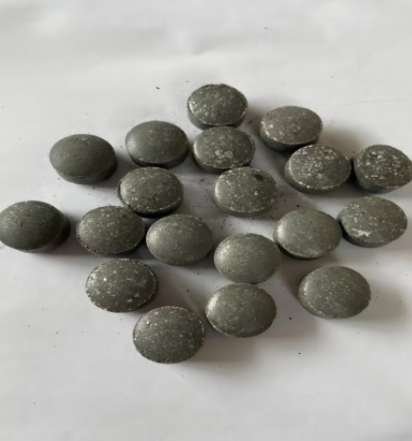
Aluminium phosphide—a highly effective fumigant—is a cornerstone in stored grain and structural pest control, targeting insects like weevils, beetles, and rodents that destroy crops and stored commodities. Its formulations, such as aluminum phosphide tablets, release toxic phosphine gas that penetrates deep into stored materials, ensuring thorough pest elimination. For wholesalers serving agricultural cooperatives, grain storage facilities, or pest control companies, providing high-quality aluminium phosphide (and its derivatives like aluminium phosphorus) is critical to helping clients protect their valuable assets. HEBEI CHENGNONG BIOTECH CO.,LTD, a leading Shijiazhuang-based agrochemical exporter with over 20 years of experience, specializes in premium aluminium phosphide products, ensuring consistent efficacy and strict adherence to safety standards for global clients.
Mode of Action of Aluminium Phosphide for Pest Elimination
- Phosphine Gas Release from Aluminium Phosphide: Aluminium phosphide works by reacting with moisture in the air (or in stored materials) to release phosphine gas (PH₃)—a highly toxic compound that disrupts pest cellular respiration. Unlike contact insecticides that only target surface pests, phosphine gas diffuses through grain bins, silos, or structural voids, reaching hidden pests in deep layers of stored grain or tight crevices. This makes aluminium phosphide ideal for large-scale storage facilities, where complete pest elimination is critical to preventing commodity spoilage. ChengNong’s aluminium phosphide products are formulated to release gas at a steady rate (2–3 days for full release), ensuring prolonged exposure that kills all pest life stages (eggs, larvae, adults). For wholesalers, this mode of action is a key selling point: it eliminates the need for multiple treatments, saving clients time and labor.
- Role of Aluminium Phosphorus in Fumigation: Aluminium phosphorus—the active component in aluminium phosphide—is the source of phosphine gas, and its purity directly impacts fumigation efficacy. ChengNong uses high-purity aluminium phosphorus(95%+ purity) in their products, ensuring consistent gas release and avoiding uneven pest control caused by impure formulations. Impure aluminium phosphorus may release toxic byproducts or fail to reach lethal gas concentrations, leading to incomplete pest elimination and potential resistance. For wholesalers, this focus on purity ensures clients get reliable results, reducing complaints and returns related to ineffective fumigation.
Practical Application of Aluminum Phosphide Tablets
- Easy Handling and Dosage with Aluminum Phosphide Tablets: Aluminum phosphide tablets are the most user-friendly formulation of aluminium phosphide, designed for precise dosing and safe handling. Each tablet (typically 0.6g or 3g) is wrapped in moisture-resistant packaging to prevent premature gas release, and ChengNong provides clear dosage guidelines (e.g., 1–2 tablets per cubic meter of stored grain) based on pest type and storage volume. For example, a grain bin storing 100 cubic meters of wheat would require 100–200 aluminum phosphide tablets to achieve effective fumigation. The tablets are placed directly in grain piles or on trays in structural fumigation, eliminating the need for specialized equipment. For wholesalers, this ease of use makes aluminum phosphide tablets popular among clients with varying levels of fumigation experience, from small-scale farmers to large storage facilities.
- Safety Features of Aluminum Phosphide Tablets: Fumigation with aluminium phosphide requires strict safety measures, and ChengNong’s aluminum phosphide tablets include built-in safety features to minimize risk. Each tablet is marked with clear warning labels and instructions for proper ventilation (critical for safe re-entry after fumigation), and the packaging includes gas detection strips to monitor phosphine levels. ChengNong also provides safety training materials for wholesalers to share with clients, covering topics like personal protective equipment (PPE) use and emergency response. For wholesalers, these safety features reduce liability risks: clients can use aluminum phosphide tablets confidently, knowing they have the tools to minimize exposure to toxic gas.
Aluminium Phosphide Products for Different Fumigation Needs
|
Product Type |
Key Feature |
Ideal Application |
Dosage Guideline |
ChengNong Advantage |
|
Aluminum Phosphide Tablets (0.6g) |
Small size; precise dosing |
Small grain storage (≤50 cubic meters) |
1 tablet per 1–2 cubic meters |
Moisture-resistant packaging; easy to distribute |
|
Aluminum Phosphide Tablets (3g) |
Large size; high gas output |
Large grain bins/silos (≥100 cubic meters) |
1 tablet per 5–10 cubic meters |
Fast gas release; reduces number of tablets needed |
|
Aluminium Phosphide Pellets |
Slow release; long fumigation period |
Structural pest control (termite nests) |
5–10 pellets per structural void |
Consistent gas levels; targets deep infestations |
|
Aluminium Phosphide Powder |
High purity; customizable mixing |
Industrial-scale fumigation |
0.5–1kg per 1000 cubic meters |
Flexible dosing; compatible with fumigation machines |
Safety and Compliance for Aluminium Phosphide Use
- Adherence to Global Safety Standards: Aluminium phosphide is a regulated pesticide, and ChengNong’s products meet global safety standards (e.g., EPA in the US, EU BPR) to ensure compliance with local regulations. Their aluminum phosphide tablets are registered with relevant authorities in major markets, and each batch includes a certificate of analysis (CoA) to verify purity and safety. For wholesalers serving international clients, this compliance is essential: it eliminates barriers to entry in different countries and ensures clients avoid legal penalties related to unregistered pesticides. ChengNong’s regulatory team stays updated on changing standards, helping wholesalers navigate complex import requirements.
- Post-Fumigation Ventilation and Re-Entry: Safe re-entry after fumigation is critical, and ChengNong provides detailed guidelines for ventilating spaces treated with aluminium phosphide. Depending on the application (grain vs. structural), ventilation times range from 24–72 hours, and gas detection must confirm phosphine levels are below safe thresholds (≤0.3 ppm) before re-entry. ChengNong also offers gas detection equipment as add-ons for wholesalers, ensuring clients have the tools to monitor safety. For wholesalers, this focus on post-fumigation safety builds trust: clients see that ChengNong prioritizes not just efficacy, but also the well-being of their workers.
Aluminium Phosphide FAQS
Is Aluminium Phosphide Safe for Organic Stored Crops?
No—aluminium phosphide is a synthetic fumigant and is not approved for use on certified organic stored crops. However, it is widely used in conventional crop storage and is compatible with integrated pest management (IPM) programs, where it is used as a targeted treatment for severe infestations. ChengNong also offers organic-compliant pest control alternatives (e.g., diatomaceous earth) for wholesalers serving organic clients, ensuring they can meet diverse market needs.
How Long Does Aluminum Phosphide Tablets Take to Eliminate Pests?
Aluminum phosphide tablets release phosphine gas over 2–3 days, and complete pest elimination typically takes 3–7 days, depending on pest type and storage conditions. For example, adult weevils are killed within 2–3 days, while eggs and larvae may require 5–7 days of exposure to lethal gas concentrations. ChengNong recommends sealing the treated area for at least 7 days to ensure all life stages are eliminated, then ventilating for 24–48 hours before re-entry. For wholesalers, this timeline helps clients plan fumigation schedules, minimizing disruption to storage operations.
Can Aluminium Phosphide Be Used in Food Processing Facilities?
Yes—aluminium phosphide can be used in food processing facilities, but only during non-operational periods and with strict adherence to safety and residue guidelines. ChengNong’s aluminum phosphide tablets are formulated to leave no detectable residues on food contact surfaces when used according to label instructions, and they provide detailed cleaning guidelines post-fumigation. For wholesalers serving food processing clients, this residue-free feature is critical: it ensures compliance with food safety standards (e.g., FDA, EU MRLs) and avoids product contamination.
What Should Be Done in Case of Accidental Exposure to Aluminium Phosphide Gas?
Accidental exposure to phosphine gas (from aluminium phosphide) requires immediate action: move to fresh air, seek medical attention, and provide the medical team with details about aluminium phosphide exposure. ChengNong’s product packaging includes emergency contact information and first-aid guidelines, and they advise clients to have an emergency response plan in place before fumigation. For wholesalers, sharing this information with clients is essential: it minimizes the risk of serious health incidents and demonstrates a commitment to safety
.
Where Can Wholesalers Source High-Quality Aluminium Phosphide Products?
HEBEI CHENGNONG BIOTECH CO.,LTD is a trusted supplier of high-quality aluminium phosphide, aluminum phosphide tablets, and aluminium phosphorus—backed by 20+ years of experience in agrochemical production and export. Their products meet global safety and efficacy standards, and they offer bulk ordering options tailored to wholesalers’ needs.
-
Carbendazim Efficacy On Tomato Blight
NewsDec.13,2025
-
Boscalid Storage Temperature Requirements
NewsDec.13,2025
-
Glufosinate Ammonium Herbicide Rain Fastness Time
NewsDec.13,2025
-
Tembotrione Herbicide Weed Control Scope
NewsDec.13,2025
-
Topramezone Dosage For Soybean Fields
NewsDec.13,2025
-
Agrochemical Based Agriculture Crop Yield Boost
NewsDec.13,2025