
- sales@chengnongagro.com
- Pazartesi - Cumartesi 07:00 - 09:00

Eki . 20, 2025 16:08 Listeye geri dön
Compatibility of Glufosinat Ammonium with Other Agricultural Chemicals
In the complex landscape of modern agriculture, understanding the compatibility of ammonium glufosinate herbicide, basta glufosinate, and glufosinat ammonium with other agricultural chemicals is crucial for effective pest and weed management. For wholesalers, providing comprehensive knowledge about these compatibilities helps farmers and agricultural enterprises make informed decisions, optimizing their chemical usage while ensuring crop safety. HEBEI CHENGNONG BIOTECH CO., LTD. is dedicated to supplying high-quality glufosinat ammonium products and emphasizes the importance of proper chemical compatibility to support sustainable agricultural practices.
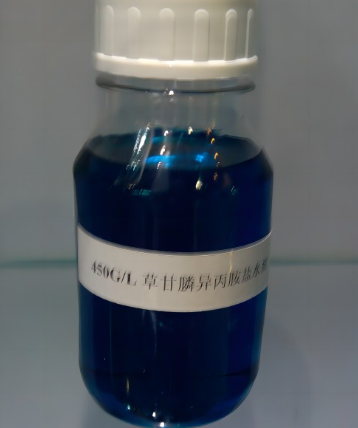
Glufosinat Ammonium Product Information Table
|
Aspect |
Detaylar |
|
Ürün adı |
Glufosinat Amonyum |
|
Formülasyon |
TC, SL |
|
CAS Numarası. |
77182 - 82 - 2 |
|
Raf ömrü |
2 yıl |
|
İşlev |
Herbisit |
|
Paketleme |
500g/bottle or according to customer’s requirement |
|
Liman |
Şanghay, Qingdao, Ningbo, Dalian, Guangzhou, Tianjin, Shenzhen, Yiwu |
|
Ödeme |
VISA、Paypal、TT、L/C、D/A、D/p |
Glufosinat Ammonium Compatibility with Insecticides and Fungicides
- When it comes to using glufosinat ammonium in combination with insecticides on various crops, compatibility can vary. In corn fields, where both weeds and pests like corn borers need to be managed, mixing ammonium glufosinate herbicide with certain insecticides can be effective if they are compatible. For example, some pyrethroid - based insecticides can be mixed with glufosinat ammonium without significant chemical reactions. However, it's essential to check the labels of both products. In apple orchards, combining basta glufosinate with fungicides to control weeds and fungal diseases simultaneously can be a time - and cost - saving strategy. But not all fungicides are compatible. Copper - based fungicides, for instance, may react with glufosinat ammonium, reducing the effectiveness of both chemicals or causing phytotoxicity to the apple trees. Therefore, farmers need to conduct small - scale compatibility tests before large - scale application.
- In rice paddies, where managing weeds and rice planthoppers is crucial, the compatibility of glufosinat ammonium with insecticides such as neonicotinoids needs careful consideration. Mixing them incorrectly can lead to precipitation or changes in the spray solution's pH, affecting the efficacy of the herbicide and insecticide. Similarly, in soybean fields, when trying to control weeds with ammonium glufosinate herbicide while protecting the crop from soybean aphids with insecticides, understanding compatibility is key. Some organic insecticides might not blend well with glufosinat ammonium, potentially causing clumping or reduced coverage during spraying, which can impact the overall effectiveness of pest and weed control.
Basta Glufosinate Compatibility with Fertilizers
- The compatibility of basta glufosinate with fertilizers is an important aspect for farmers aiming to improve crop growth while controlling weeds. In wheat fields, applying glufosinat ammonium along with nitrogen - based fertilizers can be beneficial if they are compatible. However, fertilizers with high metal ion content, such as some micronutrient - rich fertilizers, may react with ammonium glufosinate herbicide. These reactions can form insoluble complexes, reducing the availability of both the herbicide and the nutrients in the soil. In potato plantations, when using basta glufosinate to manage weeds, combining it with potassium - rich fertilizers needs to be done with caution. The chemical properties of the two substances might interact, altering the spray solution's viscosity and potentially affecting the uniform distribution of the herbicide on the weeds.
- For sugarcane crops, where large amounts of fertilizers are used to support growth, the compatibility of glufosinat ammonium with fertilizers becomes even more critical. Applying ammonium glufosinate herbicide together with phosphorus - based fertilizers may lead to changes in the soil's pH around the root zone, which can impact the uptake of nutrients by the sugarcane plants. In citrus orchards, when using basta glufosinate to clear weeds, mixing it with foliar fertilizers should be carefully evaluated. Some foliar fertilizers might contain surfactants or additives that can react with glufosinat ammonium, causing the formation of foam or sediment in the spray tank, which can disrupt the spraying process and reduce the effectiveness of weed control.
Factors Affecting Ammonium Glufosinate Herbicide Compatibility
- Chemical Properties play a significant role in determining the compatibility of ammonium glufosinate herbicide with other agricultural chemicals. Glufosinat ammonium has a specific chemical structure and reactivity. For example, its ionic nature means it can react with chemicals that have opposite charges or specific functional groups. Chemicals with strong acidic or basic properties may react with glufosinat ammonium, altering its chemical structure and reducing its herbicidal activity. In addition, the solubility of different chemicals in the spray solution can also affect compatibility. If two chemicals have different solubility characteristics, they may separate or precipitate when mixed, leading to poor performance during application.
- Formulation and Additives also impact compatibility. Glufosinat ammonium is available in different formulations like TC (technical concentrate) and SL (solution in liquid). Each formulation may have different additives, such as surfactants, stabilizers, or solvents. These additives can interact with the additives in other agricultural chemicals. For instance, some surfactants in basta glufosinate formulations may not be compatible with the emulsifiers in certain insecticide formulations. When these incompatible additives meet, they can cause the breakdown of the emulsion or suspension, resulting in uneven spraying and reduced effectiveness of both chemicals.
- Environmental Conditions during mixing and application can influence compatibility. Temperature and humidity can affect the chemical reactions between glufosinat ammonium and other chemicals. Higher temperatures can accelerate chemical reactions, potentially leading to unwanted interactions. Humidity can also impact the stability of the spray solution. In high - humidity conditions, some chemicals may absorb moisture and change their physical properties, affecting the compatibility with ammonium glufosinate herbicide. Additionally, the water quality used for diluting the chemicals can play a role. Hard water, which contains high levels of calcium and magnesium ions, can react with glufosinat ammonium and other chemicals, forming insoluble salts that can clog spray nozzles and reduce the effectiveness of the treatment.
Glufosinat Ammonium Compatibility FAQS
Can basta glufosinate be mixed with all types of insecticides?
No, basta glufosinate cannot be mixed with all types of insecticides. The compatibility depends on the chemical properties and formulations of both the glufosinat ammonium and the insecticide. Some insecticides, especially those with strong acidic or basic properties, may react with basta glufosinate, reducing its effectiveness or causing phytotoxicity to the crops. Additionally, the additives in the insecticide formulation, such as surfactants and solvents, may not be compatible with those in basta glufosinate. It is crucial to check the product labels, conduct compatibility tests like jar tests or small - scale field trials before mixing basta glufosinate with any insecticide to ensure safe and effective use.
What should be done if ammonium glufosinate herbicide shows incompatibility with a fertilizer?
If ammonium glufosinate herbicide shows incompatibility with a fertilizer, several steps can be taken. First, avoid using the two chemicals in a mixed solution. Instead, consider applying them separately at different times. For example, if the fertilizer needs to be applied first for nutrient uptake, wait for an appropriate period (usually recommended on the product labels) before applying ammonium glufosinate herbicide for weed control. Another option is to look for alternative fertilizers that are known to be compatible with ammonium glufosinate herbicide. You can also consult with agricultural experts or the manufacturer, HEBEI CHENGNONG BIOTECH CO., LTD., for advice on suitable fertilizer - herbicide combinations. They may be able to provide specific recommendations based on the local soil conditions, crop types, and the specific formulations of the chemicals involved.
How does water quality affect the compatibility of glufosinat ammonium with other chemicals?
Water quality has a significant impact on the compatibility of glufosinat ammonium with other chemicals. Hard water, which contains high levels of calcium, magnesium, and other metal ions, can react with glufosinat ammonium and other agricultural chemicals. These metal ions can form insoluble salts with the herbicide or other chemicals, leading to precipitation in the spray solution. This precipitation can clog spray nozzles, reducing the uniformity of the spray and the effectiveness of the treatment. Soft water, on the other hand, is less likely to cause such reactions. If only hard water is available, using a water conditioner or a chelating agent can help reduce the impact of metal ions on chemical compatibility. Chelating agents bind to the metal ions, preventing them from reacting with the agricultural chemicals and maintaining the stability of the spray solution.
Are there any general guidelines for mixing glufosinat ammonium with other agricultural chemicals?
Yes, there are some general guidelines for mixing glufosinat ammonium with other agricultural chemicals. Always read and follow the product labels of all chemicals carefully, as they often contain information about compatibility. Conduct compatibility tests, such as jar tests or small - scale field trials, before large - scale application. When mixing, add the chemicals in the correct order. Usually, it is recommended to add the glufosinat ammonium first, followed by other chemicals while stirring continuously. This helps ensure a homogeneous mixture. Avoid mixing chemicals in direct sunlight or high - temperature conditions, as heat can accelerate unwanted chemical reactions. If possible, use clean, soft water for diluting the chemicals. If you are unsure about the compatibility, consult with agricultural extension services, experts, or the manufacturer, HEBEI CHENGNONG BIOTECH CO., LTD., for professional advice.
Can the compatibility of basta glufosinate change over time?
Yes, the compatibility of basta glufosinate can change over time. This can be due to several factors. The chemical stability of the basta glufosinate itself may change as it ages, especially if it is not stored properly. Exposure to light, heat, or moisture can cause degradation of the herbicide and its additives, which may affect its compatibility with other chemicals. Additionally, changes in the formulations of other agricultural chemicals in the market can also impact compatibility. Newer formulations may have different additives or chemical structures that interact differently with basta glufosinate. Therefore, even if two chemicals were compatible in the past, it is still important to conduct compatibility tests before using them together again, especially if there have been any changes in the storage conditions of the basta glufosinate or the formulations of the other chemicals.
-
Carbendazim Efficacy On Tomato Blight
HaberlerDec.13,2025
-
Boscalid Storage Temperature Requirements
HaberlerDec.13,2025
-
Glufosinate Ammonium Herbicide Rain Fastness Time
HaberlerDec.13,2025
-
Tembotrione Herbicide Weed Control Scope
HaberlerDec.13,2025
-
Topramezone Dosage For Soybean Fields
HaberlerDec.13,2025
-
Agrochemical Based Agriculture Crop Yield Boost
HaberlerDec.13,2025