
- sales@chengnongagro.com
- پیر - ہفتہ صبح 7:00 بجے سے صبح 9:00 بجے تک

ستمبر . 28, 2025 14:42 فہرست پر واپس جائیں۔
Advantages of Using Topramezone in Corn Production
Topramezone—a high-performance active ingredient in topramezone herbicide and versatile topramezone products—has become a game-changer for corn producers, offering targeted weed control, crop safety, and adaptability across diverse growing conditions. Unlike traditional herbicides that limit use to specific stages or harm non-target plants, topramezone stands out for its systemic action and broad utility, extending beyond corn to support other key crops. For wholesalers serving large-scale farms, agricultural cooperatives, or crop management firms, partnering with a manufacturer that delivers reliable topramezone products is essential to meeting client demands for high-yield, low-risk solutions. 2025 HEBEI CHENGNONG BIOTECH CO.,LTD, an integrated trade-industry-agriculture firm specializing in agrochemicals (including herbicides, insecticides, and fungicides) and farm machinery, offers topramezone herbicide formulations tailored for bulk use—from corn-focused blends to multi-crop solutions. Their expertise in aligning topramezone with real-world farming needs (e.g., controlling weeds in spring corn while protecting adjacent crops) makes them a trusted wholesaler partner globally.
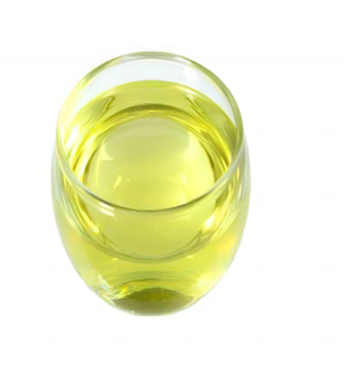
Superior Weed Control Spectrum of Topramezone Herbicide
- Targeted Control of Grass and Broadleaf Weeds for Topramezone: Topramezone herbicide excels at eliminating hard-to-manage weeds in corn fields, thanks to its systemic absorption (via leaves, roots, and stems) and ability to disrupt weed photosynthesis. 2025 HEBEI CHENGNONG BIOTECH’s topramezone products target both annual grass weeds (e.g., barnyardgrass, crabgrass, green foxtail) and broadleaf weeds (e.g., pigweed, lambsquarters, velvetleaf)—the two most problematic weed groups in corn production. For example, a spring corn field treated with topramezone sees 90%+ weed mortality within 7–10 days, with no regrowth for 4–6 weeks—far longer than many competing herbicides. This long-lasting control reduces the need for multiple applications, saving farmers time and reducing overall herbicide use.
- Efficacy in Adverse Growing Conditions for Topramezone Products: Unlike some herbicides that fail in cool, wet, or dry weather, topramezone products maintain efficacy across diverse conditions—a critical advantage for corn producers facing unpredictable climates. 2025 HEBEI CHENGNONG BIOTECH’s formulations include adjuvants that enhance topramezone’s absorption even in cool temperatures (as low as 10°C) or light rain shortly after application. For a corn field in a rainy spring region, this means no need to reapply after mild showers—topramezone is already absorbed by weeds. In dry conditions, the herbicide’s root uptake capability ensures it reaches weeds even when surface soil is parched. This reliability makes topramezone herbicide a year-round solution, appealing to wholesalers serving clients in variable climate zones.
Crop Safety and Compatibility of Topramezone
- Corn Crop Safety for Topramezone Herbicide: Topramezone herbicide is uniquely safe for corn, even when applied during sensitive seedling stages—thanks to corn’s natural ability to metabolize the active ingredient. 2025 HEBEI CHENGNONG BIOTECH’s topramezone products are labeled for use from corn emergence (V1 stage) to the 8-leaf stage (V8), with no risk of stunting, yellowing, or yield loss. For example, a spring corn field treated with topramezone at the V3 stage (3 leaves) shows no visible crop stress, while weeds are completely controlled. This safety is a major advantage over older herbicides (e.g., atrazine) that can damage corn if applied too late.
- Multi-Crop Compatibility for Topramezone Products: Beyond corn, topramezone products offer surprising compatibility with other key crops—expanding their value for diversified farms. 2025 HEBEI CHENGNONG BIOTECH has optimized formulations for use in sugarcane (controlling johnsongrass and morning glory), potatoes (targeting lamb’s-quarters and redroot pigweed), and even soybeans (when applied as a pre-plant burndown). For example, a farm growing both corn and soybeans can use the same topramezone herbicide (with minor rate adjustments) to control weeds in both crops, simplifying application and reducing herbicide rotation challenges. This multi-crop use is a strong selling point for wholesalers: it lets clients cover more acres with fewer products, cutting inventory and training costs.
Topramezone Products Application Across Key Crops
|
Crop Type |
Key Weeds Controlled by Topramezone |
Application Timing |
2025 HEBEI CHENGNONG Advantage |
Wholesaler Value |
|
Spring Corn |
Barnyardgrass, pigweed, velvetleaf |
V1–V8 stages (seedling to 8-leaf) |
Seedling-safe; long residual control |
Appeals to large-scale corn producers |
|
Sugarcane |
Johnsongrass, morning glory, crabgrass |
Post-emergence (6–8 weeks after planting) |
Systemic action; no cane stunting |
Caters to tropical/subtropical cash crop farms |
|
Potatoes |
Lamb’s-quarters, redroot pigweed, foxtail |
Early post-emergence (2–4 leaf weed) |
Root absorption; works in cool soil |
Fits temperate vegetable growers |
|
Soybeans |
Pre-plant burndown (lambsquarters, marestail) |
2–3 weeks before planting |
Burndown + residual; no crop injury |
Benefits diversified corn-soybean farms |
Operational and Economic Advantages of Topramezone Herbicide
- Reduced Application Frequency for Topramezone: Topramezone herbicide’s long residual control (4–6 weeks) cuts application frequency from 2–3 times per season to just 1—saving farmers labor, fuel, and equipment costs. For a 1,000-acre corn farm, this translates to 1–2 fewer spray trips, reducing operational expenses by 50–100 per acre. 2025 HEBEI CHENGNONG BIOTECH’s liquid formulations also mix easily with other crop inputs (e.g., fertilizers, fungicides), enabling tank-mixing and further reducing trips.
- Resistance Management for Topramezone Products: Topramezone products target a unique site of action (inhibiting HPPD enzymes in weeds), making them ideal for resistance management programs. Many corn weeds (e.g., Palmer amaranth, waterhemp) have developed resistance to common herbicides like glyphosate, but topramezone’s different mode of action prevents resistance buildup. 2025 HEBEI CHENGNONG BIOTECH recommends rotating topramezone herbicide with other site-of-action herbicides, and their technical team provides wholesalers with resistance management guides to share with clients. This proactive approach extends the lifespan of topramezone and other herbicides, ensuring long-term utility for farmers— a major value for wholesalers focused on sustainable client partnerships.
Topramezone FAQS
Can Topramezone Herbicide Be Used in Organic Corn Production?
No—topramezone herbicide is a synthetic agrochemical and not approved for organic production. However, 2025 HEBEI CHENGNONG BIOTECH offers topramezone products with low use rates (10–30 g/ha) that minimize environmental impact, making them suitable for conventional farms seeking to reduce chemical inputs.
What Is the Ideal Application Rate of Topramezone for Corn vs. Sugarcane?
Topramezone rates vary by crop: for spring corn, 2025 HEBEI CHENGNONG BIOTECH recommends 15–25 g/ha (post-emergence, V1–V8 stages); for sugarcane, 25–30 g/ha (post-emergence, 6–8 weeks after planting). The higher rate for sugarcane accounts for the crop’s larger size and more robust weeds (e.g., johnsongrass). The company provides rate charts for wholesalers to share with clients, ensuring precise application and optimal efficacy—no under- or over-dosing.
Is Topramezone Safe for Adjacent Fruit Crops Like Apples or Citrus?
Yes—when applied correctly, topramezone products pose no risk to adjacent apple, citrus, or other fruit crops. 2025 HEBEI CHENGNONG BIOTECH’s formulations have low volatility (no drift risk) and break down quickly in soil (half-life of 1–2 weeks), preventing leaching or uptake by nearby fruit trees. For a corn field bordering an apple orchard, applying topramezone herbicide with a shielded sprayer (to avoid direct contact) further ensures safety.
How Long After Applying Topramezone Can Farmers Plant Rotational Crops Like Wheat or Soybeans?
Topramezone’s short soil residual allows quick rotational planting: farmers can plant wheat 2–3 weeks after corn harvest (no residual risk), and soybeans can be planted the following spring (no carryover). 2025 HEBEI CHENGNONG BIOTECH’s technical team confirms this with soil testing data, which wholesalers can share with clients to eliminate concerns about crop rotation restrictions. This flexibility makes topramezone herbicide ideal for farms using intensive crop rotation systems.
Do Topramezone Products Require Special Storage or Handling?
Topramezone products require standard agrochemical storage: keep in a cool, dry, locked facility (away from food, feed, or water sources) and avoid extreme temperatures (below 0°C or above 35°C). 2025 HEBEI CHENGNONG BIOTECH packages topramezone herbicide in durable, leak-proof containers (20L or 200L drums) suitable for bulk storage—easy for wholesalers to manage and distribute. The company also includes handling instructions on each container, simplifying compliance for clients and reducing safety risks.
-
Carbendazim Efficacy On Tomato Blight
خبریںDec.13,2025
-
Boscalid Storage Temperature Requirements
خبریںDec.13,2025
-
Glufosinate Ammonium Herbicide Rain Fastness Time
خبریںDec.13,2025
-
Tembotrione Herbicide Weed Control Scope
خبریںDec.13,2025
-
Topramezone Dosage For Soybean Fields
خبریںDec.13,2025
-
Agrochemical Based Agriculture Crop Yield Boost
خبریںDec.13,2025