
- sales@chengnongagro.com
- پیر - ہفتہ صبح 7:00 بجے سے صبح 9:00 بجے تک

ستمبر . 28, 2025 14:35 فہرست پر واپس جائیں۔
Myclobutanil Application Rates for Apple Scab
Myclobutanil products—including the powerful myclobutanil mancozeb blend and standalone myclobutanil pesticide formulations—are trusted for controlling apple scab, a fungal disease that ruins fruit quality and cuts yields. As an internal absorption therapeutic fungicide, myclobutanil offers unique advantages: it penetrates plant tissues to treat existing infections, prevents new ones, and resists rain erosion—making it a top choice for orchardists and large-scale crop producers. For wholesalers serving agricultural clients, partnering with a manufacturer that delivers consistent, dosage-specific myclobutanil products is key to ensuring efficacy and crop safety. 2025 HEBEI CHENGNONG BIOTECH CO.,LTD, an integrated trade-industry-agriculture firm specializing in agrochemicals (fungicides, insecticides, herbicides) and farm machinery, formulates myclobutanil pesticide and myclobutanil mancozeb for bulk use—tailoring doses to apple scab control while extending utility to other crops like wheat, grapes, and potatoes. Their expertise in aligning dosages with crop stages (e.g., young leaves, flowering periods) makes them a reliable wholesaler partner globally.
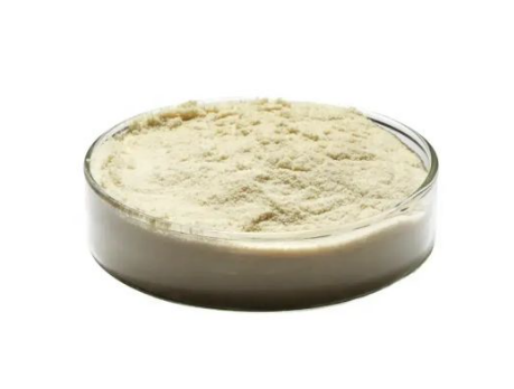
Core Application Rates of Myclobutanil Pesticide for Apple Scab
- Dosage for Preventive Use on Apple Trees: Myclobutanil pesticide shines as a preventive tool for apple scab, and 2025 HEBEI CHENGNONG BIOTECH recommends precise rates based on tree size and growth stage. For mature apple orchards (10+ years old, 3–4m tall), the ideal rate is 100–150 g of active ingredient (a.i.) per hectare, applied as a foliar spray during bud break to petal fall. Young apple trees (1–3 years old) need a lower rate—75–100 g a.i./ha—to avoid unnecessary chemical exposure while still protecting new growth. For example, a 20-hectare orchard of Gala apples (mature trees) would use 2–3 kg of myclobutanil pesticide (with 50% a.i. concentration) per application. This preventive dose ensures the fungicide adheres to leaves and young fruit (thanks to its fine powder particles), forming a barrier against scab spores—even light rain won’t wash it away, as noted in the company’s product specs.
- Curative Rates for Existing Apple Scab Infections: When apple scab first appears (small brown spots on leaves or fruit), myclobutanil products shift to a curative role—requiring a slightly higher rate to eradicate existing mycelium. 2025 HEBEI CHENGNONG BIOTECH advises 150–200 g a.i./ha for curative use, applied within 48 hours of symptom detection. The myclobutanil pesticide’s strong internal absorption means it penetrates leaf tissues to kill hidden spores, stopping the disease from spreading to adjacent fruit. For a Honeycrisp orchard with early scab signs, this curative dose can reduce lesion spread by 85–90% within a week. Importantly, the rate stays safe for flowering apple trees—no damage to blooms or young fruit, a key benefit wholesalers can highlight to clients focused on preserving yields.
Myclobutanil Mancozeb Rates for Broad-Spectrum Crop Protection
- Apple Orchard Use of Myclobutanil Mancozeb: The myclobutanil mancozeb blend combines myclobutanil’s systemic action with mancozeb’s contact protection, making it ideal for high-risk apple scab environments (humid regions with frequent rain). 2025 HEBEI CHENGNONG BIOTECH recommends a rate of 200–250 g a.i./ha (myclobutanil component) plus 800–1000 g a.i./ha (mancozeb component) for apple orchards. This blend not only controls scab but also targets other apple diseases like powdery mildew and cedar-apple rust—reducing the need for multiple fungicides. For example, a Pacific Northwest apple orchard (prone to rainy springs) using myclobutanil mancozeb at this rate sees 90%+ scab control and 80%+ powdery mildew control, all with one application.
- Multi-Crop Rates for Myclobutanil Mancozeb: Beyond apples, myclobutanil mancozeb works across key crops—with 2025 HEBEI CHENGNONG BIOTECH providing tailored rates for wholesalers’ diverse clients. For wheat (targeting powdery mildew and rust), the rate is 120–150 g a.i./ha (myclobutanil) + 600–800 g a.i./ha (mancozeb), applied at the tillering stage. For grapes (controlling powdery mildew), use 150–180 g a.i./ha (myclobutanil) + 700–900 g a.i./ha (mancozeb) during pre-bloom. This versatility lets wholesalers market myclobutanil mancozeb to clients growing multiple crops—from apple orchards to wheat fields—simplifying their inventory and boosting order volume.
Myclobutanil Products Application Rates Across Key Crops
|
Crop Type |
Target Disease |
Myclobutanil Product Type |
Recommended Application Rate (a.i./ha) |
Application Timing |
Wholesaler Value |
|
Apples |
Apple scab, powdery mildew |
Myclobutanil Pesticide |
100–150 g (preventive); 150–200 g (curative) |
Bud break to petal fall |
Appeals to large-scale orchardists |
|
Apples |
Apple scab, rust |
Myclobutanil Mancozeb |
200–250 g (myclobutanil) + 800–1000 g (mancozeb) |
Pre-bloom to post-bloom |
Caters to high-humidity orchard regions |
|
گندم |
Powdery mildew, rust |
Myclobutanil Mancozeb |
120–150 g + 600–800 g |
Tillering to jointing stage |
Fits cereal crop producers |
|
Grapes |
Powdery mildew |
Myclobutanil Pesticide |
150–180 g |
Pre-bloom to veraison |
Appeals to vineyard operators |
|
Potatoes |
Early blight |
Myclobutanil Mancozeb |
180–220 g + 900–1100 g |
Tuber initiation stage |
Benefits vegetable growers |
Factors Influencing Myclobutanil Pesticide Application Rates
- Crop Growth Stage for Myclobutanil Products: Myclobutanil products adjust rates based on crop maturity to balance efficacy and safety. 2025 HEBEI CHENGNONG BIOTECH emphasizes that young crops (e.g., apple seedlings, potato transplants) need lower rates—for example, 75–100 g a.i./ha of myclobutanil pesticide for 1-year-old apple trees—because their tissues are more sensitive. Mature crops (e.g., 5-year-old apple trees, flowering grapes) can handle standard rates, as their thicker cell structures tolerate the fungicide without stress. This stage-specific dosing ensures no crop damage (e.g., leaf burn, fruit spotting) while maintaining scab control—critical for wholesalers to highlight to clients growing crops at different stages.
- Environmental Conditions for Myclobutanil Mancozeb: Humidity and rainfall affect myclobutanil mancozeb rates—higher humidity (which fuels scab spread) may require a 10–15% rate increase to maintain efficacy. For example, an apple orchard in a rainy region (e.g., the U.S. Northeast) using myclobutanil mancozeb would bump the myclobutanil component from 200 g to 220 g a.i./ha to counteract frequent rain. Conversely, dry regions (e.g., the U.S. Pacific Northwest’s summer) can stick to standard rates, as lower humidity slows scab growth. The blend’s rain resistance (from fine powder particles) means even with higher rates, there’s no runoff risk—protecting water sources and aligning with environmental regulations.
Myclobutanil Products FAQS
Can Myclobutanil Pesticide Be Used on Apple Varieties with Sensitive Fruit?
Yes—myclobutanil pesticide is safe for sensitive apple varieties like Honeycrisp and Pink Lady. 2025 HEBEI CHENGNONG BIOTECH’s formulations have fine particles that don’t stimulate fruit surfaces, even when applied during the young fruit stage. The recommended rate (100–150 g a.i./ha for preventive use) ensures no spotting or scarring, preserving the fruit’s market value. Wholesalers can reassure clients with sensitive varieties that efficacy won’t come at the cost of fruit quality.
What’s the Difference in Rate Between Myclobutanil Mancozeb and Standalone Myclobutanil?
Myclobutanil mancozeb uses slightly higher myclobutanil rates (200–250 g a.i./ha for apples) than standalone myclobutanil pesticide (100–150 g a.i./ha) because mancozeb adds contact protection—requiring a balanced blend to avoid over-application. The mancozeb component (800–1000 g a.i./ha) targets surface spores, while myclobutanil handles internal infections. 2025 HEBEI CHENGNONG BIOTECH provides pre-blended formulations, so wholesalers’ clients don’t need to mix components—saving time and ensuring rate accuracy.
How Often Should Myclobutanil Products Be Applied to Control Apple Scab?
For preventive use, myclobutanil products are applied every 14–21 days during apple scab season (bud break to harvest). Curative applications (for existing scab) are applied once, then followed by a preventive application 10–14 days later. 2025 HEBEI CHENGNONG BIOTECH recommends no more than 4–5 applications per season to avoid resistance—wholesalers can share this guidance to help clients extend the product’s lifespan.
Is Myclobutanil Mancozeb Safe for Use During Apple Flowering?
Absolutely—myclobutanil mancozeb is safe for apple flowering periods. The blend’s low toxicity to pollinators (bees, butterflies) and non-irritating formula means it won’t damage blooms or reduce fruit set. 2025 HEBEI CHENGNONG BIOTECH’s trials confirm no negative impact on pollination even when applied directly to open flowers— a key advantage for wholesalers serving clients focused on maximizing yields.
Can Myclobutanil Pesticide Be Tank-Mixed with Other Apple Crop Inputs?
Yes—myclobutanil pesticide mixes safely with most apple inputs: insecticides (e.g., for aphid control), liquid fertilizers (e.g., nitrogen supplements), and adjuvants (to boost adhesion). 2025 HEBEI CHENGNONG BIOTECH provides a compatibility chart for wholesalers, ensuring no clumping or efficacy loss. Tank-mixing cuts application trips, saving clients time and fuel— a major operational benefit wholesalers can emphasize.
-
Carbendazim Efficacy On Tomato Blight
خبریںDec.13,2025
-
Boscalid Storage Temperature Requirements
خبریںDec.13,2025
-
Glufosinate Ammonium Herbicide Rain Fastness Time
خبریںDec.13,2025
-
Tembotrione Herbicide Weed Control Scope
خبریںDec.13,2025
-
Topramezone Dosage For Soybean Fields
خبریںDec.13,2025
-
Agrochemical Based Agriculture Crop Yield Boost
خبریںDec.13,2025