
- sales@chengnongagro.com
- Thứ Hai - Thứ Bảy lúc 7:00 sáng đến 9:00 sáng

Th10 . 10, 2025 09:13 Trở lại danh sách
Efficacy of Glufosinate 200 Against Weeds
In the dynamic landscape of modern agriculture, effective weed management is crucial for maximizing crop yields and ensuring the quality of produce. Glufosinate ammonium herbicide, particularly products like glufosinate 200, has emerged as a powerful solution in the fight against unwanted vegetation. As a wholesaler, understanding the efficacy and applications of these herbicides is essential to meet the diverse needs of agricultural customers. HEBEI CHENGNONG BIOTECH CO.,LTD. plays a significant role in providing high-quality amoni glufosinat - based products to support efficient weed control across various crops.
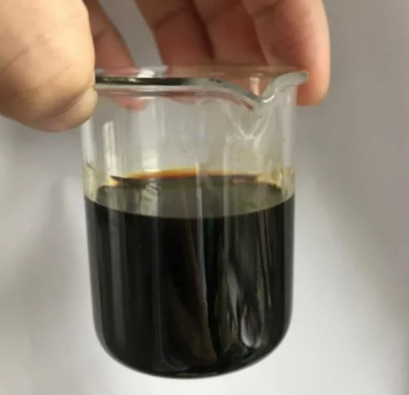
Glufosinate Ammonium Product Information Table----H2
|
Aspect |
Chi tiết |
|
Product Name |
Glufosinat Amoni |
|
công thức |
TC, SL |
|
Số CAS |
77182 - 82 - 2 |
|
Shelf Life |
2 năm |
|
Chức năng |
Thuốc diệt cỏ |
|
đóng gói |
500g/bottle or according to customer’s requirement |
|
Hải cảng |
Thượng Hải, Thanh Đảo, Ninh Ba, Đại Liên, Quảng Châu, Thiên Tân, Thâm Quyến, Nghĩa Ô |
|
Sự chi trả |
VISA、Paypal、TT、L/C、D/A、D/p |
Glufosinate Ammonium Herbicide in Field Crops
- Glufosinate ammonium herbicide demonstrates remarkable efficacy in field crops. In corn fields, it effectively targets a wide range of weeds, including broadleaf weeds such as lambsquarters and pigweed, as well as grassy weeds like foxtail and crabgrass. By interrupting the normal physiological processes of these weeds, glufosinate 200 prevents them from competing with corn plants for essential resources like sunlight, water, and nutrients. This enables corn to grow robustly, resulting in higher yields and better grain quality.
- For wheat, amoni glufosinat helps manage weeds that can severely impact crop growth, such as wild oats and ryegrass. These weeds not only steal nutrients from wheat but can also serve as hosts for pests and diseases. With the application of glufosinate 200, wheat farmers can maintain clean fields, ensuring that their crops have the optimal conditions to develop and mature.
- In rice paddies, glufosinate ammonium herbicide is effective against aquatic and semi - aquatic weeds like waterhemp and smartweed. These weeds can disrupt water flow and nutrient uptake in rice plants, leading to stunted growth. By controlling these weeds, glufosinate 200 promotes healthy rice growth and maximizes yields. In peanut and soybean fields, it clears weeds that impede growth and harvesting, allowing these important oilseed crops to reach their full potential and enhancing overall productivity.
Glufosinate 200 in Fruit and Vegetable Crops
- In the cultivation of fruit and vegetable crops, glufosinate 200 offers valuable weed control solutions. In apple orchards, it is used to manage weeds that grow beneath the trees, competing for nutrients and providing hiding places for pests. By effectively eliminating these weeds, glufosinate ammonium herbicide helps maintain the health of apple trees, enabling them to produce larger, sweeter fruits with better marketability.
- In citrus groves, glufosinate 200 controls weeds that may hinder the growth of young citrus trees or affect fruit quality. The herbicide's ability to target weeds while minimizing harm to the citrus plants ensures that the groves remain productive and the fruits are of high quality.
- For vegetable crops, glufosinate ammonium herbicide is widely applicable. In potato fields, it keeps weeds in check, preventing them from shading the potato plants and reducing photosynthesis, which is crucial for tuber development. In onion fields, it manages weeds that can slow down growth and make onions more susceptible to diseases. In chili pepper plantations, glufosinate 200 controls weeds that compete for resources, allowing chili plants to grow vigorously and produce abundant, high - quality peppers. Similarly, in sugarcane fields, it helps eliminate weeds that grow alongside the sugarcane stalks, ensuring the sugarcane can grow tall and strong with increased sugar content.
Environmental Considerations and Efficacy Preservation of Glufosinate 200
- While glufosinate 200 is highly effective in weed control, its environmental impact must be carefully considered. Like other agrochemicals, glufosinate ammonium herbicide has the potential to enter water bodies through runoff, especially during heavy rainfall or excessive irrigation. If not managed properly, it may pose risks to aquatic ecosystems, affecting fish, invertebrates, and other aquatic organisms.
- However, amoni glufosinat generally has a relatively low persistence in the environment. In soil, it degrades through various processes, including microbial degradation and chemical hydrolysis. The degradation rate can be influenced by factors such as soil type, moisture, and temperature. HEBEI CHENGNONG BIOTECH CO.,LTD. emphasizes the importance of proper application techniques to minimize environmental risks while maintaining the herbicide's efficacy. This includes using the correct dosage, applying at the appropriate time, and avoiding application on sloping or water - saturated fields to reduce the likelihood of runoff. By following these best practices, farmers can ensure that glufosinate 200 effectively controls weeds while safeguarding the environment.
Glufosinat Amoni FAQS
How does glufosinate 200 compare to other herbicides in terms of weed control efficacy?
Glufosinate 200 stands out for its rapid - acting and broad - spectrum efficacy. Unlike some herbicides that may have a slower mode of action or target a limited range of weeds, glufosinate ammonium herbicide inhibits glutamine synthetase, quickly causing ammonia accumulation and weed death. It can effectively control a wide variety of broadleaf and grassy weeds across different crops, making it a versatile choice for farmers. Its contact - based action also means it starts working immediately upon contact with the weed foliage, providing fast results compared to some systemic herbicides.
What factors can affect the efficacy of glufosinate ammonium herbicide?
Several factors can impact the efficacy of glufosinate ammonium herbicide. Weather conditions play a significant role; rain shortly after application can wash away the herbicide, reducing its effectiveness. Temperature and humidity also matter, as optimal conditions ensure better absorption by the weed leaves. Weed size and growth stage are crucial too; smaller, younger weeds are generally more susceptible to glufosinate 200 than larger, more mature ones. Additionally, the quality of application, including proper spray coverage and the use of the correct dosage, directly affects how well the herbicide controls weeds.
In which crop - weed scenarios is glufosinate 200 most effective?
Glufosinate 200 is most effective in scenarios where there is a diverse range of weed species present. In no - till or reduced - till farming systems in corn, wheat, and soybean fields, it can quickly eliminate existing weeds before crop planting. In fruit orchards and vineyards, it can be used to manage weeds growing in the inter - row spaces without harming the perennial crops. For vegetable crops like potatoes, onions, and chili peppers, it effectively controls weeds that compete for resources during the critical growth stages, ensuring healthy crop development and high yields.
How can wholesalers ensure customers get the best efficacy from amoni glufosinat products?
Wholesalers can ensure customers achieve the best efficacy from amoni glufosinat products by providing comprehensive information. This includes detailed product labels that explain the correct dosage, application timing based on crop and weed growth stages, and proper spray techniques. Offering training sessions or informational materials on the mechanism of action of glufosinate ammonium herbicide can help customers understand how to optimize its use. Additionally, maintaining good communication channels to answer customer questions promptly and provide advice on dealing with specific weed control challenges can significantly enhance the effectiveness of glufosinate 200 for agricultural users.
What are the long - term effects of using glufosinate 200 on soil and crop health?
When used according to recommended guidelines, glufosinate 200 has minimal long - term negative effects on soil and crop health. Since it degrades relatively quickly in the soil, it does not accumulate to harmful levels over time. In fact, by effectively controlling weeds, it reduces competition for nutrients and water, which can have a positive impact on crop health in the long run. However, improper use, such as over - application or repeated use in the same area without proper rotation with other herbicides, may lead to the development of weed resistance and potentially affect soil microbial balance. Therefore, following best management practices is key to maintaining soil and crop health while using glufosinate ammonium herbicide.
-
Carbendazim Efficacy On Tomato Blight
Tin tứcDec.13,2025
-
Boscalid Storage Temperature Requirements
Tin tứcDec.13,2025
-
Glufosinate Ammonium Herbicide Rain Fastness Time
Tin tứcDec.13,2025
-
Tembotrione Herbicide Weed Control Scope
Tin tứcDec.13,2025
-
Topramezone Dosage For Soybean Fields
Tin tứcDec.13,2025
-
Agrochemical Based Agriculture Crop Yield Boost
Tin tứcDec.13,2025