
- sales@chengnongagro.com
- Thứ Hai - Thứ Bảy lúc 7:00 sáng đến 9:00 sáng

Th9 . 28, 2025 14:25 Trở lại danh sách
Managing Potato Leafhopper with Malathion
Malathion—a trusted organophosphorus insecticide available as malathion insecticide formulations and malathion spray—is a go-to solution for controlling potato leafhoppers, tiny pests that suck sap from potato plants, causing “hopperburn” (yellowing leaves, stunted growth, and reduced yields). Unlike some insecticides that only target adult pests, malathion works on both nymphs and adults, with contact and stomach toxicity that delivers fast, effective control. For wholesalers serving potato growers, vegetable farms, or large-scale agricultural operations, partnering with a manufacturer that delivers consistent, low-toxicity malathion products is key to meeting client needs. 2025 HEBEI CHENGNONG BIOTECH CO.,LTD, an integrated trade-industry-agriculture firm specializing in agrochemicals (insecticides, fungicides, herbicides) and farm machinery, formulates malathion insecticide and malathion spray for bulk use—tailoring solutions for potato leafhoppers while extending utility to other crops like cotton, apples, and soybeans. Their focus on low-toxicity, short-residual products aligns with sustainable farming goals, making them a trusted wholesaler partner globally.
Mode of Action: How Malathion Controls Potato Leafhoppers
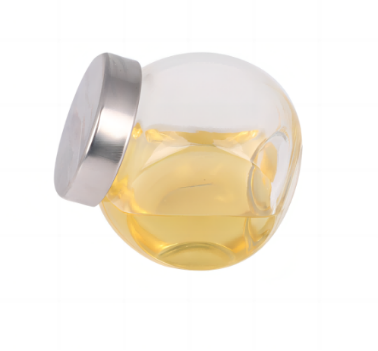
- Contact and Stomach Toxicity of Malathion Insecticide: Malathion insecticide kills potato leafhoppers through two key mechanisms—contact (when the pest touches the chemical) and stomach toxicity (when the pest ingests treated plant sap). As a non-inhaled organophosphorus insecticide, it inhibits the leafhopper’s acetylcholinesterase enzyme (critical for nerve function), leading to paralysis and death within hours. 2025 HEBEI CHENGNONG BIOTECH’s malathion spray is formulated as a light yellow to brownish yellow liquid (soluble in organic solvents for easy mixing) that adheres to potato leaves, ensuring leafhoppers come into contact with it during feeding. For example, a potato field treated with malathion spray sees 90%+ leafhopper mortality within 24 hours, stopping hopperburn before it damages yields. This dual-action mode is especially effective for potato leafhoppers, which feed on both leaf surfaces and undersides.
- Fumigant Effect for Hidden Potato Leafhopper Nymphs: Beyond contact and stomach toxicity, malathion has a mild fumigant effect that reaches leafhopper nymphs hiding in potato plant crevices or under leaves—areas where sprays might not directly hit. 2025 HEBEI CHENGNONG BIOTECH’s malathion insecticide formulations release a subtle vapor that penetrates plant canopies, killing nymphs before they mature into sap-sucking adults. This is critical for long-term control: nymphs are often harder to target than adults but cause significant damage to young potato plants. A potato farm using malathion early in the season (when nymphs emerge) can reduce leafhopper populations by 85% for 2–3 weeks, reducing the need for repeated applications.
Optimal Application Methods for Malathion Spray on Potatoes
- Timing and Frequency of Malathion Spray: The key to effective potato leafhopper control with malathion spray is timing—apply when leafhoppers first appear (typically early summer, when potato plants reach the 4–6 leaf stage) and before hopperburn symptoms develop. 2025 HEBEI CHENGNONG BIOTECH recommends scouting potato fields weekly: if leafhopper counts exceed 5–10 per plant, apply malathion spray The short residual period of malathion (7–10 days) means follow-up applications may be needed every 10–14 days in high-pressure seasons, but this also reduces long-term chemical buildup in soil. For example, a potato farm in a humid region (where leafhoppers thrive) might apply malathion spray 2–3 times per season, vs. 4–5 times for longer-residual insecticides—saving on product costs and minimizing environmental impact.
- Spray Coverage and Equipment for Malathion Insecticide: Malathion insecticide requires thorough leaf coverage to work—focus on both upper and lower leaf surfaces, where potato leafhoppers feed. 2025 HEBEI CHENGNONG BIOTECH advises using high-pressure sprayers with fine nozzles (to create small droplets that stick to leaves) and adjusting spray pressure to ensure penetration of the potato canopy. For large-scale potato fields, tractor-mounted sprayers with boom extensions are ideal—they cover 10–15 rows at once, reducing labor time. The company also notes that malathion spray should be mixed with water (per label instructions) and applied during calm weather (to avoid drift onto adjacent crops like onions or peppers). This precise application ensures maximum efficacy while preventing off-target damage— a key consideration for wholesalers serving diversified farms.
Malathion Application Across Key Crops
|
Crop Type |
Target Pest |
Malathion Product Type |
Application Method |
2025 HEBEI CHENGNONG Advantage |
Wholesaler Value |
|
Potatoes |
Potato leafhopper |
Malathion Spray |
Foliar spray (4–6 leaf stage) |
Fine droplets for canopy penetration |
Appeals to potato growers preventing hopperburn |
|
Bông |
Cotton bug bugs |
Malathion Insecticide |
Foliar spray (bloom stage) |
Short residual; low bee risk |
Caters to cotton producers in southern regions |
|
Apples |
Apple aphid |
Malathion Spray |
Foliar spray (pre-bloom) |
Low toxicity to beneficial insects |
Fits orchardists managing sap-sucking pests |
|
Soybeans |
Soybean aphid |
Malathion Insecticide |
Foliar spray (V2–V4 stage) |
Fast-acting; no yield impact |
Benefits soybean-corn rotation farms |
|
Peppers |
Pepper weevil |
Malathion Spray |
Foliar spray (bud stage) |
Adheres to waxy pepper leaves |
Appeals to vegetable growers |
Safety and Sustainability of Malathion Insecticide
- Low Toxicity and Worker Safety for Malathion: Malathion insecticide is classified as low-toxicity (per agricultural standards), making it safe for farm workers when applied correctly. 2025 HEBEI CHENGNONG BIOTECH provides clear safety guidelines for wholesalers to share with clients: wear protective clothing (gloves, goggles, long sleeves) during application, and wait 4–6 hours (until spray dries) before re-entering treated fields. Unlike highly toxic insecticides, malathion has no long-term health risks when used as directed, reducing liability for growers. This safety profile is a major selling point for wholesalers targeting small-to-medium farms with limited safety training resources.
- Short Residual and Environmental Compatibility: Malathion’s short residual period (7–10 days) means it breaks down quickly in soil and on plant surfaces, reducing environmental impact. It does not persist in groundwater (due to low water solubility) and is non-toxic to most beneficial insects (e.g., ladybugs, lacewings) that control other potato pests like aphids. 2025 HEBEI CHENGNONG BIOTECH’s malathion spray also contains no persistent organic compounds, aligning with global environmental regulations (e.g., EPA standards). For a potato farm near water bodies (e.g., rivers or lakes), this means malathion poses no risk to aquatic life— a critical advantage for wholesalers serving environmentally sensitive regions.
Malathion FAQS
Can Malathion Spray Be Used on Organic Potato Farms?
No—malathion is a synthetic organophosphorus insecticide and not approved for organic production. However, 2025 HEBEI CHENGNONG BIOTECH offers organic-compliant pest control options (e.g., neem oil-based sprays) for wholesalers serving organic potato growers. For conventional farms, malathion spray remains a sustainable choice due to its short residual and low toxicity, making it compatible with integrated pest management (IPM) programs.
What Is the Ideal Application Rate of Malathion Insecticide for Potatoes?
For potato leafhopper control, 2025 HEBEI CHENGNONG BIOTECH recommends 500–750 mL of malathion insecticide (with 50% active ingredient) per hectare, mixed with 200–300 liters of water. The rate adjusts slightly for other crops: 750–1000 mL/ha for cotton (cotton bug bugs) and 500–600 mL/ha for apples (apple aphid). The company provides detailed rate charts for each crop, ensuring growers apply the correct amount—no under-dosing (which risks poor control) or over-dosing (which wastes product).
Is Malathion Safe for Use Near Beehives or Pollinator Habitats?
Malathion can be safe for pollinators if applied correctly: 2025 HEBEI CHENGNONG BIOTECH recommends applying malathion spray during early morning or late evening (when bees are not foraging) and avoiding application during crop flowering. For potato fields near beehives, apply malathion before potato plants bloom (when leafhoppers first emerge) to eliminate pest pressure without harming bees. The short residual period also means any remaining chemical breaks down before bees begin foraging on adjacent flowering crops like clover.
How Long After Applying Malathion Spray Can Potatoes Be Harvested?
The pre-harvest interval (PHI) for malathion spray on potatoes is 7–10 days—2025 HEBEI CHENGNONG BIOTECH’s product labels clearly state this to ensure food safety. This short PHI lets growers apply malathion late in the season (to control late-stage leafhopper outbreaks) without delaying harvest— a key advantage for wholesalers serving fresh-market potato growers who need to get crops to market quickly.
Can Malathion Insecticide Be Tank-Mixed with Other Agrochemicals?
Yes—malathion insecticide is compatible with most common fungicides and herbicides used in potato production (e.g., copper-based fungicides for late blight, or herbicides for weed control). 2025 HEBEI CHENGNONG BIOTECH provides a compatibility chart for wholesalers to share with clients, ensuring no adverse reactions (e.g., clumping, reduced efficacy). Tank-mixing saves growers time and fuel by combining multiple applications into one— a major operational benefit that wholesalers can emphasize.
-
Carbendazim Efficacy On Tomato Blight
Tin tứcDec.13,2025
-
Boscalid Storage Temperature Requirements
Tin tứcDec.13,2025
-
Glufosinate Ammonium Herbicide Rain Fastness Time
Tin tứcDec.13,2025
-
Tembotrione Herbicide Weed Control Scope
Tin tứcDec.13,2025
-
Topramezone Dosage For Soybean Fields
Tin tứcDec.13,2025
-
Agrochemical Based Agriculture Crop Yield Boost
Tin tứcDec.13,2025