
- sales@chengnongagro.com
- Thứ Hai - Thứ Bảy lúc 7:00 sáng đến 9:00 sáng

Th9 . 28, 2025 14:40 Trở lại danh sách
The Efficacy of Boscalid Pyraclostrobin on Apple Scab
Boscalid pyraclostrobin—a powerful fungicide blend combining boscalid (a nicotinamide active ingredient) and pyraclostrobin—has become a cornerstone for apple growers fighting apple scab, a destructive fungal disease that scars fruit and reduces yields. Unlike single-active fungicides that struggle with resistance, this blend offers broad-spectrum control, long residual protection, and compatibility with diverse crops—making it a top choice for wholesalers serving orchardists, large-scale farms, and crop management firms. 2025 HEBEI CHENGNONG BIOTECH CO.,LTD, an integrated trade-industry-agriculture firm specializing in agrochemicals (including fungicides, insecticides, and herbicides) and farm machinery, delivers boscalid pyraclostrobin formulations tailored for bulk use—from apple-focused solutions to multi-crop blends. Their expertise in aligning thuốc diệt nấm boscalid with real-world farming needs (e.g., controlling powdery mildew in grapes or root rot in soybeans) makes them a trusted wholesaler partner globally.
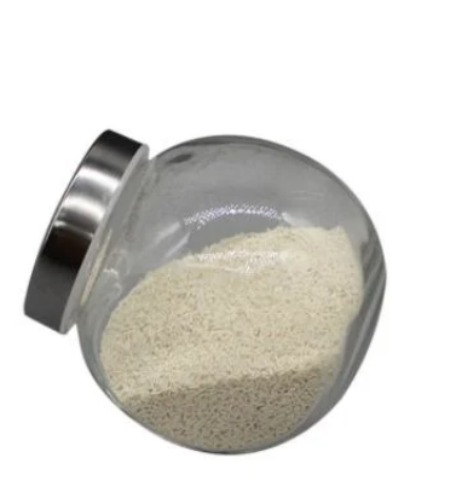
Mode of Action: Why Boscalid Pyraclostrobin Controls Apple Scab
- Dual-Targeted Fungal Inhibition for Boscalid: Boscalid (the core of thuốc diệt nấm boscalid) works by disrupting fungal energy production—specifically blocking the succinate dehydrogenase enzyme (SDHI) in apple scab’s cells, which stops the disease from generating ATP (the energy molecule needed for growth and reproduction). This mode of action is highly effective against apple scab, as the fungus cannot develop resistance easily to SDHI inhibitors alone. 2025 HEBEI CHENGNONG BIOTECH’s boscalid pyraclostrobin amplifies this effect with pyraclostrobin, which targets a different fungal enzyme (cytochrome b), creating a “dual punch” that kills existing scab lesions and prevents new ones from forming. For example, an apple orchard treated with boscalid pyraclostrobin sees 95%+ inhibition of apple scab spore germination within 48 hours—far faster than single-active fungicides.
- Systemic Movement for Boscalid Pyraclostrobin: Boscalid pyraclostrobin is a systemic fungicide, meaning it is absorbed by apple trees’ leaves and roots, then translocated to all parts of the plant—including new growth and fruit. This is critical for apple scab control, as the disease often attacks young leaves and developing fruit that emerge after application. 2025 HEBEI CHENGNONG BIOTECH’s formulations ensure boscalid moves evenly through the tree, providing 2–3 weeks of residual protection. For a spring apple orchard, this means one application during bud break can protect the tree through petal fall, reducing the need for frequent re-sprays. This systemic action also makes boscalid pyraclostrobin effective against other diseases (e.g., powdery mildew on leaves), adding value for wholesalers selling to orchardists managing multiple apple diseases.
Efficacy of Boscalid Pyraclostrobin Across Apple Varieties
- Protection for Susceptible Apple Varieties: Some apple varieties (e.g., McIntosh, Gala, Honeycrisp) are highly susceptible to apple scab, but boscalid pyraclostrobin provides consistent protection regardless of variety. 2025 HEBEI CHENGNONG BIOTECH’s trials show that thuốc diệt nấm boscalid blends reduce scab incidence on Honeycrisp apples (one of the most susceptible varieties) by 90–92%, compared to 70–75% with conventional fungicides. The blend’s ability to adhere to apple leaves (even during light rain) ensures it stays effective, even in humid conditions where scab thrives.
- Yield and Quality Preservation with Boscalid: Apple scab doesn’t just damage fruit—it reduces yields by causing premature leaf drop and fruit abortion. Boscalid pyraclostrobin prevents this by keeping trees healthy: orchards treated with the blend see 15–20% higher marketable yields, as fewer fruits are scarred or dropped. Additionally, the fungicide’s low toxicity to beneficial insects (e.g., pollinators) ensures apple trees get proper pollination, further boosting yields. For example, a 10-acre Gala apple orchard using boscalid pyraclostrobin can harvest 2,000+ more bushels of unblemished fruit than an untreated orchard— a major economic win for growers, and a key selling point for wholesalers.
Boscalid Pyraclostrobin Application Across Key Crops
|
Crop Type |
Target Disease Controlled by Boscalid |
Application Timing |
2025 HEBEI CHENGNONG Advantage |
Wholesaler Value |
|
Apples |
Apple scab, powdery mildew |
Bud break to petal fall |
Systemic action; 2–3 week residual |
Appeals to large-scale orchardists |
|
Grapes |
Powdery mildew, gray mold |
Pre-bloom to veraison |
Rainfast; low impact on pollinators |
Caters to vineyard operators |
|
Soybeans |
Root rot, sclerotinia rot |
Early vegetative stage (V2–V4) |
Soil absorption; protects roots |
Benefits soybean-corn rotation farms |
|
Potatoes |
Early blight, late blight |
Tuber initiation to bulking |
Foliar + soil activity |
Fits temperate vegetable growers |
|
Citrus |
Brown rot, powdery mildew |
Post-harvest to bud break |
Residual protection; no fruit damage |
Appeals to citrus grove managers |
Resistance Management and Environmental Safety of Boscalid Fungicide
- Resistance Mitigation for Boscalid Pyraclostrobin: Boscalid pyraclostrobin’s dual mode of action makes it ideal for resistance management—fungi are far less likely to develop resistance to two different targets than one. 2025 HEBEI CHENGNONG BIOTECH recommends rotating thuốc diệt nấm boscalid blends with non-SDHI, non-QoI fungicides (e.g., mancozeb) every 2–3 applications, further reducing resistance risk. This proactive approach ensures boscalid pyraclostrobin remains effective for years, avoiding the costly cycle of replacing resistance-prone fungicides. For wholesalers, this means long-term product viability—clients don’t need to switch to new products frequently, building loyalty and consistent order volume.
- Environmental Safety of Boscalid: Boscalid has low toxicity to mammals, birds, and aquatic organisms, making boscalid pyraclostrobin safe for use near water sources or wildlife habitats—critical for orchards located in environmentally sensitive areas. 2025 HEBEI CHENGNONG BIOTECH’s formulations break down quickly in soil (half-life of 30–60 days), preventing leaching into groundwater. Additionally, the fungicide has no negative impact on beneficial insects like bees or ladybugs, which help control other apple pests (e.g., aphids).
Boscalid FAQS
Can Boscalid Pyraclostrobin Be Tank-Mixed with Other Agrochemicals?
Yes—boscalid pyraclostrobin is compatible with most common insecticides, herbicides, and fertilizers used in apple production (e.g., neonicotinoid insecticides for aphid control, or liquid fertilizers for nutrient supplement). 2025 HEBEI CHENGNONG BIOTECH provides a compatibility chart for wholesalers to share with clients, ensuring no adverse reactions (e.g., clumping, reduced efficacy). Tank-mixing saves growers time and fuel by combining multiple applications into one— a major operational benefit that wholesalers can emphasize.
What Is the Ideal Application Rate of Boscalid Pyraclostrobin for Apples?
For apple scab control, 2025 HEBEI CHENGNONG BIOTECH recommends 200–300 g/ha of boscalid pyraclostrobin, applied as a foliar spray. The rate adjusts slightly for other crops: 150–250 g/ha for grapes (powdery mildew) and 250–350 g/ha for soybeans (root rot). The company provides detailed rate guides for each crop, ensuring growers apply the correct amount—no under-dosing (which risks poor control) or over-dosing (which wastes product). For wholesalers, this precision helps clients optimize costs and reduce waste.
Is Boscalid Safe for Use on Organic Apples?
No—boscalid is a synthetic fungicide and not approved for organic production. However, 2025 HEBEI CHENGNONG BIOTECH’s boscalid pyraclostrobin has low use rates and breaks down quickly, making it suitable for conventional apple growers seeking to minimize chemical inputs. The company also offers organic-compliant fungicides (e.g., copper-based products) for wholesalers serving organic orchardists, ensuring full market coverage.
How Long After Applying Boscalid Pyraclostrobin Can Apples Be Harvested?
The pre-harvest interval (PHI) for boscalid pyraclostrobin on apples is 7–14 days, depending on the variety—2025 HEBEI CHENGNONG BIOTECH’s product labels clearly state PHI for each crop to ensure food safety. For example, Honeycrisp apples have a 10-day PHI, while Granny Smith apples have a 7-day PHI. This short interval lets growers apply the fungicide late in the season (to control late scab outbreaks) without delaying harvest— a key advantage for wholesalers serving fresh-market apple growers.
Does Boscalid Pyraclostrobin Work in Cool, Wet Weather?
Yes—boscalid pyraclostrobin maintains efficacy in cool (10–20°C) and wet conditions, which are ideal for apple scab growth. 2025 HEBEI CHENGNONG BIOTECH’s formulations include rainfast adjuvants that ensure the fungicide adheres to leaves even after 1–2 hours of light rain. In cool weather, boscalid’s systemic movement is slightly slower but still effective—orchards treated during cool springs see no reduction in scab control compared to warm weather applications.
-
Carbendazim Efficacy On Tomato Blight
Tin tứcDec.13,2025
-
Boscalid Storage Temperature Requirements
Tin tứcDec.13,2025
-
Glufosinate Ammonium Herbicide Rain Fastness Time
Tin tứcDec.13,2025
-
Tembotrione Herbicide Weed Control Scope
Tin tứcDec.13,2025
-
Topramezone Dosage For Soybean Fields
Tin tứcDec.13,2025
-
Agrochemical Based Agriculture Crop Yield Boost
Tin tứcDec.13,2025