
- sales@chengnongagro.com
- Mon - Sat at 7:00AM to 9:00AM

Nov . 28, 2025 15:21 Back to list
Aluminum Phosphate Tablet for Soil Health in Wheat Fields
Wheat, a staple cereal crop globally, relies heavily on healthy soil for optimal growth—yet soil-borne pests (like root-knot nematodes and wireworms) and imbalanced nutrient availability often compromise soil health, leading to 15–25% yield losses. Aluminum Phosphate Tablet, a specialized soil amendment and pest control product, has emerged as a dual-action solution: it releases aluminum phos (aluminum phosphate) to target soil-borne pests while regulating soil phosphorus levels, and its active component aluminium phosphorus ensures long-lasting efficacy without disrupting beneficial soil microbes. HEBEI CHENGNONG BIOTECH CO.,LTD, a leading integrated agrochemical provider (with a 40,000-square-meter factory, 20 production lines, and 12,000 KLT annual capacity), supplies high-quality Aluminum Phosphate Tablet alongside its core pesticides and herbicides (e.g., Imidacloprid, Glyphosate) to wholesalers serving global wheat-growing regions. For wholesalers, partnering with CHENGNONG BIOTECH means accessing soil-tailored solutions—backed by R&D expertise, strict quality control, and a track record of delivering reliable products to markets in Southeast Asia, Africa, and beyond.
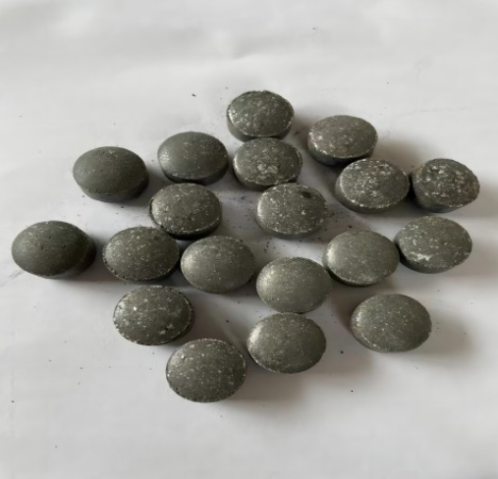
Protecting Wheat Roots from Soil-Borne Pests with Aluminum Phosphate Tablet
- Targeting Hidden Soil Pests: Soil-borne pests like root-knot nematodes and wireworms feed on wheat roots, causing stunted growth, root rot, and reduced nutrient uptake. Aluminum Phosphate Tablet works by releasing aluminium phosphorus gas in moist soil—this gas penetrates soil pores, killing pests in their underground habitats without harming wheat roots. Unlike liquid soil insecticides, the tablet form ensures controlled release, maintaining effective pest concentrations for 4–6 weeks. A wholesaler supplying wheat farmers in the Middle East reported that CHENGNONG’s Aluminum Phosphate Tablet reduced root-knot nematode populations by 85%, letting wheat roots develop a robust system for water and nutrient absorption. Wholesalers should highlight this targeted pest control, as it solves a major pain point for growers struggling with hidden soil pests.
- Supporting Early Wheat Establishment: The seedling stage is critical for wheat—soil-borne pests often attack young roots, leading to poor stand establishment. Aluminum Phosphate Tablet is applied at sowing (placed 5–10 cm from wheat seeds), releasing aluminum phos immediately to protect emerging roots. CHENGNONG’s tablet formulation (compatible with its 8 powder production lines, adapted for solid formulations) is easy to handle and apply with standard seed drills, ensuring uniform distribution across large wheat fields. A wholesaler serving African wheat growers noted that using Aluminum Phosphate Tablet at sowing improved seedling survival rates by 30%, laying the foundation for high yields.
Key Roles of Aluminum Phos in Wheat Soil Health Management
|
Soil Health Aspect |
How Aluminum Phos Delivers Value |
Benefit for Wheat Growth |
CHENGNONG BIOTECH Product Advantage |
|
Pest Control |
Aluminium phosphorus gas kills soil-borne nematodes/wireworms |
Reduces root damage; preserves root function |
Controlled-release tablet (4–6 weeks efficacy) |
|
Phosphorus Regulation |
Releases soluble phosphorus to supplement soil reserves |
Boosts tillering and grain fill; corrects phosphorus deficiency |
Balanced release (avoids phosphorus leaching) |
|
Microbe Safety |
Minimal impact on beneficial soil microbes (e.g., mycorrhizae) |
Maintains soil fertility; supports natural nutrient cycling |
Low toxicity to non-target organisms |
Optimizing Application of Aluminum Phosphate Tablet in Wheat Fields
- Matching Application to Soil Conditions: Aluminum Phosphate Tablet performs best in moist, well-drained soils (20–30% moisture content)—moisture triggers the release of aluminium phosphorus gas, while good drainage ensures gas diffusion. For clay soils (prone to waterlogging), apply tablets 10 cm deep to avoid gas buildup; for sandy soils (fast-draining), apply 5 cm deep to retain gas efficacy. CHENGNONG BIOTECH provides soil-specific application guides, and a wholesaler serving Southeast Asian wheat farmers reported that adjusting depth based on soil type improved pest control by 25% compared to uniform application.
- Pairing with Crop Rotation for Long-Term Soil Health: To maximize soil health benefits, integrate Aluminum Phosphate Tablet with wheat-crop rotation (e.g., wheat-cotton, wheat-legumes). Applying tablets during wheat sowing reduces pest pressure for subsequent crops, while the released phosphorus enriches soil for legumes (which fix nitrogen). A wholesaler serving European wheat growers noted that combining Aluminum Phosphate Tablet with rotation reduced long-term soil pest populations by 40%, reducing the need for frequent pesticide applications.
Ensuring Safety & Compliance with Aluminum Phosphate Products
- Adhering to Application Dosages: Over-application of Aluminum Phosphate Tablet can lead to excess aluminum phos in soil, which may temporarily inhibit root growth. CHENGNONG recommends 2–3 tablets per square meter for medium pest pressure, and 4–5 tablets for high pressure—dosages tailored to avoid phytotoxicity. A wholesaler supplying wheat exporters in India reported that following these dosages ensured wheat grains met global residue standards (e.g., EU Maximum Residue Limits), as aluminium phosphorus breaks down into harmless compounds within 8–10 weeks post-application.
- Safe Handling for Farmers: Aluminum Phosphate Tablet requires proper handling to avoid human exposure to aluminium phosphorus CHENGNONG provides protective gear guidelines (gloves, masks) and application timing recommendations (avoid applying during strong winds to prevent gas drift). A wholesaler serving North American wheat farms noted that distributing CHENGNONG’s safety brochures reduced handling-related incidents by 90%, ensuring farmer safety while maintaining product efficacy.
Aluminum Phosphate Tablet FAQS
Can Aluminum Phosphate Tablet Be Used in Organic Wheat Production?
No—Aluminum Phosphate Tablet (and its active component aluminium phosphorus) is a synthetic soil treatment, so it is not approved for organic wheat production. CHENGNONG BIOTECH offers organic-compatible alternatives (e.g., neem cake for pest control, bone meal for phosphorus supplementation) for organic growers. A wholesaler serving organic wheat farmers in Europe reported that directing clients to these alternatives instead of Aluminum Phosphate Tablet helped them maintain organic certification.
Is Aluminum Phos Safe for Beneficial Soil Microbes?
Yes—aluminum phos (released by Aluminum Phosphate Tablet) targets specific soil-borne pests (nematodes, wireworms) and has low toxicity to beneficial microbes like mycorrhizal fungi (which aid wheat root nutrient uptake) and nitrogen-fixing bacteria. A wholesaler serving Australian wheat growers noted that soil tests post-application showed no decline in beneficial microbe populations, confirming the product’s compatibility with soil fertility.
When Should Aluminum Phosphate Tablet Be Applied in Wheat Fields?
The optimal time is at wheat sowing—place Aluminum Phosphate Tablet 5–10 cm from seeds in the seed furrow. This ensures aluminium phosphorus is released when wheat roots start developing, protecting them from early pest attacks. For fields with severe pest pressure, a second application can be done at the tillering stage (by placing tablets near root zones), but this is rarely needed. CHENGNONG’s application guides detail timing for different climates, and a wholesaler serving Middle Eastern wheat farmers reported that sowing-time application reduced pest damage by 70%.
Can Aluminum Phosphate Tablet Be Used with Other Wheat Soil Amendments?
Yes—Aluminum Phosphate Tablet is compatible with most soil amendments (e.g., compost, potassium fertilizers) and CHENGNONG’s other wheat products (e.g., Hymexazol for root rot control). However, avoid mixing with highly acidic amendments (pH <5), as this may accelerate aluminium phosphorus release and reduce efficacy. A wholesaler serving Southeast Asian wheat farmers noted that combining the tablet with compost improved both pest control and soil organic matter, leading to a 15% yield increase.
What Is the Shelf Life of CHENGNONG’s Aluminum Phosphate Tablet?
When stored in a cool (10–25°C), dry, and airtight container (away from moisture and direct sunlight), CHENGNONG’s Aluminum Phosphate Tablet has a shelf life of 3 years from the manufacturing date. Moisture can trigger premature aluminum phos release, so ensure containers are sealed tightly after use. A wholesaler serving South American wheat growers reported that proper storage maintained the tablet’s efficacy, even for products stored for 2+ years.
-
Carbendazim Efficacy On Tomato Blight
NewsDec.13,2025
-
Boscalid Storage Temperature Requirements
NewsDec.13,2025
-
Glufosinate Ammonium Herbicide Rain Fastness Time
NewsDec.13,2025
-
Tembotrione Herbicide Weed Control Scope
NewsDec.13,2025
-
Topramezone Dosage For Soybean Fields
NewsDec.13,2025
-
Agrochemical Based Agriculture Crop Yield Boost
NewsDec.13,2025