
- sales@chengnongagro.com
- Mon - Sat at 7:00AM to 9:00AM

Nov . 28, 2025 15:53 Back to list
Boscalid Pyraclostrobin for Vegetable Crop Health
Vegetable crops—from tomatoes and cucumbers to peppers and lettuce—are highly susceptible to fungal diseases that can destroy entire harvests. Diseases like powdery mildew, gray mold, and leaf spot thrive in the warm, humid conditions ideal for vegetable growth, making reliable disease control essential for farmers. Boscalid Pyraclostrobin, a powerful fungicide blend combining boscalid (a carboxamide fungicide) and pyraclostrobin (a strobilurin fungicide), has become a cornerstone of vegetable crop health management. This blend delivers dual-mode protection, while standalone boscalid fungicide offers targeted control for specific diseases—both are designed to keep vegetables healthy, productive, and market-ready. HEBEI CHENGNONG BIOTECH CO.,LTD, a leading integrated agrochemical provider (with a 40,000-square-meter factory, 20 production lines, and 12,000 KLT annual capacity), supplies high-quality boscalid fungicide and Boscalid Pyraclostrobin blends alongside its core fungicides (e.g., Difenoconazole, Azoxystrobin) to wholesalers serving global vegetable-growing regions. For wholesalers, partnering with CHENGNONG BIOTECH means accessing crop-tailored fungicides—backed by R&D expertise, strict quality control, and a track record of delivering reliable products to markets in Southeast Asia, Africa, and beyond.
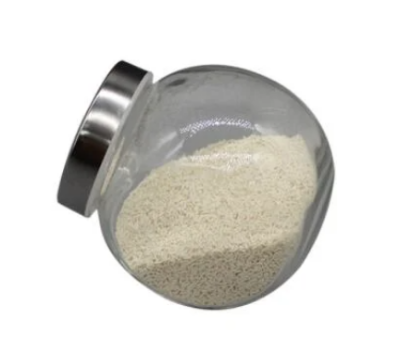
Protecting Vegetables from Fungal Diseases with Boscalid Pyraclostrobin
- Targeting Multiple Diseases with Dual Action: Boscalid Pyraclostrobin works by attacking fungi in two ways: boscalid inhibits fungal respiration by blocking succinate dehydrogenase, while pyraclostrobin disrupts energy production by inhibiting cytochrome bc1. This dual mode makes it effective against a wide range of common vegetable diseases—powdery mildew on cucumbers, gray mold on tomatoes, leaf spot on peppers, and downy mildew on lettuce. A wholesaler supplying greenhouse vegetable growers in the Middle East reported that CHENGNONG’s Boscalid Pyraclostrobin reduced disease incidence by 85%, cutting crop losses from 40% to less than 10%. Wholesalers should highlight this broad-spectrum protection, as it simplifies disease management for farmers growing multiple vegetable crops.
- Preventing Disease Spread in High-Density Crops: Vegetable fields and greenhouses are often planted densely, creating ideal conditions for disease spread. Boscalid Pyraclostrobin provides both protective and curative action—applied preventively, it forms a barrier on leaf surfaces to stop infection; applied early post-infection, it halts fungal growth and spore production. CHENGNONG’s liquid-form Boscalid Pyraclostrobin (compatible with its 12 liquid production lines) mixes easily with water and adheres well to leaf surfaces, ensuring uniform coverage even in dense crops like lettuce or spinach. A wholesaler serving African open-field vegetable farmers noted that timely applications of Boscalid Pyraclostrobin stopped gray mold outbreaks from spreading to healthy tomato plants, preserving 90% of the crop.
Key Applications of Boscalid Fungicide in Specific Vegetable Crops
|
Vegetable Crop |
Target Disease |
Role of Boscalid Fungicide |
Advantage of Boscalid Pyraclostrobin Blend |
CHENGNONG BIOTECH Product Fit |
|
Tomatoes |
Gray Mold (Botrytis) |
Stops spore germination; prevents fruit rot |
Adds protection against early blight (via pyraclostrobin) |
Boscalid Fungicide, Boscalid Pyraclostrobin |
|
Cucumbers |
Powdery Mildew |
Inhibits fungal growth on leaves; preserves photosynthesis |
Adds control for downy mildew (via pyraclostrobin) |
Boscalid Fungicide, Boscalid Pyraclostrobin |
|
Peppers |
Leaf Spot (Alternaria) |
Reduces lesion size; stops spore spread |
Adds protection against anthracnose (via pyraclostrobin) |
Boscalid Fungicide, Boscalid Pyraclostrobin |
Optimizing Efficacy of Boscalid Pyraclostrobin for Vegetable Crops
- Following Timely Application Schedules: Boscalid Pyraclostrobin works best when applied before disease symptoms appear or at the first sign of infection. For greenhouse tomatoes, this means applying every 7–10 days during flowering (when gray mold risk is highest); for open-field cucumbers, apply every 10–14 days during humid weather (to prevent powdery mildew). CHENGNONG BIOTECH provides crop-specific application guides, and a wholesaler serving Southeast Asian cucumber growers reported that following these schedules improved disease control by 30% compared to reactive applications.
- Pairing with Adjuvants for Better Coverage: To maximize adhesion and penetration, boscalid fungicide and Boscalid Pyraclostrobin should be mixed with non-ionic surfactants (NIS) or spreader-stickers—especially for waxy-leaf vegetables like peppers or cabbage. These adjuvants help the fungicide coat leaf surfaces evenly, reducing runoff and ensuring it reaches fungal spores in leaf crevices. A wholesaler serving European lettuce growers noted that adding an adjuvant to CHENGNONG’s Boscalid Pyraclostrobin improved coverage on lettuce leaves, cutting downy mildew incidence by 25%.
Ensuring Safety & Residue Compliance with Boscalid Products
- Meeting Global Food Safety Standards: Vegetables are often consumed fresh, so fungicide residues must meet strict global standards (e.g., EU Maximum Residue Limits, US EPA tolerances). Boscalid fungicide and Boscalid Pyraclostrobin from CHENGNONG BIOTECH have short pre-harvest intervals (PHIs)—3–7 days for most vegetables—which means farmers can apply them close to harvest without exceeding residue limits. A wholesaler supplying vegetable exporters in India reported that using CHENGNONG’s boscalid products helped clients pass EU residue tests, opening up export markets for fresh tomatoes and peppers.
- Protecting Beneficial Organisms: Unlike broad-spectrum fungicides, Boscalid Pyraclostrobin has low toxicity to beneficial insects (e.g., bees, ladybugs) and pollinators—critical for vegetable crops that rely on pollination (e.g., tomatoes, peppers). CHENGNONG recommends applying Boscalid Pyraclostrobin during early morning or late evening (when bees are less active) to further minimize exposure. A wholesaler serving North American organic-transition vegetable farms noted that boscalid products from CHENGNONG preserved beneficial insect populations, supporting natural pest control alongside disease management.
Boscalid FAQS
Can Boscalid Pyraclostrobin Be Used on Organic Vegetable Crops?
No—Boscalid Pyraclostrobin (and standalone boscalid fungicide) are synthetic fungicides, so they are not approved for organic vegetable production. CHENGNONG BIOTECH offers organic-compatible alternatives (e.g., copper-based fungicides) for organic growers. A wholesaler serving organic vegetable farmers in Europe reported that directing clients to copper fungicides instead of boscalid products helped them maintain organic certification.
Is Boscalid Fungicide Safe for Greenhouse Vegetable Production?
Yes—boscalid fungicide is ideal for greenhouses, as it is stable under controlled temperature and humidity conditions and does not volatilize to damage nearby crops. CHENGNONG’s Boscalid Pyraclostrobin is especially popular for greenhouse tomatoes and cucumbers, where disease pressure is high. A wholesaler supplying Middle Eastern greenhouse growers noted that boscalid products from CHENGNONG controlled gray mold in tomato greenhouses without harming the crop or workers.
How Often Can I Apply Boscalid Pyraclostrobin to Vegetable Crops?
Application frequency depends on the crop and disease pressure: For high-risk diseases (e.g., gray mold on tomatoes), apply Boscalid Pyraclostrobin every 7–10 days for 2–3 applications; for lower-risk diseases (e.g., powdery mildew on lettuce), apply every 10–14 days for 1–2 applications. To prevent resistance, do not apply more than 4 times per growing season. CHENGNONG’s product labels include detailed guidelines, and a wholesaler serving African pepper growers reported that following these limits prevented fungicide resistance and maintained efficacy.
Can Boscalid Fungicide Be Tank-Mixed with Other Vegetable Crop Protectants?
Yes—boscalid fungicide is compatible with most insecticides and herbicides used on vegetables (e.g., CHENGNONG’s Imidacloprid for aphid control, Glyphosate for weed control). However, avoid tank-mixing with highly alkaline products (e.g., lime sulfur), as they can break down boscalid. A wholesaler serving Southeast Asian cucumber growers noted that tank-mixing CHENGNONG’s boscalid with Imidacloprid saved application time and labor, while controlling both diseases and pests.
What Is the Shelf Life of CHENGNONG’s Boscalid Products?
When stored in a cool (10–25°C), dry, and dark place (away from direct sunlight and moisture), CHENGNONG’s boscalid fungicide and Boscalid Pyraclostrobin have a shelf life of 2–3 years. Proper storage ensures the active ingredients remain stable and effective. A wholesaler serving South American vegetable farmers reported that stocking CHENGNONG’s boscalid products with long shelf life reduced waste and ensured consistent supply for peak growing seasons.
-
Carbendazim Efficacy On Tomato Blight
NewsDec.13,2025
-
Boscalid Storage Temperature Requirements
NewsDec.13,2025
-
Glufosinate Ammonium Herbicide Rain Fastness Time
NewsDec.13,2025
-
Tembotrione Herbicide Weed Control Scope
NewsDec.13,2025
-
Topramezone Dosage For Soybean Fields
NewsDec.13,2025
-
Agrochemical Based Agriculture Crop Yield Boost
NewsDec.13,2025